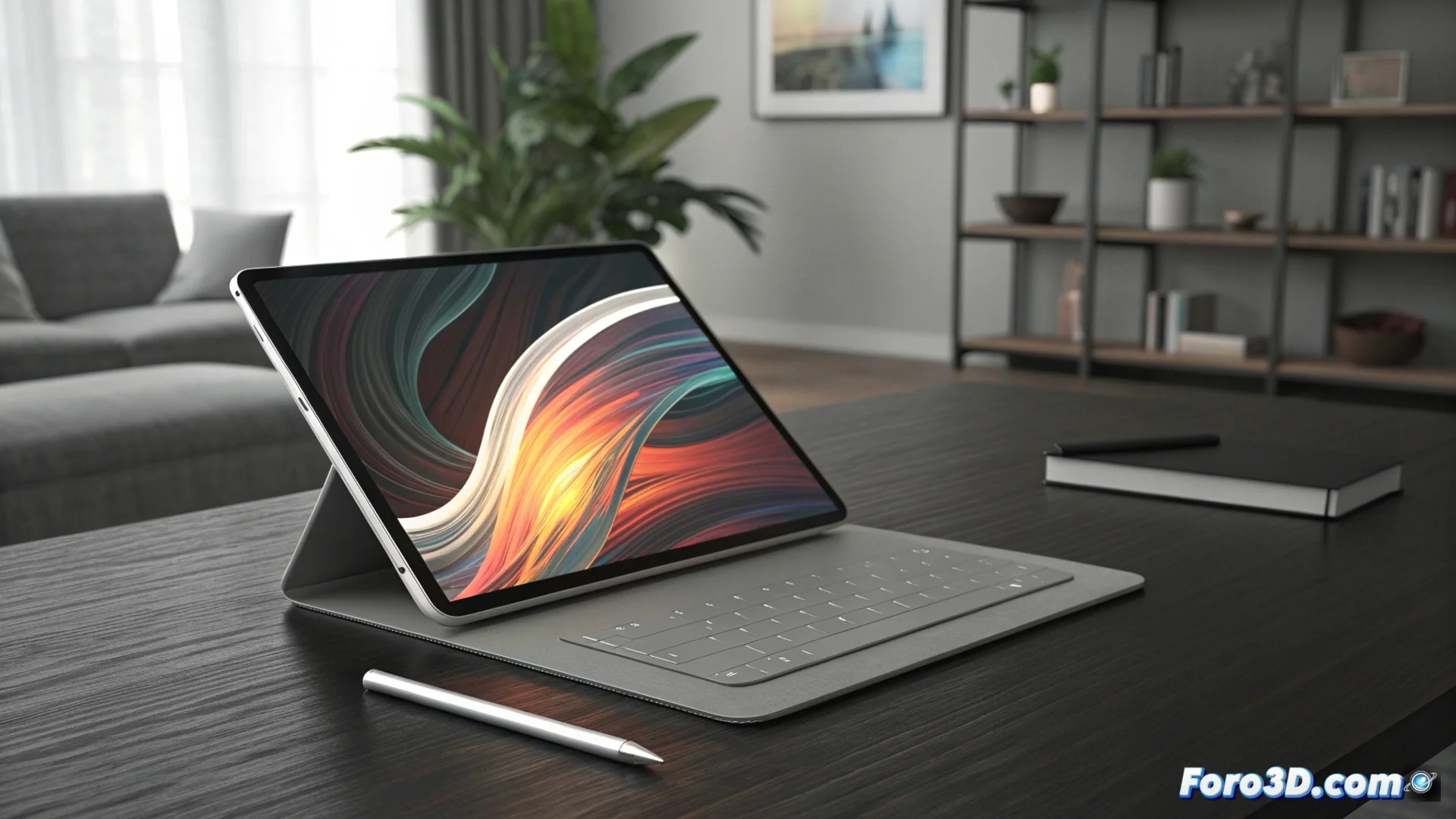
The OnePlus Pad 3 Offers Powerful Performance for Multitasking
OnePlus launches its new high-performance tablet, the OnePlus Pad 3, which positions itself directly in the high-end segment of the Android market. This device integrates powerful hardware designed for users who need to run demanding tasks without interruptions, from productivity to multimedia entertainment and gaming. 🚀
A Screen Designed for Speed and Detail
The center of the experience is its 11.61-inch LCD IPS screen. With a sharp resolution of 2800x2000 pixels, the panel stands out for its adaptive 144 Hz refresh rate. This technology not only makes navigating the interface and scrolling through apps feel more agile, but also adjusts the frequency to save energy. A maximum brightness of 900 nits ensures visibility even in very brightly lit interiors.
Key screen features:- Size and resolution: 11.61" panel with 2800x2000 pixels for detailed images.
- Extreme smoothness: 144 Hz refresh rate for fluid interaction and gaming.
- High brightness: Up to 900 nits for using the tablet in various lighting conditions.
The combination of high resolution and 144 Hz sets a new standard for visual smoothness in Android tablets.
The Heart of Performance: Snapdragon 8 Gen 3
To handle all that visual power, the tablet is equipped with the Qualcomm Snapdragon 8 Gen 3 chipset, accompanied by a generous 12 GB RAM. This configuration is optimized to handle multiple background applications, edit content, and run graphically intensive games without performance drops.
Performance and software specifications:- Processor: Snapdragon 8 Gen 3, Qualcomm's latest for premium devices.
- Memory: 12 GB RAM for advanced multitasking and instant app switching.
- Operating system: OxygenOS, based on Android 14, with specific features to optimize use on large screens.
Battery Life and the Paradox of Power
A 9510 mAh battery powers the system, promising to last a full day of use. It supports 67W fast charging, which significantly reduces the time the device spends plugged in. However, its real battery life directly depends on how you use its most powerful capabilities, such as keeping the screen at 144 Hz or maximum brightness. It's the classic balance: the more powerful features it offers, the more incentives there are to consume its energy. 🔋