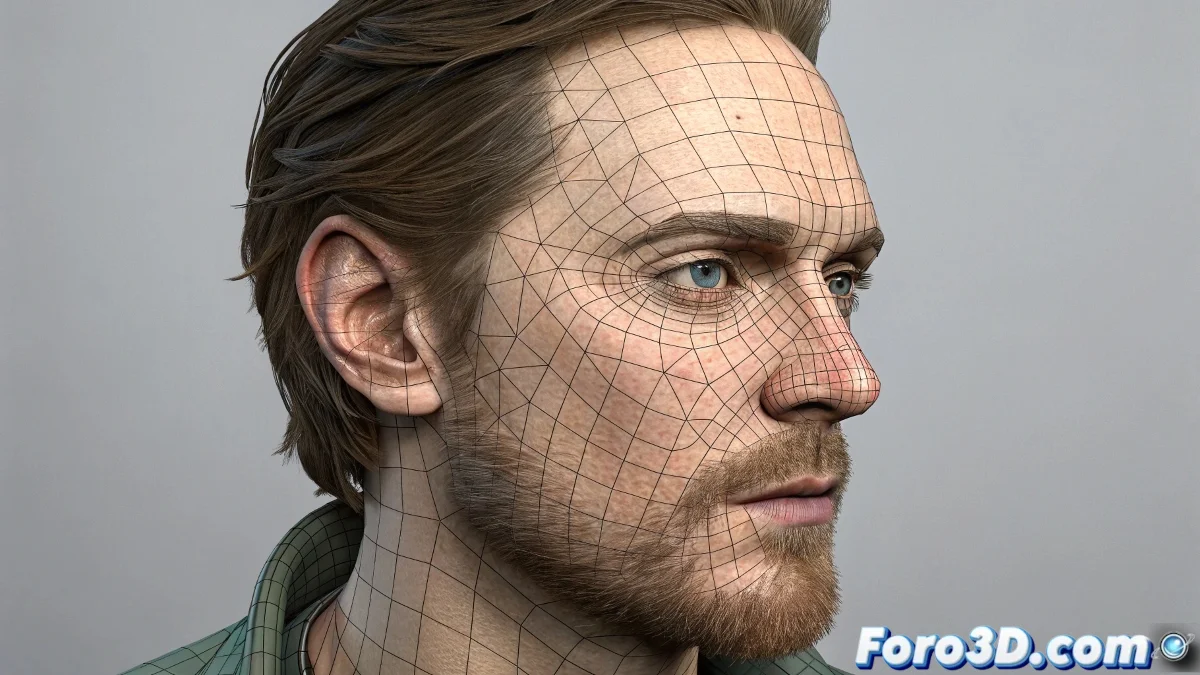
When Pixels Need a Union 🎭🎮
After 11 months of tension, the SAG-AFTRA agreement has given voice actors something that 3D models already had: protection against unauthorized use. This resolution not only affects recordings but redefines how digital characters will be created in the future. Because, let's be honest, if your avatar in the game is going to imitate you, at least they should pay you for it.
What began as a dispute over voices ends up transforming how we capture, model, and animate the human in the digital.
The 3D Side of the Agreement
The key clauses directly affect:
- Facial motion capture and use of biometric data
- Creation of blendshapes based on real performances
- Procedural generation of vocal animations
Now studios will need as many permissions to digitally clone an expression as to record a voice. 😮
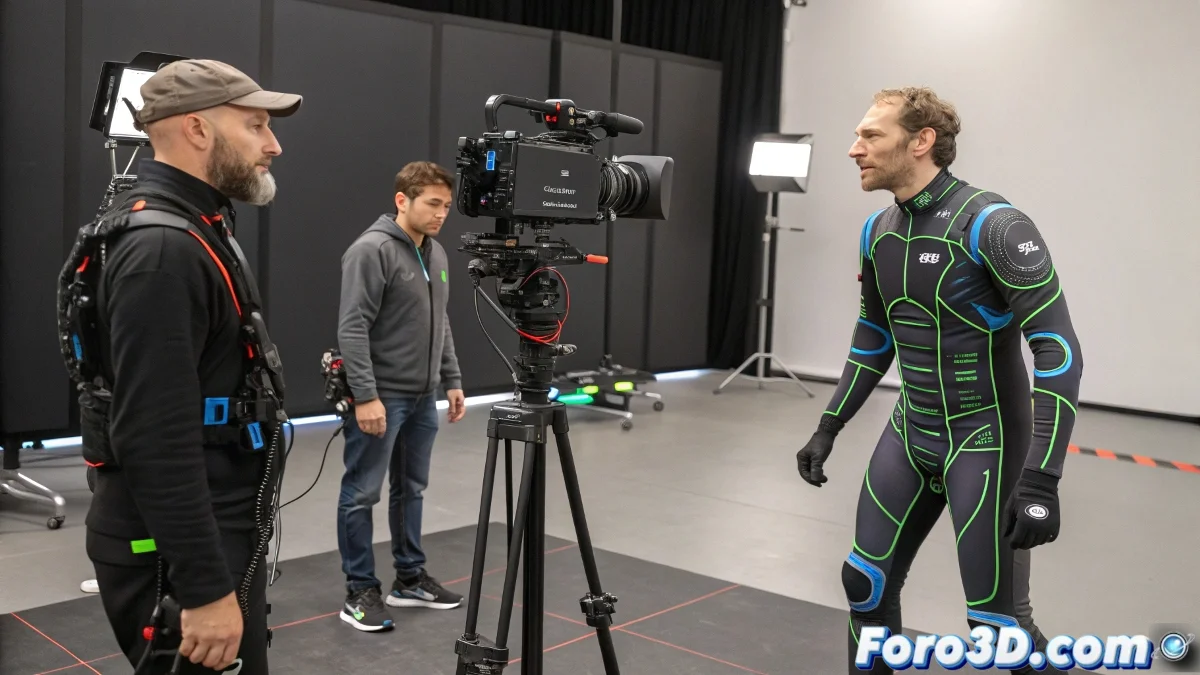
New Rules for Old Techniques
The 3D modeling workflow will have to adapt to:
- Specific contracts for the use of capture data
- Clear limits on the reuse of performances
- Transparency in AI-assisted processes
Rigging artists will have to document as much as they animate. Welcome to the era of digital paperwork!
Opportunities in the New Normal
This agreement opens doors for:
- New specialists in 3D data ethics
- Hybrid techniques that combine AI and manual animation
- Universal standards for facial assets
The good news? Less "uncanny valley" and more transparency in how those digital faces we love so much are created.
The Future of Digital Performance
As Duncan Crabtree-Ireland said: "This agreement protects humans while embracing technology". For 3D artists, this means:
- More real collaboration with actors
- Fewer ethically questionable shortcuts
- Better tools to capture the human essence
Now, when you see an incredible facial animation in a game, you'll know that behind it there's both artistic talent and labor protection. And if the character seems especially authentic... probably an actor received their fair pay for it.
By the way, if anyone finds the "EULA for facial expressions," share it... our 3D characters need to sign their contract. ✍️