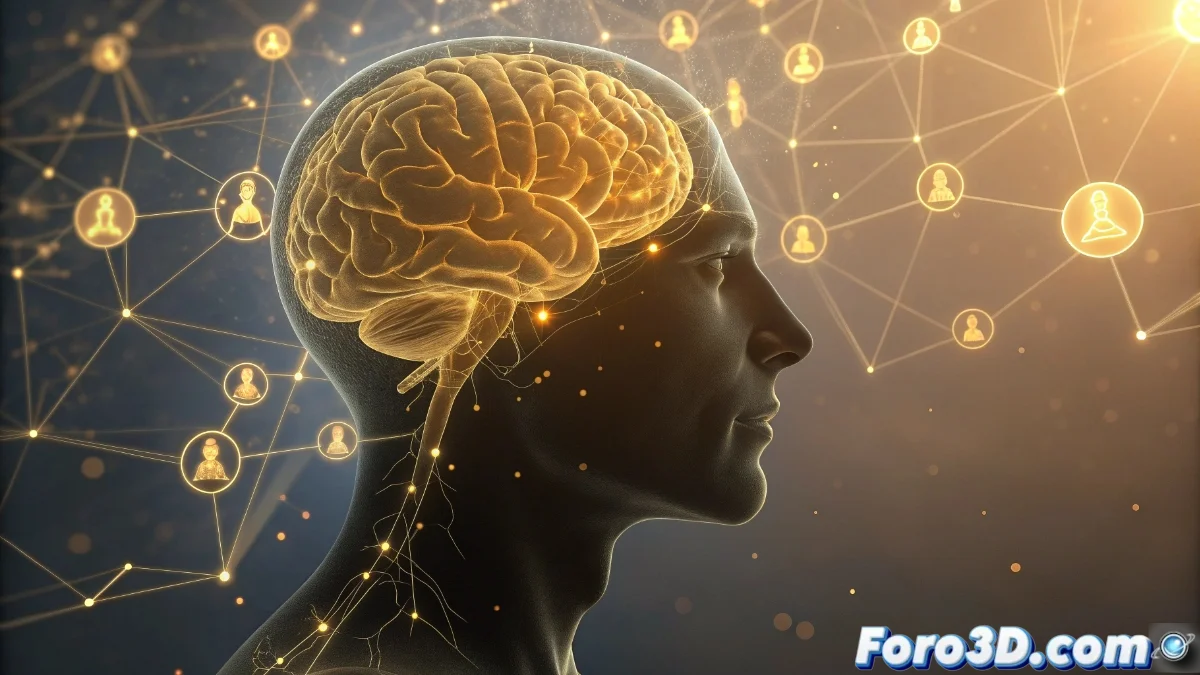
The Neuroscience of Gratitude: How Thankfulness Transforms Our Brain
Far from being just an abstract feeling, gratitude constitutes a complex neurobiological phenomenon with tangible effects on our brain structure. When we experience genuine thankfulness, a chemical cascade is triggered that profoundly modifies our physical and mental state 🧠.
Brain Mechanisms of Gratitude
Research with functional neuroimaging has revealed that expressing gratitude simultaneously activates multiple brain regions. The medial prefrontal cortex lights up during these processes, facilitating empathy and understanding of others' intentions. Parallely, the mesolimbic reward system releases pleasurable neurotransmitters that create a positive feedback loop 💫.
Implicated Neural Circuits:- Nucleus accumbens: Responds to gratitude similarly to basic pleasurable stimuli
- Temporoparietal junction: Facilitates recognition of positive intentionality in others
- Prefrontal cortex: Coordinates the emotional and cognitive response during gratitude experiences
Consistent practice of gratitude can literally reconfigure our neural connections toward more resilient and adaptive patterns
Demonstrated Physiological Impact
The benefits of gratitude transcend the psychological to manifest in concrete biological markers. Controlled studies show that those who practice regular gratitude exhibit significant improvements in multiple health parameters, even when variables like diet and physical exercise are controlled 🩺.
Documented Physiological Evidence:- Cortisol reduction: Sustained decrease in this stress hormone
- Inflammatory markers: Decrease in C-reactive protein and other inflammation indicators
- Immune function: Improvement in the immune system response
- Heart rate variability: Increase indicating greater autonomic nervous system balance
The Modern Paradox of Well-Being
It is fascinating how contemporary science validates ancestral wisdoms: complain less and give thanks more produces measurable biological changes. However, the search persists for pharmacological solutions that reproduce these effects without the mental effort required to transform our thought patterns 💊.