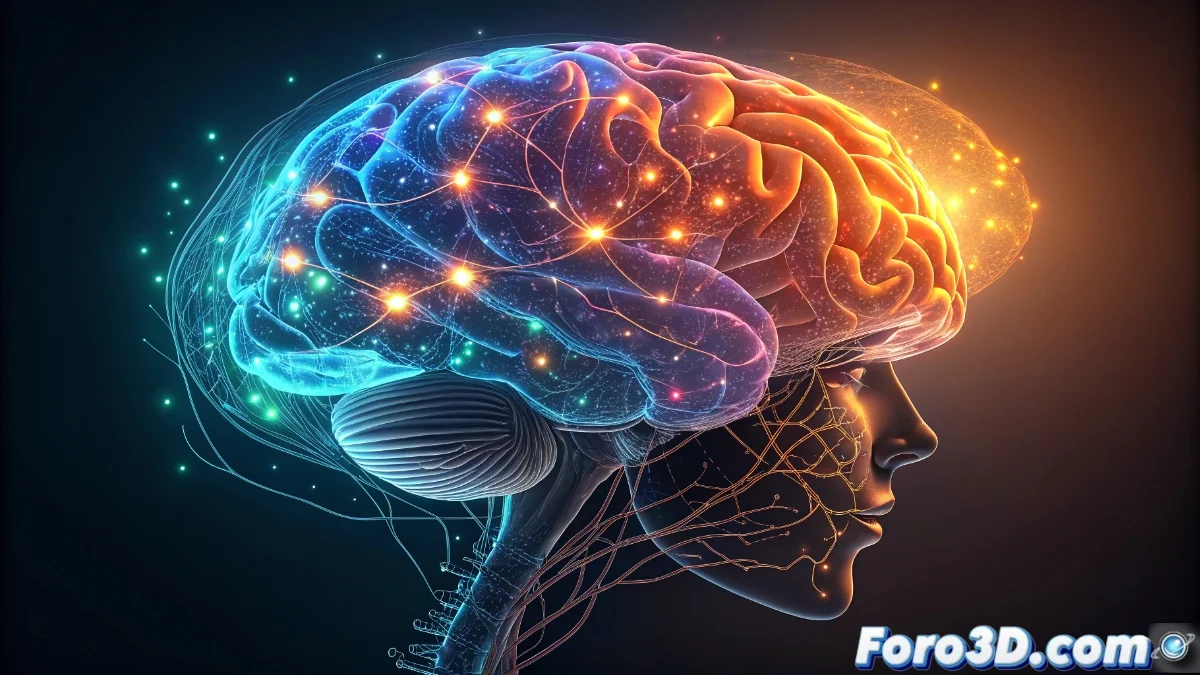
The Neuroscience Behind Partisan Loyalty and Resistance to Change
Our brain is evolutionarily designed to value group belonging and identification with ideologies, integrating emotions and values through areas like the amygdala and the prefrontal cortex. This connection makes partisan loyalty feel like an essential part of our personal identity. 🧠
The Internal Conflict When Changing Political Affiliation
When someone considers changing parties, they experience cognitive dissonance, a state of emotional discomfort that arises from contradicting deep-seated beliefs. The brain interprets this change as a threat to identity, triggering stress responses similar to those of a social conflict, even when maintaining loyalty may be detrimental to personal or family interests.
Key Brain Mechanisms in Partisan Loyalty:- The amygdala processes emotions linked to group belonging, reinforcing affective bonds
- The prefrontal cortex rationalizes and justifies these connections, integrating values and reasoning
- The combined system creates an emotional barrier that makes abandoning the affiliation difficult, prioritizing internal coherence
Partisan loyalty can be so intense that it leads to prioritizing group identity over the well-being of our loved ones, demonstrating the powerful brain programming of belonging.
Consequences of Resistance to Ideological Change
This brain protection mechanism can lead to paradoxical situations, where accepting the negative consequences of flawed policies is preferred over admitting an error in beliefs. Group identity becomes a central element that can override even the instinct to protect the family.
Factors That Reinforce This Dynamic:- Cognitive dissonance acts as an emotional brake on change
- Reward circuits in the brain associated with group belonging
- Identity integration that makes the party an extension of the self
Implications of Brain Programming in Politics
Understanding these neurobiological mechanisms helps explain why partisan loyalties are so difficult to change, even in the face of contrary evidence. Neuroscience reveals that it is not simply stubbornness, but a deep brain programming that equates group belonging with social survival. 💡