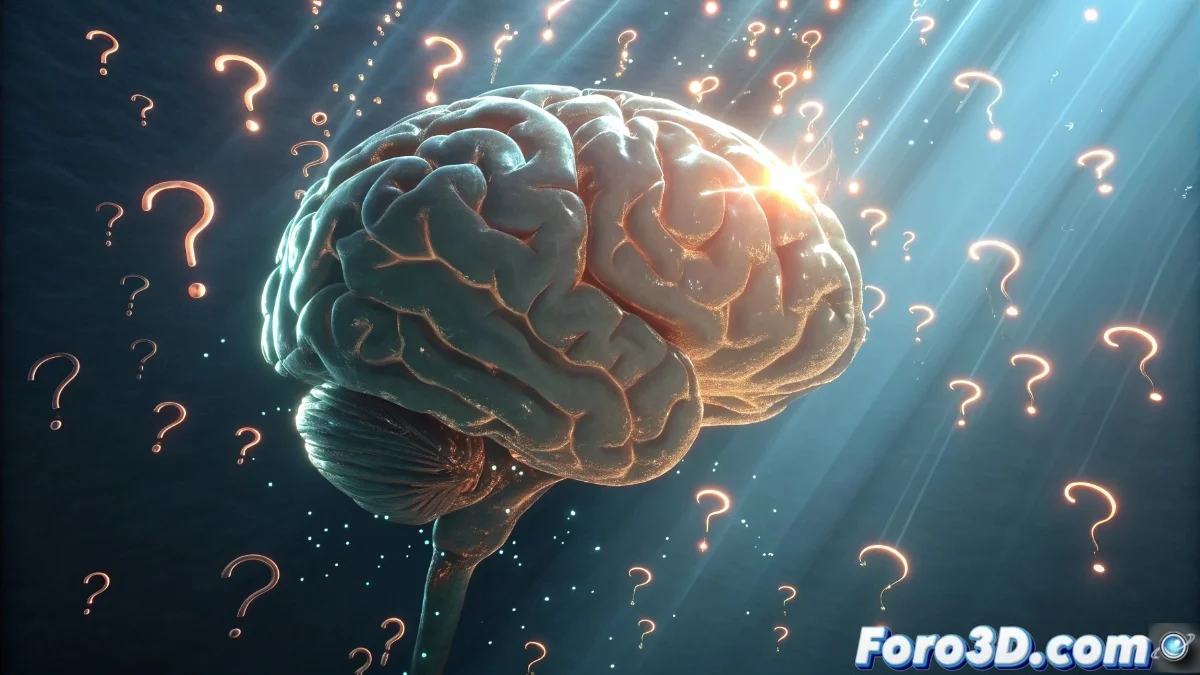
The Neuroscience Behind Human Curiosity
Curiosity constitutes one of the most essential biological mechanisms that direct our exploratory behavior and learning capacity. This innate drive is deeply rooted in our brain structure, generating neurochemical responses that reinforce the continuous pursuit of knowledge 🔍.
Neurological Foundations of Exploration
Through neuroimaging techniques such as functional magnetic resonance imaging, it has been demonstrated that states of curiosity specifically activate the striatum and circuits related to the reward system. The brain processes the anticipation of novel information as if it were a tangible gratification, similar to responses to primary stimuli like food.
Key Features of Brain Activation:- Release of dopamine in the reward system when discovering new information
- Intense activation in regions like the striatum during states of curiosity
- Brain processing of potential knowledge as tangible reward
Curiosity is not just a mental state, but a neurobiological mechanism that drives us toward exploration and continuous discovery.
Adaptive Advantages in Evolution
From an evolutionary perspective, individuals with greater curiosity had significant advantages for survival. This trait allowed identifying essential resources, avoiding threats, and developing tools that improved quality of life 🧬.
Evolutionary Benefits of Curiosity:- Early detection of resources and dangers in the environment
- Development of tools and technologies for survival
- Consolidation of exploratory behaviors in the human repertoire
Curiosity in the Contemporary World
Today, this ancestral mechanism continues to drive innovation in fields such as technology, science, and artistic expressions. Reading this article itself represents an example of how human curiosity constantly seeks to satisfy itself with new knowledge, establishing a perpetual cycle of discovery and learning 🌟.