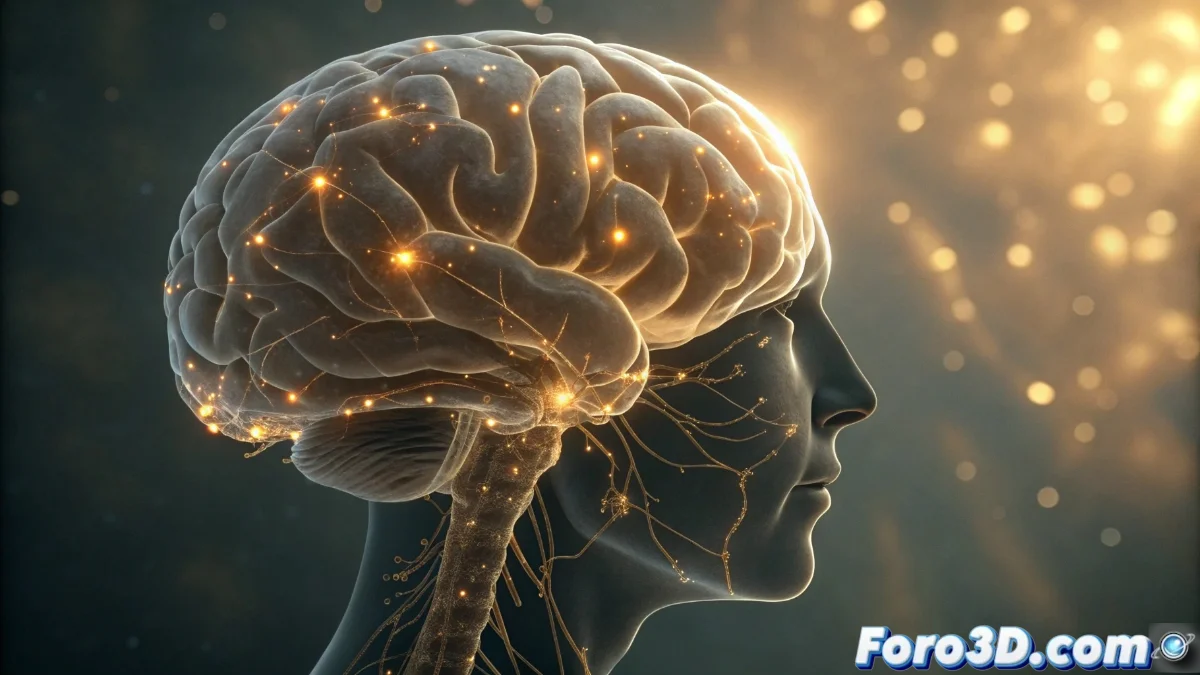
The Neuroscience Behind Human Compassion
Our brain houses sophisticated mechanisms that make it possible to experience compassion toward others. Mirror neurons constitute one of the most fascinating components of this process, allowing us to emotionally connect with others' experiences 🧠.
Neural Bases of Emotional Connection
When you witness another person's suffering, your nervous system replicates similar activation patterns to those you would have if you were experiencing that situation directly. This neural synchronization generates an immediate understanding of others' emotional states and awakens an automatic caregiving response.
Essential Neurochemical Components:- Release of oxytocin that strengthens social bonds and promotes supportive behaviors
- Reduction of activity in the brain amygdala that decreases defensive responses
- Activation of the reward circuit that makes compassionate acts gratifying
Compassion represents a biological bridge between individuals, a brain mechanism that allows us to feel with the other and not simply for the other.
Evolutionary Origins of the Compassionate Response
This emotional capacity emerged as a crucial adaptive advantage for social species like humans. It fosters group cooperation, offspring care, and mutual support in the face of challenges, significantly increasing collective survival probabilities 🌍.
Levels of Compassionate Manifestation:- Compassion toward vulnerable individuals that awaken our protective instinct
- Empathic response toward our peers in difficult situations
- Self-compassion as an expression of care toward ourselves
Paradoxes of the Contemporary Compassionate Response
This refined brain mechanism explains why we can feel greater shock at a video of an abandoned little animal than at a direct family request for help. Our emotional system responds to specific stimuli that more intensely activate our compassion circuits 💫.