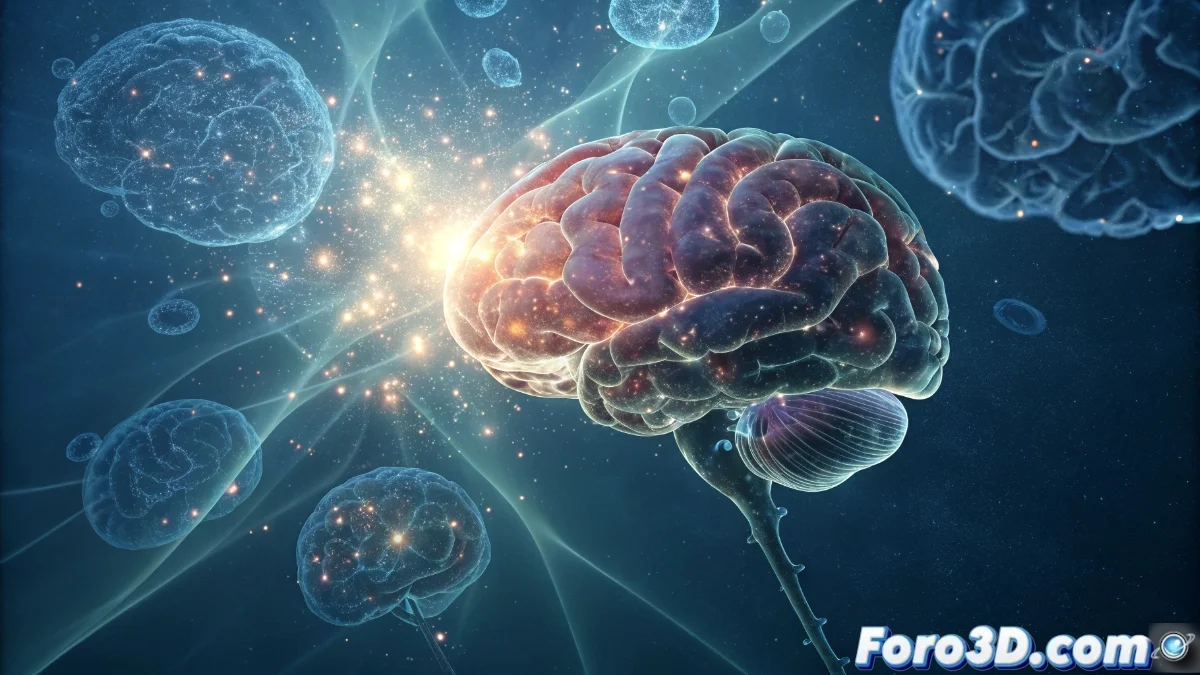
The Neuroscience Behind Creative Inspiration
Inspiration is not a magical event, but the result of a sophisticated neuronal orchestration that mobilizes multiple brain regions. When you experience that creative spark, your brain synchronizes the default mode network—responsible for daydreaming—with the executive control network, which structures and prioritizes ideas. This collaboration generates unprecedented associations between distant concepts, producing the spark we identify as genuine inspiration 🧠.
The Role of Emotions in the Creative Process
Positive emotions such as joy or curiosity expand your cognitive capacity, allowing you to identify hidden patterns and original solutions. Studies in cognitive psychology confirm that these states increase mental flexibility, dissolving internal barriers and linking memories with current challenges. This emotional openness constitutes the ideal breeding ground for the eureka moments that define authentic inspiration 💡.
Key Emotional Mechanisms:- Joy enhances the association of remote ideas
- Curiosity activates the exploration of novel alternatives
- Serenity facilitates the integration of past experiences
Inspiration arises when the brain operates free of self-imposed restrictions, fusing the known with the imagined.
Environmental Factors that Enhance Inspiration
Your physical and social environment directly modulates your predisposition to inspiration. Spaces with balanced stimuli—such as natural settings or harmonious designs—promote the flow state where creativity emerges. Exposure to artistic works or others' ideas activates mirror neurons, preparing your mind to generate original proposals. Paradoxically, moments of conscious carefree—such as leisure or distraction—are extraordinarily fertile, as they free the subconscious from the rigidity of deliberate focus 🌿.
Environmental Catalysts:- Natural environments stimulate the generation of analogies
- Contemplation of others' art awakens personal associations
- Moments of distraction allow subconscious processing
The Temporal Paradox of Inspiration
Inspiration usually manifests in intervals of voluntary disconnection, such as while sleeping or taking a shower, evidencing that the brain prefers to operate without constant supervision. These periods of apparent inactivity mask intense subconscious activity, where concepts are reorganized and innovative connections are forged. The key lies in trusting automatic mental processes, allowing emergent creativity to flourish when least expected ⏳.