The Neurochemistry Behind Joy
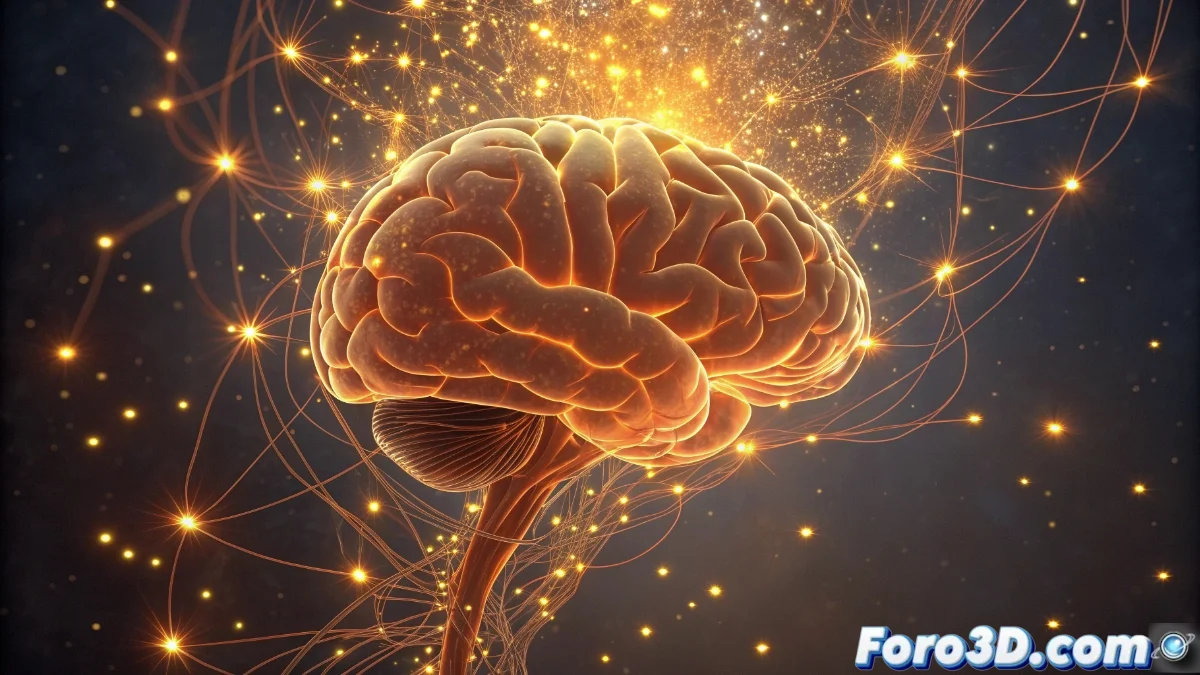
The experience of joy represents one of the most fascinating phenomena in contemporary neuroscience, where multiple brain regions and neurotransmitters collaborate in a perfectly orchestrated chemical symphony. When we live pleasurable moments, our limbic system activates, triggering the release of substances like dopamine, serotonin, and endorphins that produce sensations of well-being and euphoria. 🧠
Fundamental Neurochemical Mechanisms
These natural chemical messengers function as essential mediators in neuronal communication, establishing reward circuits that reinforce behaviors and thoughts linked to happiness. Dopamine is released in response to gratifying experiences and drives us to repeat actions that generate pleasure, while serotonin modulates our overall mood and anxiety levels. Endorphins, recognized as natural painkillers, are generated during physical activity, laughter, and controlled stress situations, producing a sense of well-being comparable to morphine but completely organic.
Key Components of the Reward System:- Nucleus Accumbens: Brain center that processes motivation and pleasure
- Prefrontal Cortex: Region responsible for planning and decision-making
- Cerebral Amygdala: Area specialized in emotional processing
Our happiest moments essentially constitute a perfectly balanced neurochemical cocktail that makes us value every new day.
Modulating Factors of Mood
Beyond basic brain chemistry, elements such as genetic predisposition, social environment, and our cognitive patterns play determining roles in regulating joyful mood. Individuals with specific genetic variations may show a greater tendency to experience happiness, while our social context and positive interpersonal relationships stimulate the production of oxytocin, known as the affection bonding hormone.
Strategies to Optimize Positive Neurochemistry:- Regular Exercise: Activates the natural production of endorphins
- Balanced Diet: Provides essential nutrients for neurotransmitter synthesis
- Mindfulness Practices: Promote neurochemical balance and emotional regulation
Neurobiological Integration of Happiness
It is particularly interesting how something as sublime as joy depends on such material processes as brain chemistry, transforming our most gratifying experiences into a complex, meticulously calibrated exchange of neurotransmitters. This understanding allows us to appreciate the fundamental interconnection between our biology and our highest emotions, revealing that sustainable well-being emerges from the harmony between multiple brain systems working in concert. 🌟