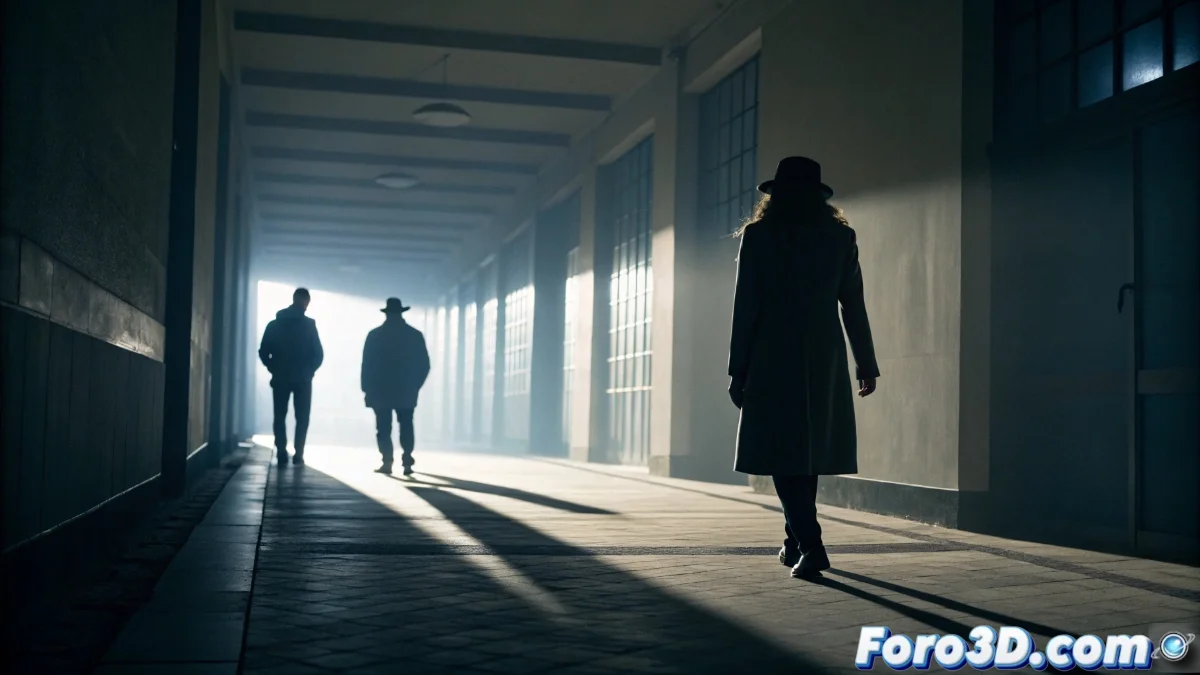
The Narrative Power of Shadows in Digital Art
In contemporary digital art, shadows have evolved from mere technical effects to becoming fundamental narrative elements. They not only define the lighting of a scene but also act as expressive resources capable of conveying complex emotions, hiding crucial information, or intensifying dramatic moments. Creators use shadows to direct the audience's attention toward essential components, building a meaning-laden atmosphere that goes beyond the obvious. This approach turns lighting into a silent character that constantly dialogues with the story, adding layers of visual and psychological depth to each creation. 🎨
Concealment and Revelation Strategies Through Shadows
Shadows allow for the calculated manipulation of visual information, generating intrigue and anticipation in the viewer. By projecting dark areas over specific elements, the artist exerts control over what is visible and what is suggested, encouraging the spectator's imagination to fill in the gaps. This veiling technique is particularly effective in genres like psychological suspense or horror, where the implied can be more impactful than the explicitly shown. For example, an elongated shadow that seems to emerge from outside the frame can indicate an invisible threat, increasing the narrative tension without directly showing the threatening element.
Practical Applications of Narrative Shadows:- Creation of mystery zones through shadows that partially cover faces or important objects
- Use of dynamic shadows to suggest movement or presence off-screen
- Implementation of shadow patterns that symbolize emotional states or internal conflicts
The shadow is not simply the absence of light, but a visual language that speaks directly to the viewer's subconscious.
Dramatic Enhancement Through Contrast and Silhouettes
The play between light and darkness forms the basis for dramatizing any visual composition, generating silhouettes that accentuate the form and dynamism of characters. Well-defined shadows emphasize intense emotions and narrative conflicts, adding an almost theatrical component that magnifies the intensity of the represented moment. In media like digital animation and video games, this resource is used to mark crucial plot points, such as a character facing their destiny under dim lighting that projects their shadow in an epic manner. The proper application of cinematic shadows ensures that every image conveys the emotional weight planned by the creator.
Key Elements of Dramatic Contrast:- Use of hard shadows for moments of high emotional tension
- Creation of recognizable silhouettes that facilitate instant visual identification
- Implementation of shadow gradients for subtle emotional transitions
The Unpredictable Side of Digital Shadows
At times, shadows in the digital environment seem to develop a will of their own, appearing in unexpected places that can completely alter the original narrative intention. It is common during the rendering process for a rogue shadow to project exactly where it is not desired, such as over the protagonist's face, transforming an epic drama into an unintentional comedic situation. These lighting accidents represent the price of exploring the limits of darkness in the digital realm, reminding us that even the most controlled tools retain an element of unpredictability. However, these creative errors often open doors to innovative narrative approaches that enrich the visual language. ✨