The Word for World is Forest: a critique by Ursula K. Le Guin
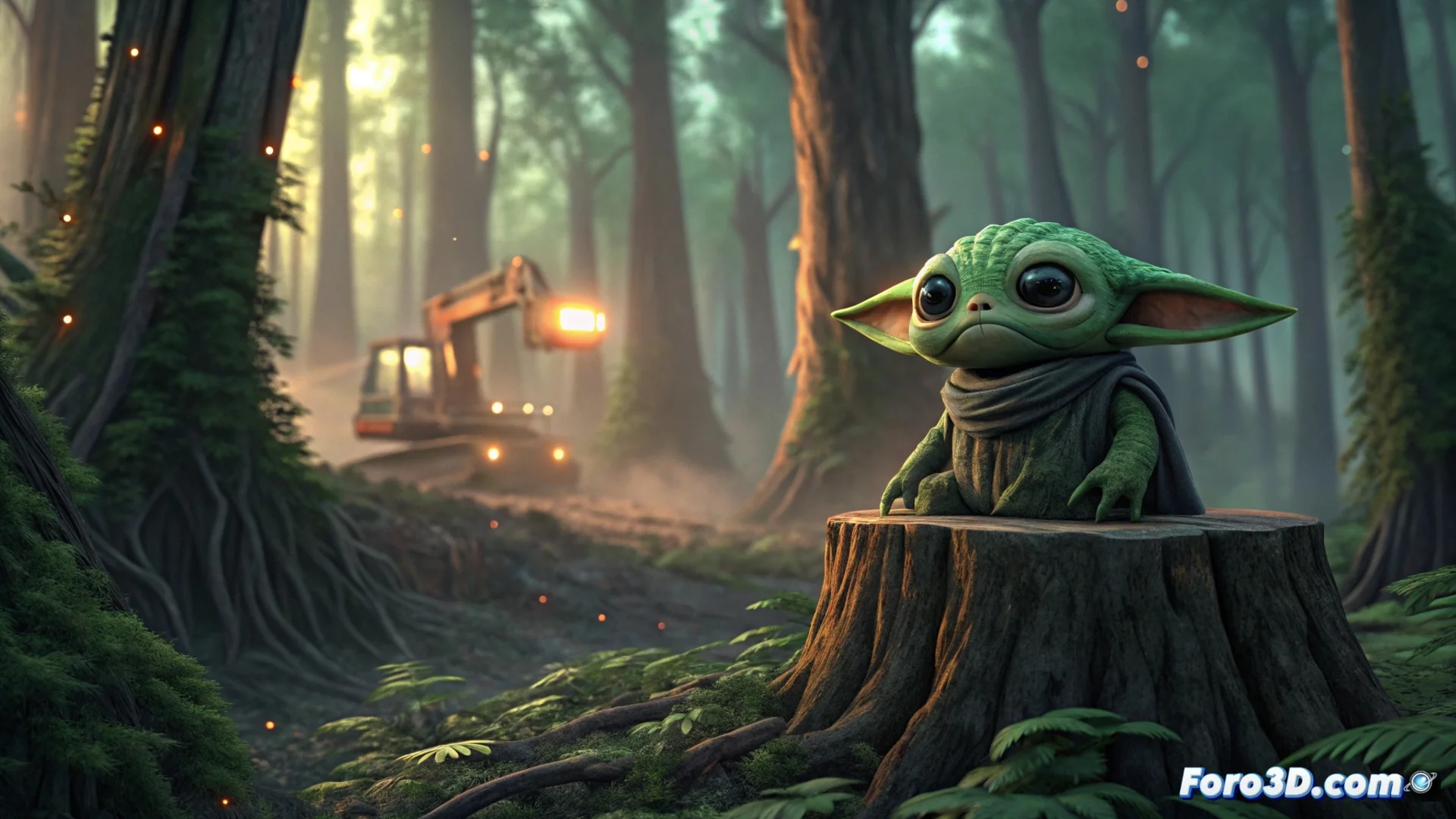
In this novella, Ursula K. Le Guin builds a universe where the planet Athshe is completely covered by a forest. Its inhabitants, the Athsheans, are small and peaceful beings whose existence and communication revolve around dreaming. The arrival of human settlers, called yumens, triggers massive logging and the enslavement of the natives, altering their world forever 🌍.
The corruption of a peaceful culture
The core of the conflict erupts when the Athsheans, through their dreaming time, access the minds of the settlers. From them, they absorb a previously unimaginable concept: murder. This lethal knowledge, learned from their oppressors, becomes the tool that allows them to organize a violent rebellion. The work subverts the classic trope of alien invasion, presenting humanity as the destructive and colonizing force.
Central plot elements:- Human colonization: The yumens establish massive logging operations and enslave the natives to cut down their own forests.
- Dream communication: Athshean culture is based on dreaming, a state that humans neither understand nor respect.
- Transmission of violence: The peaceful natives learn to kill by absorbing the settlers' thoughts.
It is ironic that a story about learning the worst from another culture comes from an author who taught so much about the best of many.
An award-winning literary denunciation
The narrative serves as a direct critique of colonial exploitation, ecosystem destruction, and violent cultural imposition. Le Guin precisely explores how violence is contagious and corrupts even the most harmonious societies. For its powerful message and narrative excellence, the novella was awarded the Hugo Award for Best Novella in 1973 🏆.
Pillars of its critique:- Anticolonialism: It shows the devastating effects of colonization on native cultures.
- Environmentalism: It denounces limitless logging and humanity's disconnection from nature.
- Loss of innocence: It depicts how a peaceful people is forced to adopt violence to survive.
The legacy of a visionary work
The Word for World is Forest transcends the science fiction genre to offer a profound reflection on ethics, power, and resistance. Le Guin's work remains relevant, reminding us of the dangers of imposing a destructive logic on other worlds and other forms of life. Its exploration of cultural transmission and the struggle for autonomy establishes it as an essential and visionary text 📚.