When Art Was Born in Darkness
The Altamira Caves in Santillana del Mar, Cantabria, represent one of the most extraordinary testimonies of early human creative genius. Accidentally discovered in 1879 by Marcelino Sanz de Sautuola and his daughter María, these caves house cave paintings dating back approximately 36,000 years, during the Upper Paleolithic. What makes this site particularly remarkable is the technical and artistic sophistication of the works, which completely challenge the traditional perception of prehistoric man as a primitive being.
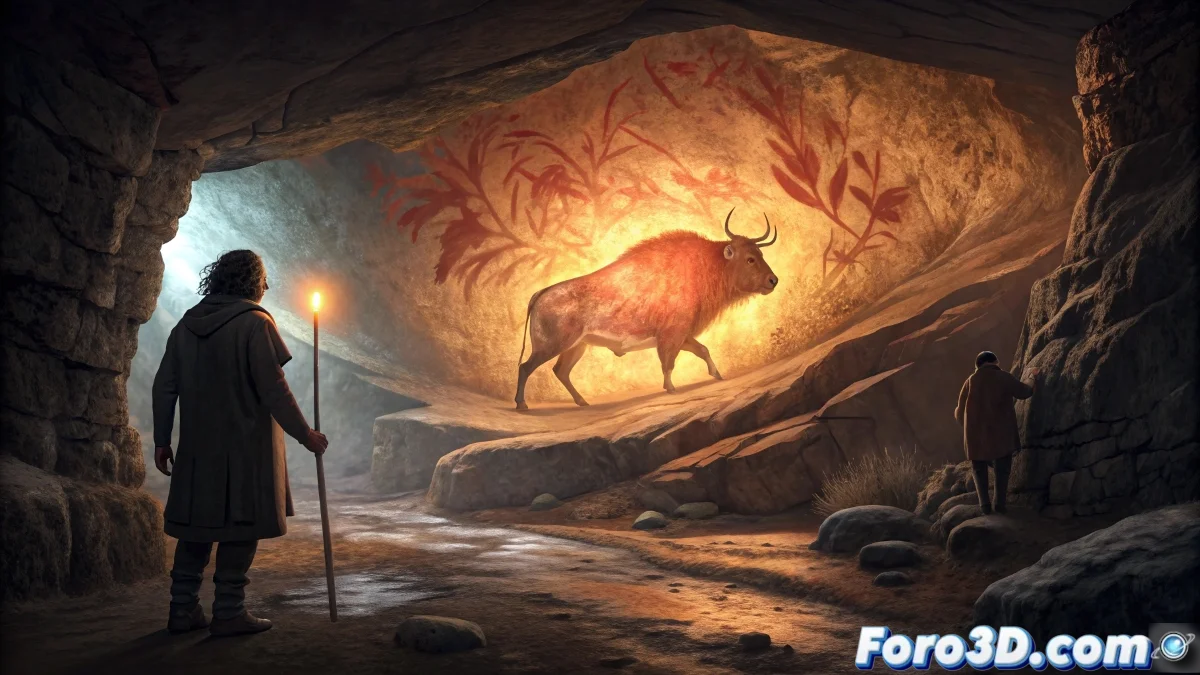
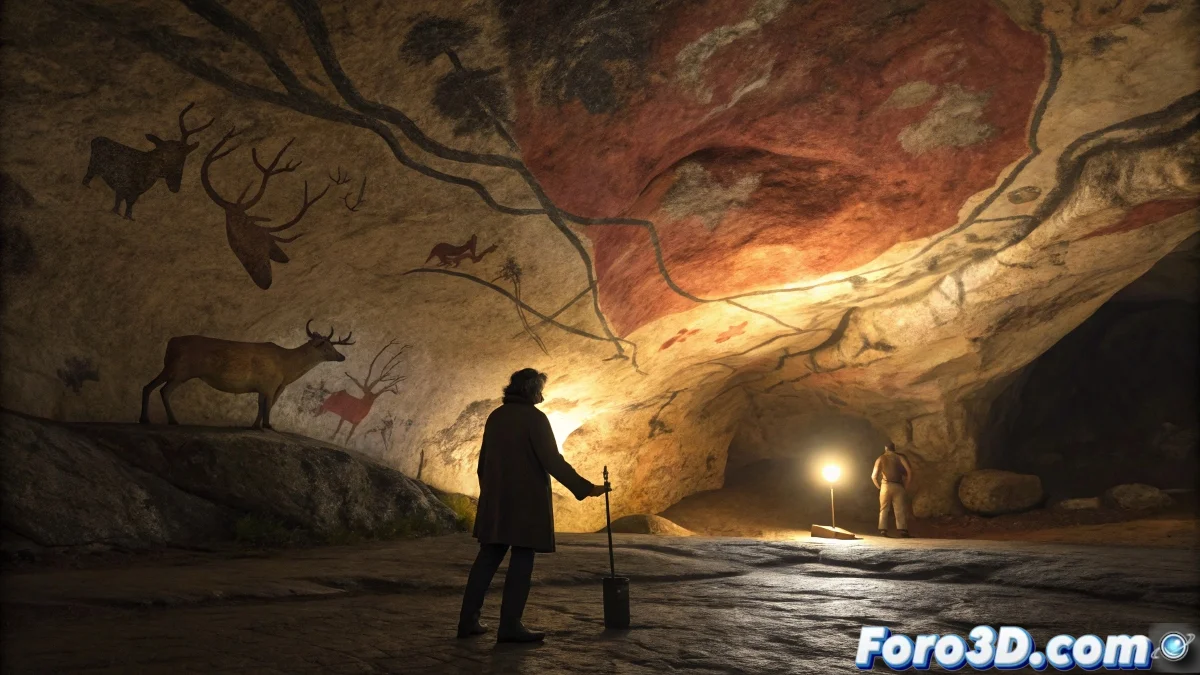
The most famous paintings, the polychrome bison, show exceptional mastery of volume, movement, and the natural use of rock bulges to create three-dimensional effects. The artists used iron and manganese oxides, charcoal, and hematite to achieve a palette of blacks, reds, and ochers that have endured for millennia. The position of the figures on ceilings and walls suggests a deep knowledge of animal anatomy and a sharp observational capacity that still impresses contemporary artists.
Unique Characteristics of Altamira's Art
- Polychrome technique combining multiple natural pigments
- Utilization of rocky reliefs to create volume and realism
- Dynamic representation of animals in motion and natural postures
- Complex compositions organizing multiple figures into coherent scenes
The Conservation vs. Accessibility Dilemma
The original cave remains closed to the general public since 2002 due to damage caused by human presence. Visitors' breath, temperature changes, and the introduction of microorganisms were irreversibly deteriorating the paintings. This decision, although necessary, sparked an intense debate about how to balance heritage preservation with the public's right to experience it directly. The solution came with the creation of the Neocave, an exact replica that allows visitors to experience it without risking the original.
Some mysteries are better preserved in darkness
The replica represents an extraordinary achievement of technology and craftsmanship. Using 3D documentation techniques, photogrammetry, and meticulous scientific analysis, specialists recreated not only the paintings but also the texture of the walls, the acoustics, and even the ambient humidity of the original cave. The result is an immersive experience that transports visitors to the magical moment of discovery, but without the risks to preservation.
Persisting Mysteries About Altamira
- Meaning and purpose of the paintings: ritual, educational, or documentary
- Lighting techniques used to paint in total darkness
- Selection of animals represented and absence of complete human figures
- Social organization of the artists and time invested in the works
The recognition of Altamira as a UNESCO World Heritage Site in 1985 consolidated its global importance. However, the path to this recognition was tortuous, as the scientific community initially accused Sautuola of fraud, arguing that prehistoric men were incapable of such artistic mastery. Only when similar caves were discovered in France with confirmed dates was the authenticity of Altamira universally accepted, rewriting the history of human art.
Those who visit the Neocave today not only see perfectly reproduced bison but experience a journey through time that connects with the first sparks of creativity that would define what it means to be human 🎨