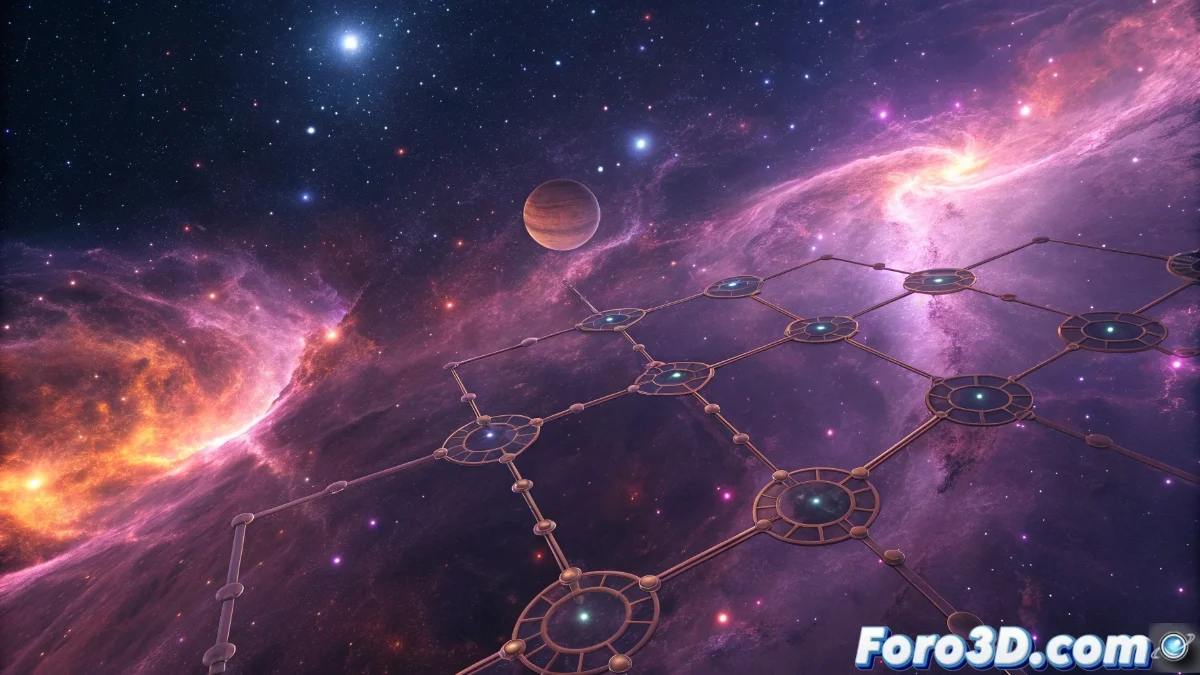
The Modular Revolution in Contemporary Creative Design
The modular paradigm is redefining the very foundations of artistic creation, transforming each element into an expressive unit capable of infinite combinations. 🧩
Architecture of Generative Systems
Algorithmic systems function as invisible orchestra directors that organize modular components according to established parameters, generating everything from complex geometric patterns to complete virtual worlds. Artificial intelligence collaborates with procedural engines to balance structural coherence with unexpected creative discoveries.
Main features of modular ecosystems:- Base components that interact organically like atoms of visual expression
- Adaptive algorithms that explore inadvertent stylistic variations for individual creators
- Accelerated production with unique results where combinatorics drives innovation
Modularity not only optimizes creative processes but generates unpredictable aesthetic solutions where each configuration reveals new perspectives on the same fundamental elements.
Stylistic Evolution through Modular Fusion
Contemporary visual languages evolve through the constant recombination of modules in novel configurations. What once required extensive manual development now emerges from the interaction between pre-existing components that transform each other upon combining.
Examples of stylistic fusion:- Steampunk aesthetics integrated with cyberpunk elements in hybrid visual ecosystems
- Organic architecture fused with generative fractal structures
- Modular systems that reflect the multidisciplinary complexity of current inspiration
Paradoxes of Modular Choice
This creative democratization presents unique challenges, where designers may spend more time organizing module libraries than producing original content. The paradox of modular choice means that the more combinatorial options exist, the harder it is to select a definitive configuration, creating a fascinating dilemma between infinite possibilities and final decision. ⚖️