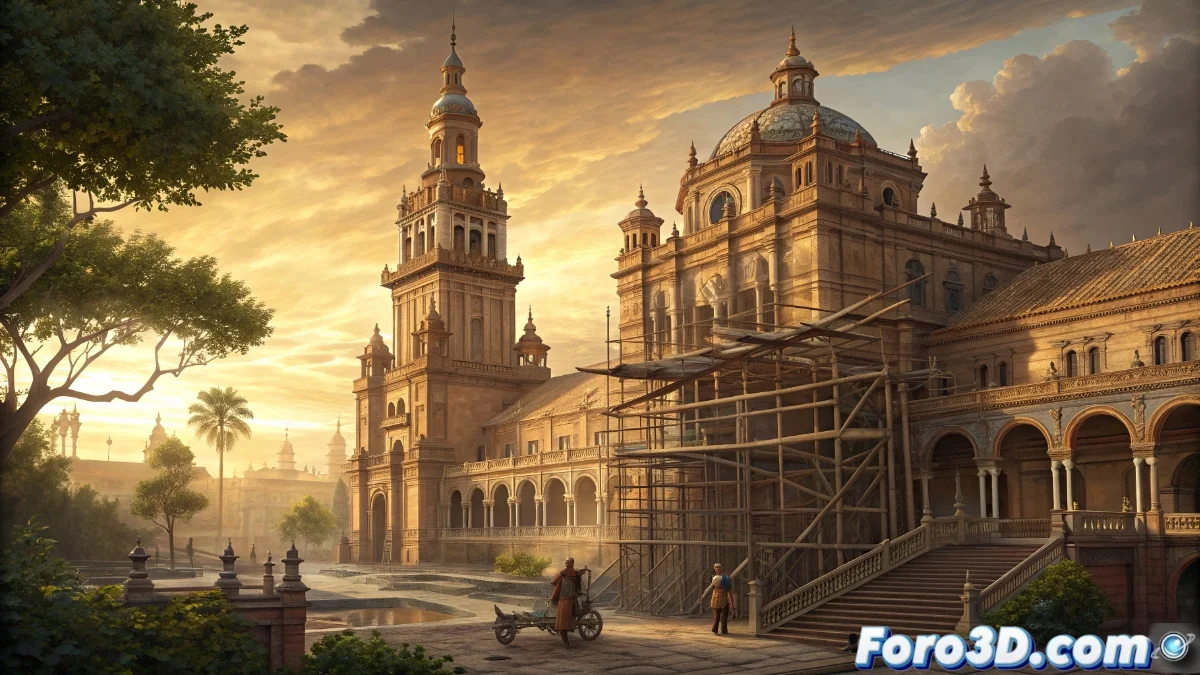
The ministry allocates 49 million to rehabilitate 57 historic monuments
The Ministry of Housing and Urban Agenda has published the First Partial Definitive Resolution of the 2023 2% Cultural Program, allocating a historic budget of 49 million euros to intervene in 57 properties and monuments cataloged as Cultural Assets of Interest. This ambitious initiative aims to preserve and revitalize the national architectural heritage, ensuring that these identity symbols recover their original splendor and continue to be active cultural references 🏛️.
Strategic distribution of economic resources
The allocated funds will be distributed among autonomous communities and local entities, establishing as a priority criterion those projects that present greater structural vulnerability or that generate a significant impact on the sociocultural and tourist development of their territories. Each application has undergone a rigorous evaluation process to ensure that the investment is executed with maximum efficiency, incorporating sustainable methodologies and contemporary restoration techniques that scrupulously respect the historical authenticity of the intervened assets.
Key aspects of the distribution:- Preferential allocation to projects with high risk of irreversible deterioration
- Prioritization of interventions with multiplier impact on the local economy
- Implementation of specialized technical criteria for each patrimonial typology
"The conservation of historical heritage constitutes an investment in our collective memory and in the sustainable economic development of our territories" - Cultural Heritage Observatory
Social and economic repercussions of the investment
This economic injection will not only allow the safeguarding of monuments of incalculable value, but will also activate the creation of specialized employment and dynamize linked economic sectors such as traditional craftsmanship, heritage construction, and cultural tourism. At the same time, it is anticipated that these actions will function as catalysts for urban regeneration, substantially improving the quality of life in immediate surroundings and fostering among citizens a greater appreciation for historical and cultural heritage.
Expected transversal benefits:- Generation of qualified job positions in heritage restoration
- Economic revitalization of historic centers and monumental areas
- Strengthening of local cultural identity and sense of belonging
Challenges in project execution
The final success of these heritage interventions will critically depend on administrative deadlines and bureaucratic processes not becoming insurmountable obstacles. Experience shows that restoring a historic monument can be a process as complex and time-consuming as the great medieval cathedral constructions, requiring agile and efficient management to materialize the proposed objectives within the foreseen timelines ⏳.