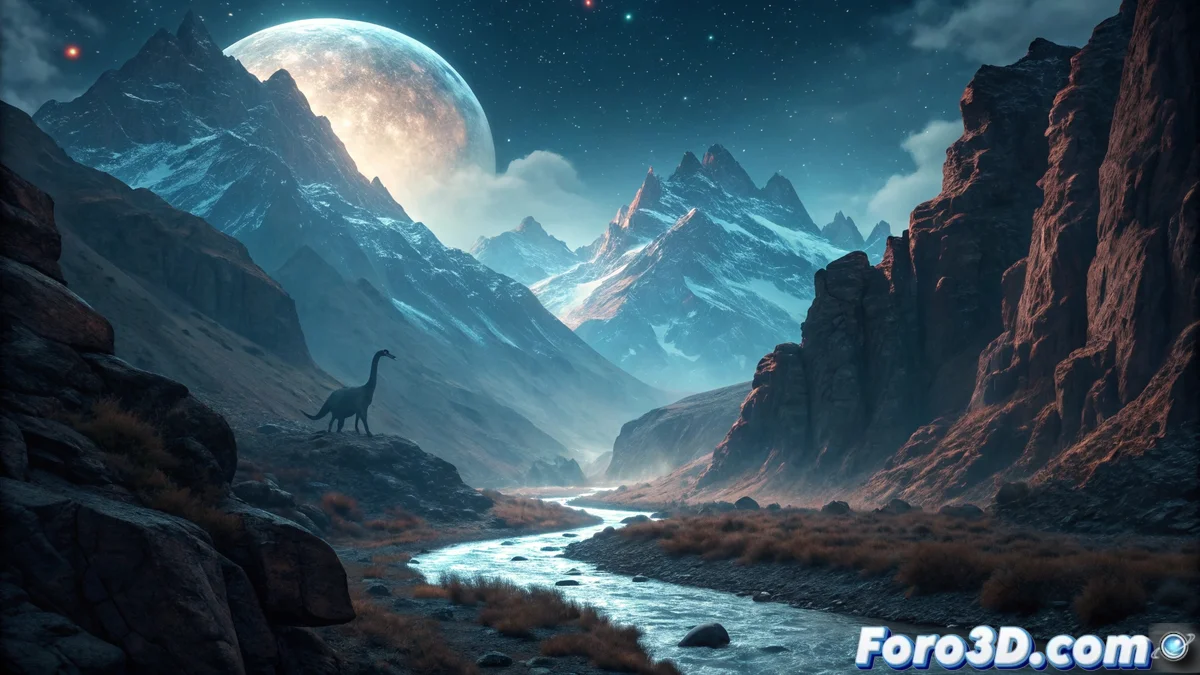
The Metallic Wind of the Andes: Myth and Technique in Natron
In the depths of the Andean Cordillera, a unique sensory phenomenon has captivated local communities for centuries: nocturnal currents that emit an aroma similar to freshly extracted copper. This olfactory experience, initially documented by Quechua and Aymara indigenous traditions, combines geological and mythological elements in a fascinating narrative that can now be recreated digitally using advanced compositing techniques. 🌬️
Origins and Cultural Evolution of the Phenomenon
Ancestral explanations link this wind to supernatural entities, including the legend of a colossal creature that inhabits the mountains. Over time, colonial chroniclers and scientific expeditions contributed diverse perspectives, from symbolic interpretations to hypotheses about mineral oxidation or the release of sulfurous compounds at night. The interaction between unique geology and human perception has enriched the Andean cultural legacy, influencing agricultural rituals and artistic expressions.
Key Elements of the Myth:- Association with omens and natural forces in indigenous communities
- Integration into local festivals as a metaphor for the human-nature relationship
- Multidisciplinary appeal for researchers in geology, anthropology, and visual effects
The metallic aroma is not just an atmospheric phenomenon, but a bridge between tangible reality and collective imagination.
Project Setup in Natron
To recreate this phenomenon, start a Natron project with 4K resolution and sRGB color space, ideal for preserving details in complex environments. Set a frame rate of 24 fps for a cinematic look and import base sequences representing the Andean landscape using Read or Constant nodes. Organize the nodes into labeled groups to optimize the workflow and facilitate adjustments during compositing. 🎬
Essential Preparations:- Resolution and color space setup for maximum visual fidelity
- Import of assets using specialized nodes according to material type
- Nodal structuring with groups to maintain order and efficiency
Environment Modeling and Structure
Use Roto nodes to define mountainous silhouettes and create realistic gorges by applying transformations with Transform nodes that add scalar depth. Adjust tonal values with the Grade node to simulate atmospheric depth, characteristic of high peaks. Separate the scene into foreground, midground, and background planes using independent layers, enabling a convincing three-dimensional composition that is adaptable.
Lighting and Texturing System
Simulate moonlight with Glow and Glint nodes, creating subtle reflections on rocky surfaces. Add dynamic mist layers using the GodRays node to suggest wind movement. Develop mineral textures by combining Noise and Blur nodes with Overlay blend modes, and apply specular effects with the Shuffle node to highlight reflective areas in geological formations. 💎
Material and Light Techniques:- Use of GodRays for integrated mist and wind effects
- Texture generation through combination of noise and blur nodes
- Strategic reflectivity application with Shuffle channeling
Special Effects and Export
Generate the visual effect of the metallic wind using the ParticleEmitter node with adjusted opacity particles and coppery tones. Apply a directional DirBlur node to simulate airflow through the gorges. Create a subtle representation of the mythological creature using deformation techniques with the Displace node and integrate it into the environment with Screen blend modes. Finally, export the composition in EXR format using the Write node, preserving the full dynamic range for post-production stages. 🎞️
Conclusion: Between Technique and Legend
Recreating the Andean metallic wind in Natron requires balancing technical precision and artistic sensitivity. From the initial setup to the final effects, each stage reflects the intersection between geology, mythology, and digital tools. This phenomenon, beyond its scientific basis, demonstrates how sensory perception can inspire immersive visual creations that respect both cultural legacy and current technological possibilities. 🌄