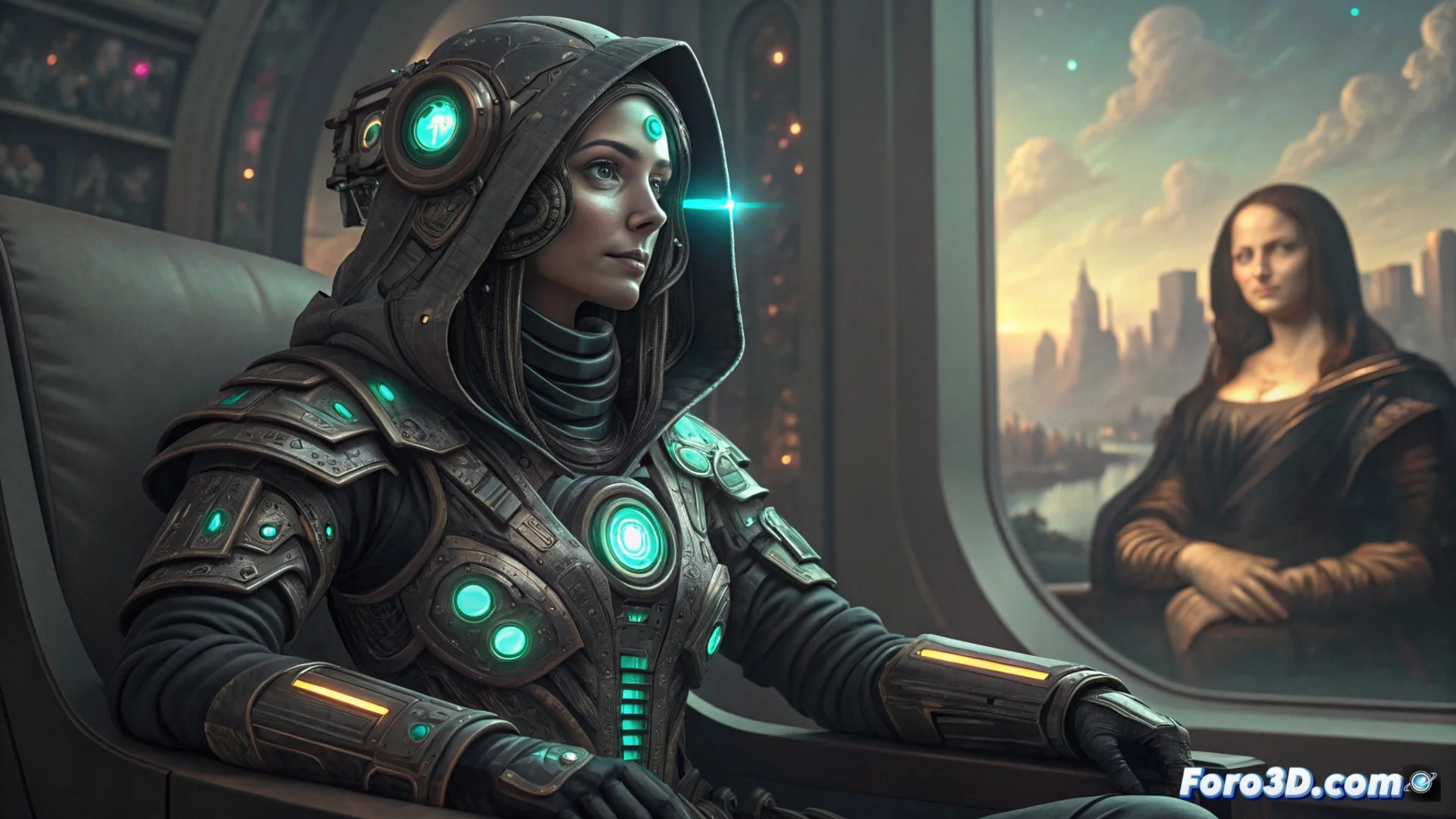
The mash-up reference technique combines classical art and pop culture
This creative method connects two visual worlds that seem opposed. It is based on taking the formal structure of a piece of classical art and fusing it with the stylistic appearance of a contemporary culture icon. The purpose is not to replicate, but to generate an original piece that establishes a dialogue between both sources. This process trains to perceive the essence of an image and to deconstruct and reassemble aesthetics deliberately. 🎨
Steps to apply the fusion process
The first step is to choose a masterpiece from classical painting or sculpture. Its composition, the lines that guide the gaze, the visual balance, and the poses are analyzed. Then, a character from a video game, comic, anime, or movie whose style is to be integrated is selected. The crucial phase is to distinguish between the form and the appearance. The compositional skeleton of the ancient work is transferred to the sketch, preserving its proportions and spatial arrangement. Then, that framework is dressed with the design, color palette, accessories, and textures that characterize the modern character. It is an exercise in visual translation.
Key work sequence:- Select and analyze a classical reference to understand its deep structure.
- Choose and break down a pop reference to identify its iconic elements.
- Separate and transfer the form of one and the skin of the other to the new canvas.
The mash-up does not copy, but creates a visual bridge between eras, generating unexpected narratives.
Advantages of training with this combination method
Practicing this fusion sharpens the ability to understand how solemnity is built in a classical pose or movement in a Baroque composition. Simultaneously, it forces the analysis of what traits define the style of a current character: its silhouette, its unique attributes, its iconography. This constant exchange between the old and the new expands the artist's graphic vocabulary. It also helps overcome blocks, as the limits imposed by the starting work can spur original solutions. The final result frequently possesses an intriguing narrative charge, by suggesting a new story from two recognizable sources.
Main benefits obtained:- Expand the visual language by studying and mixing distinct aesthetic codes.
- Solve creative problems using restrictions as a starting point.
- Create fresh visual narratives from the union of known references.
A practical exercise to get started
A classic example is drawing a superhero with the pose and grandiosity of a Renaissance equestrian portrait. This combination immediately gives it an absurd and theatrical epic quality, demonstrating the power of the technique. This concrete exercise applies all the principles: the composition, balance, and dignity of the ancient painting are maintained, but expressed through the colorful and dynamic aesthetic of the comic. It is the perfect proof of how disparate concepts can be synthesized into a coherent and powerful creation. ✨