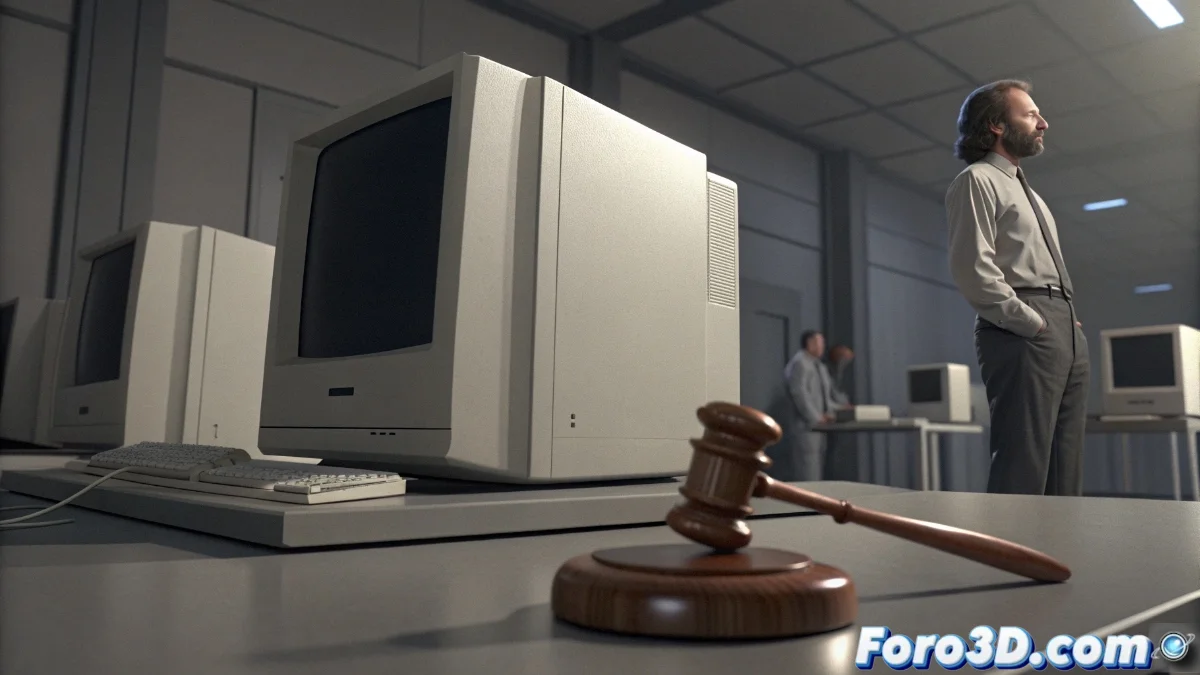
The Mac Clone Era: How Apple Regained Control of Its Ecosystem
In the 1990s, Apple opened the door to external manufacturers to produce computers compatible with its operating system through licensing agreements. This gave rise to brands like Power Computing, Motorola, and UMAX, which launched Macintosh clones that sometimes outperformed or undercut the price of Apple's original products, negatively impacting their sales. 🖥️
The End of the Clone Era
With Steve Jobs' return in 1997, Apple took drastic measures to regain dominance over its platform. The company decided not to renew existing licenses, acquired Power Computing for approximately 100 million dollars in stock to eliminate direct competition, and launched Mac OS 8 under terms that excluded clone manufacturers. UMAX, the last cloner to resist, shut down in 1998 when its license expired. 💼
Key Actions by Apple to Dismantle the Clones:- Cancellation of license renewals to external manufacturers
- Acquisition of Power Computing to eliminate competition
- Launch of Mac OS 8 with restrictive licensing for clones
Apple's strategy demonstrated that total control over hardware and software is essential for the integrity of the ecosystem.
Resurgence of Clones and Legal Battles
Years later, Psystar emerged, a company selling PCs capable of running macOS. Apple filed a lawsuit for violation of the operating system's license and won the litigation, reinforcing its exclusive control over the Mac ecosystem. This legal victory established a crucial precedent against future cloning attempts, ensuring that only devices manufactured by Apple can legally run macOS. ⚖️
Consequences of the Psystar Case:- Reaffirmation of Apple's exclusive control over macOS
- Legal precedent against unauthorized cloning
- Consolidation of a closed environment to avoid fragmentation
Impact on Apple's Business Strategy
Eliminating the clones allowed Apple to regain total control over its platform, enabling perfect coordination between hardware and software. This contributed to the cohesive user experience that defines the brand, contrasting with open-source approaches or broad licensing adopted by other manufacturers. While it limits diversity for consumers, it strengthens Apple's identity and profitability, laying the foundation for innovations like the iMac and iPhone. 🚀