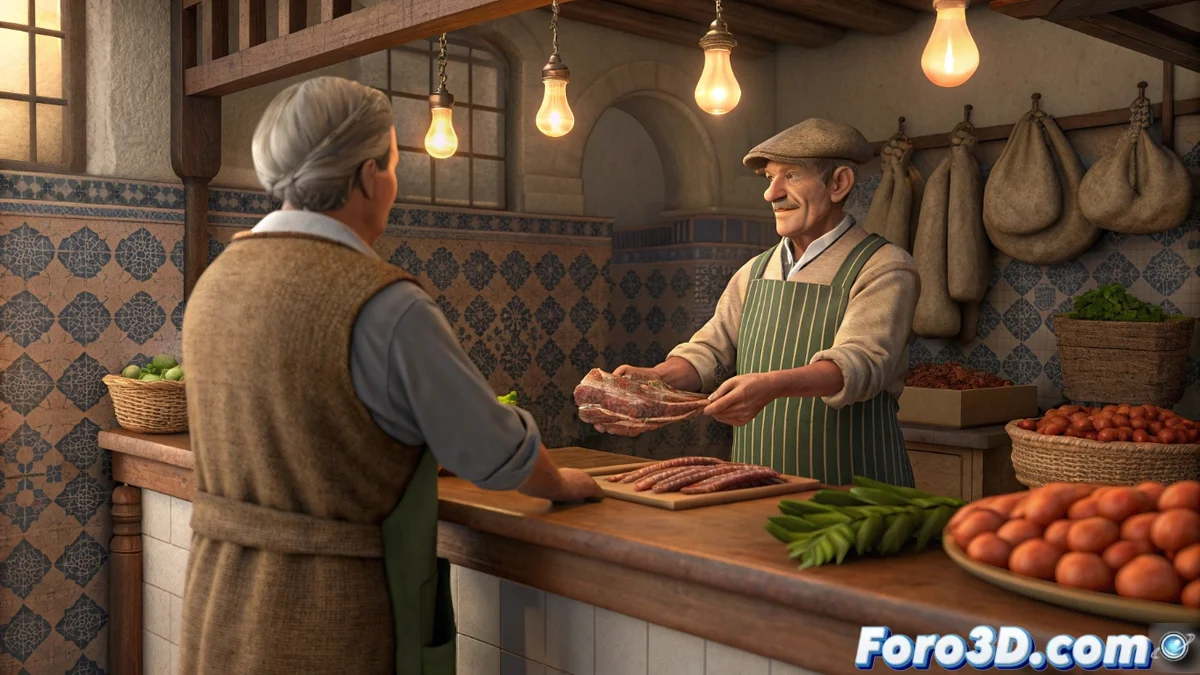
The Lost Tradition of Butcher Bones in Home Cooking
In numerous communities, the beautiful custom still survives where the butcher gifts beef or pork bones to his frequent buyers, particularly those who prepare traditional stews and family pots. 🍖 This practice represents much more than a simple commercial gesture, constituting a true bond of trust that transcends the mere economic transaction.
The Hidden Culinary Treasure in Bones
These bony pieces, frequently from the knee, spine, or rib, are transformed through slow cooking into the fundamental base of deeply flavorful and nutritious broths. Prolonged cooking allows the release of natural collagen that gives silky textures to preparations, in addition to enriching them with essential minerals like calcium and phosphorus. 💎
Most Valued Types of Bones:- Knee bones - ideal for gelling broths
- Spines - provide flavor intensity
- Rib racks - rich in marrow and substance
"The bones that many consider waste are actually the best-kept secret of grandmothers to achieve unforgettable stews"
Evolution of Consumption Habits
The emergence of large commercial surfaces and the sale of packaged products has caused the gradual disappearance of these traditional practices. Supermarkets usually industrially process the bones, eliminating that personalized contact between the butcher professional and his clientele. 🛒
Establishments Where the Tradition Persists:- Neighborhood butcher shops with personalized service
- Municipal markets and supply squares
- Establishments specialized in premium products
The Knowledge Transmitted with the Bones
Currently, it is easier to find digital tutorials to prepare broths than to locate a butcher willing to share his ancestral wisdom on the integral use of these elements. However, in traditional commerce spaces, it is still possible to experience that transmission of knowledge where the craft is combined with practical advice to extract the maximum potential from each cut. 👨🍳