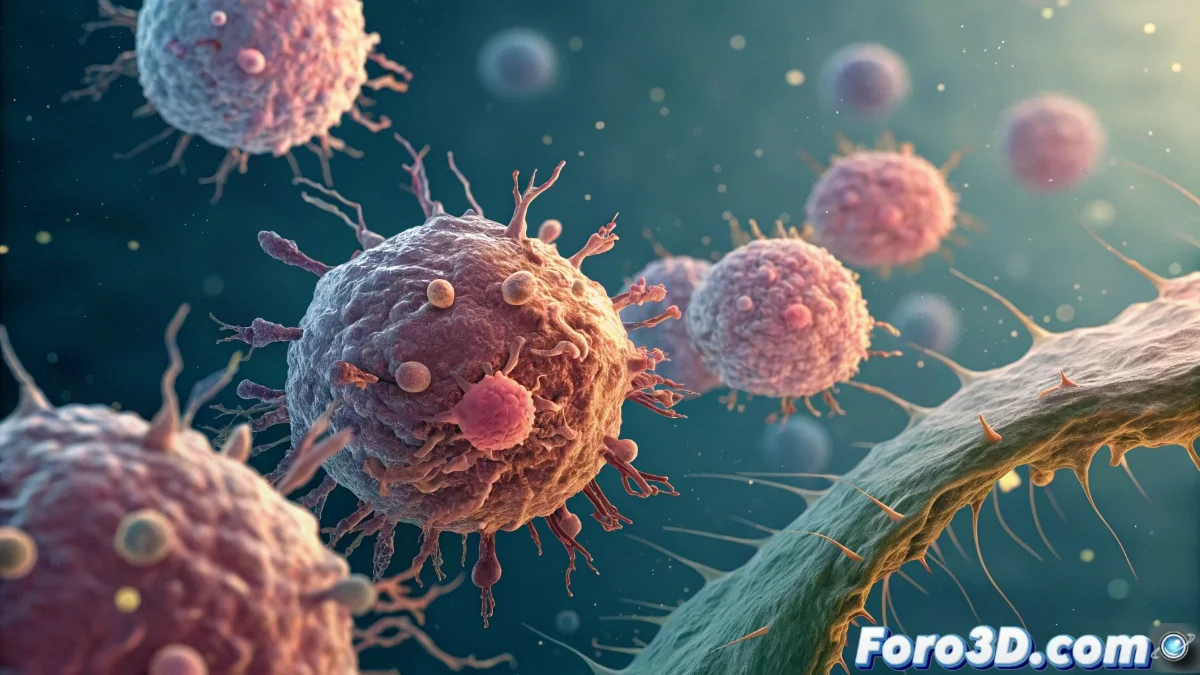
Loss of the Y Chromosome in Male Cells Dualistically Influences Lung Cancer
A recent study has discovered that the loss of the Y chromosome in male cells plays a complex role in the progression of lung cancer, acting as a double-edged sword that can both hinder and drive the disease depending on the cellular environment. 🔬
Dual Mechanism of Action in the Tumor Microenvironment
When male cells lose the Y chromosome, this phenomenon triggers opposing effects: on one hand, it weakens immune defenses, allowing more aggressive tumor growth, but at the same time, it generates specific vulnerabilities that certain treatments can exploit to selectively attack cancer cells.
Key Aspects of the Dual Mechanism:- The absence of the Y chromosome reduces the immune system's ability to fight cancer, facilitating tumor expansion
- Simultaneously, this loss creates metabolic and functional weaknesses in the cells, making them more sensitive to targeted therapies
- The context of the tumor microenvironment determines whether the inhibitory or accelerating effect on the disease predominates
This finding underscores the bifaceted nature of chromosomal loss in oncology, where the same change can be both a threat and a therapeutic opportunity.
Implications for the Development of Personalized Therapies
The discovery opens new avenues for personalized therapies based on the patient's chromosomal profile, allowing oncologists to use the Y chromosome status as a predictive biomarker to adjust treatment strategies and improve efficacy.
Advances in Therapeutic Research:- Development of drugs that specifically target cells without the Y chromosome, exploiting their unique weaknesses
- Use of the biomarker to predict responses to existing treatments and personalize clinical approaches
- Exploration of therapeutic combinations that modulate the tumor microenvironment to optimize outcomes
Final Reflections on the Impact in Oncology
This study demonstrates that, even at the microscopic level, the loss of the Y chromosome can have unpredictable consequences, similar to an ambiguous ally in the fight against cancer. Understanding these dual mechanisms not only enriches scientific knowledge but also drives innovations in personalized medicine, offering hope for more effective and tailored treatments. 💡