The Lemóniz Nuclear Power Plant: History of a Project That Never Was
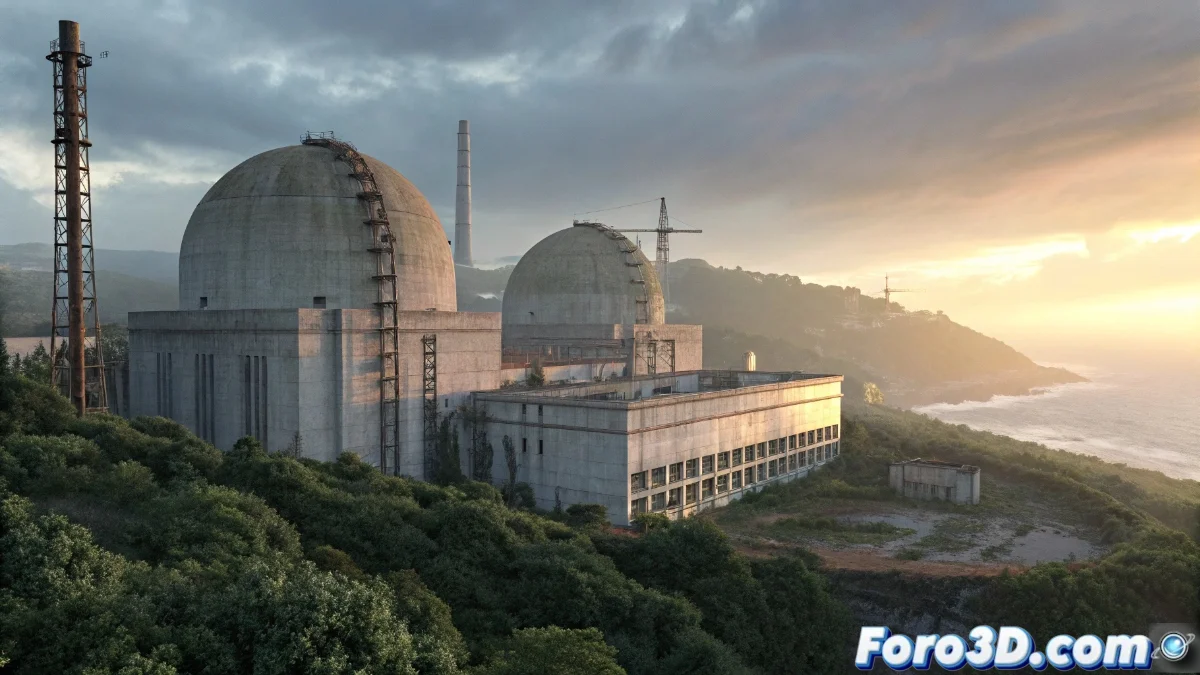
On the coast of Biscay stands the spectacular skeleton of the Lemóniz nuclear power plant, a facility that reached 90% completion in the early eighties. This pharaonic project encapsulates one of the most turbulent periods of Spanish industrialization, where the promise of cheap and massive energy collided brutally with an unprecedented citizen mobilization. While the machinery worked at full capacity, squares and avenues buzzed with massive rallies that brought together environmentalists, local residents, and civil organizations in a resistance that went beyond a mere energy debate 💥
The Conflict Intensifies
Resistance to the nuclear project transcended peaceful demonstrations when ETA identified Lemóniz as a strategic target for its terror campaign. The organization carried out direct attacks against the facilities and physically eliminated crucial engineers like José María Ryan. These violent actions exacerbated the social divide and added a terrifying dimension to an already extremely polarized controversy. Each attack not only halted construction but also instilled panic among workers and widened the gap between supporters and opponents of atomic energy.
Consequences of the Confrontation:- Murder of key engineers like José María Ryan by ETA
- Recurrent paralysis of work due to terrorist attacks
- Deepening of the social rift between nuclear advocates and detractors
These concrete masses that never housed an atom of uranium have turned out to be the most effective anti-nuclear bunker in history, at a devastating human and economic cost.
The Forced End
The sustained social pressure and terrorist escalation culminated in the 1984 nuclear moratorium, which irreversibly froze all atomic projects in Spain. Lemóniz, with its two nearly completed reactors, was sentenced to eternal abandonment. Today, its distinctive concrete domes stand as inert monuments to an era of confrontation, where technological promise was stifled by political conflict and violence. The complex remains closed and guarded, a silent witness to what could have been and never materialized.
Elements of the Current Legacy:- Concrete containment domes as symbols of a conflictive era
- Facilities that are completely closed and permanently guarded
- Structures that never housed operational radioactive material
Final Reflection
The Lemóniz power plant remains as a physical testimony to the limits of technological progress when faced with organized social resistance. The personal memories of parents and children who lived through those days of bombs and televised chases complete the human picture of this industrial tragedy. This historical episode forces us to reflect on the price of development and the complex balances between innovation, security, and citizen will ⚖️