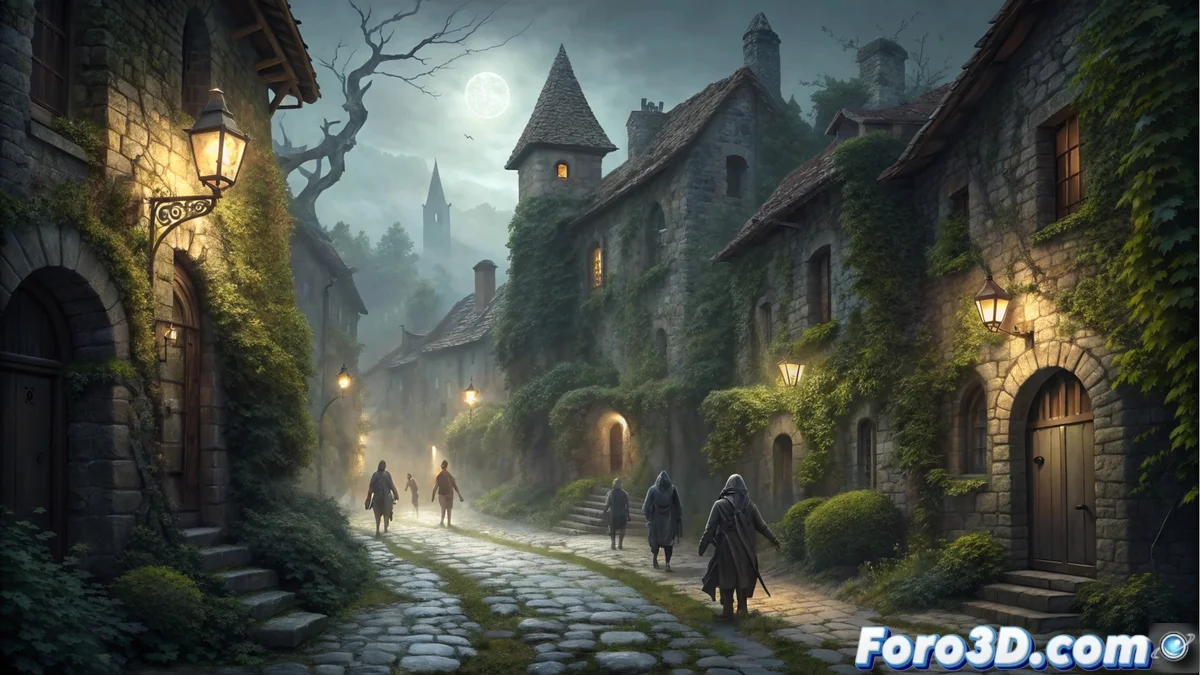
The Legend of Invisible Villages on GPS and Its Recreation in ArmorPaint
Traditional narratives from Central Europe have perpetuated for centuries the mystery of human settlements that defy conventional and digital cartography. These accounts, documented since the 19th century, describe communities that can only be found using ancestral navigation methods, creating a fascinating technological void in our digital age 🌍.
Historical Origins and Evolution of the Myth
The first written testimonies come from 19th-century travelers who claimed to have discovered villages that subsequently disappeared from all known maps. With the arrival of GPS and satellite systems, these stories gained new dimension, highlighting the impossibility of digitizing these locations using modern technology. The defining characteristic was cartographic invisibility, which contrasted with the physical experience of those who visited them.
Distinctive elements of these settlements:- Communities completely isolated from contemporary mapping systems
- Inhabitants with peculiar physical characteristics such as extremely pale skin
- Only accessible through traditional navigation techniques without digital technology
These villages represent the permanent tension between the digital world and ancestral traditions, symbolizing spaces that resist the complete digitization of our reality.
Artistic Recreation in ArmorPaint: Initial Setup
To capture the essence of these ghost villages in a digital environment, we begin by configuring ArmorPaint with a PBR workflow for maximum realism. We set the color space to ACES for advanced tone management and organize layers by structural elements: architecture, characters, lighting, and atmosphere. The base topography simulates the geographical irregularity typical of remote European regions 🎨.
Project Preparation:- High-resolution setup with PBR workflow mode
- Methodical organization of layers by scenic components
- Import of base plane with rugged European topography
Architectural Modeling and Character Development
Using the integrated 3D sculpting tools, we create buildings with traditional Central European architectural features. We apply aged textures with multiple layers of dirt and vegetation, reflecting the neglected yet authentic appearance described in the legends. For the inhabitants, we model humanoid figures with subtly altered proportions and extremely pale skin tones using specialized organic painting brushes 👥.
Lighting System and Atmospheric Materials
We configure an exclusively natural lighting system based on moonlight, dim candles, and indirect environmental reflections. We disable all intense artificial lighting sources and work with reduced exposure values to maintain the characteristic dimness. We develop materials with high diffuse reflectivity but low specular reflectivity, creating surfaces that preferentially absorb light rather than reflecting it directly 💡.
Technical Lighting Characteristics:- Exclusive use of natural light sources without artificial components
- Materials with high light absorption and low direct reflection
- Low exposure setup to maintain dim atmosphere
Special Effects and Final Rendering Process
We implement volumetric fog layers and atmospheric dust particles to create visual depth and mystery. We add a soft vignette filter on the edges to direct attention toward the center of the composition. For the final render, we use the path tracing engine with a high number of samples and configure the integrated denoiser to remove noise while preserving details in dark areas. The final result captures the mysterious essence of these villages that, ironically, find their most faithful representation through the very technology that cannot locate them 🏆.
Cultural Legacy and Final Reflection
This folkloric phenomenon has generated numerous theories ranging from supernatural explanations to systematic failures in mapping algorithms. Culturally, it embodies the tension between modern technology and ancestral traditions, representing spaces that resist the complete digitization of the world. The recreation in ArmorPaint not only allows visualizing these mysteries but also explores the limits of digital representation against experiences that escape conventional technological capture. The final paradox lies in the fact that these villages, invisible to GPS, find their most vivid representation through advanced digital tools, demonstrating that 3D art can give visual form to what cartographic technology cannot register 📱.