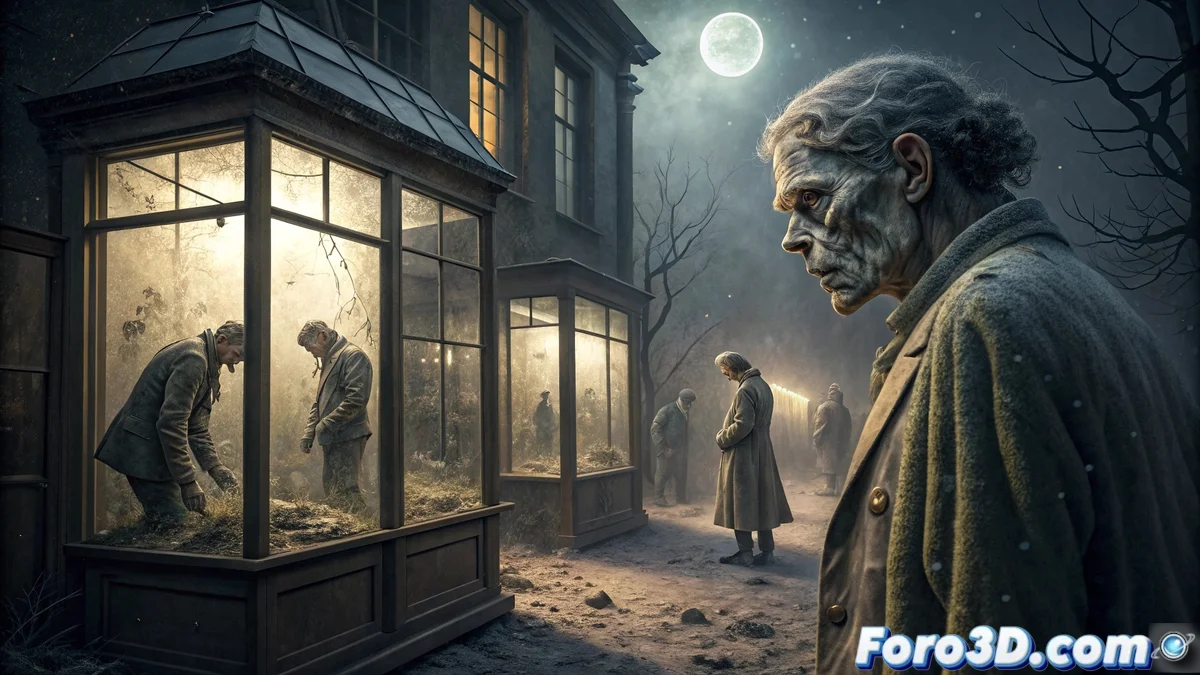
The Legend of the Animated Wax Dolls and Their Creation in Pencil 2D
Fascinating stories about wax dolls that come to life emerged in the 19th century alongside the popularization of wax museums as public entertainment spaces. These institutions displayed hyperrealistic representations of historical figures and celebrities, crafted using meticulous artisanal techniques that imparted an almost disturbing level of detail. In low-traffic or abandoned establishments, the combination of absolute silence, dimness, and the fixed gazes of the figures created a paranormal atmosphere that stimulated collective creativity 🕯️.
Historical Evolution of the Phenomenon
Over the decades, numerous wax museums experienced progressive deterioration, especially after the events of World War II. Neglected collections in old buildings acquired an enigmatic aura, intensified by testimonies from visitors who claimed to have witnessed imperceptible movements in the sculptures. The well-known psychological phenomenon called the stare-in-the-face effect scientifically explained why the figures' eyes seemed to follow spectators from any position, while subtle variations in ambient lighting or changes in perspective could create the optical illusion of altered postures.
Key Elements in Paranormal Perception:- Dim and silent environmental conditions that enhance suggestion
- Physical characteristics of the figures with fixed directional gazes
- Psychological phenomena like the stare-in-the-face effect
The boundary between the inanimate and the living blurs in the dimness of abandoned museums, where each figure seems to hold an ancient secret.
Project Setup in Pencil 2D
Launch Pencil 2D software and create a new document with standard cinematic proportions. Set the playback speed to 12 frames per second to achieve a traditional animation with that characteristic vintage feel. Establish from the outset an organized layer structure: one for the museum background, another for the main dolls, independent layers for projected shadows, and an exclusive layer for lighting effects. This meticulous organization streamlines the subsequent workflow and enables individualized modifications without affecting other elements 🎨.
Initial Technical Setup:- Cinematic aspect ratio for greater visual impact
- 12 fps speed mimicking traditional animation
- Multi-layer structure for efficient organization
Visual Development and Animation Techniques
Draw the fundamental silhouettes of the dolls using the brush tool with organic strokes and rounded shapes. Design characters with elegantly rigid postures, reminiscent of mannequins from past eras. Apply the fill tool to distribute pale tones similar to time-aged wax. For the environmental setting, illustrate dusty shelves and worn display cases using dark color ranges and simplified textures that evoke prolonged abandonment.
Mastering Lighting and Materials
Use multiply layers to generate intense shadow areas, particularly in corners and under display cases. Utilize an overlay layer to simulate that dim beam of light filtering through dirty windows, creating dramatic contrasts between light and darkness. Apply subtle reflections in the dolls' eyes using semi-transparent white to accentuate their piercing gaze. Waxy materials are represented through soft gradients with strategically placed highlights that mimic authentic wax surfaces ✨.
Advanced Lighting Techniques:- Multiply layers for deep and realistic shadows
- Overlays for dim ambient light effects
- Eye reflections with transparencies for lively gazes
Special Effects and Rendering Process
For the follower eyes effect, create key frames where only the eyeballs undergo minimal rotations, keeping the rest of the anatomy completely static. Incorporate dust particles suspended in the light beams using manually drawn elements on separate layers. Export the final animation in video format with minimal compression to preserve the artisanal quality of each stroke. The final render must retain the traditional animation aesthetic while effectively conveying the eerie atmosphere of the abandoned museum.
Cultural Legacy and Final Reflection
These urban legends have deeply permeated contemporary culture, inspiring countless works of psychological horror and urban narratives. The concept addresses primary human fears such as the anxiety of being watched and the fear of inert objects that appear to come to life. It represents a modern fascination with the uncanny, where the everyday transforms into the unsettling, reflecting our ambivalent relationship with extremely realistic but essentially empty human representations. The next time you visit a wax museum, observe carefully if that smile remained identical since your entrance 🎭.