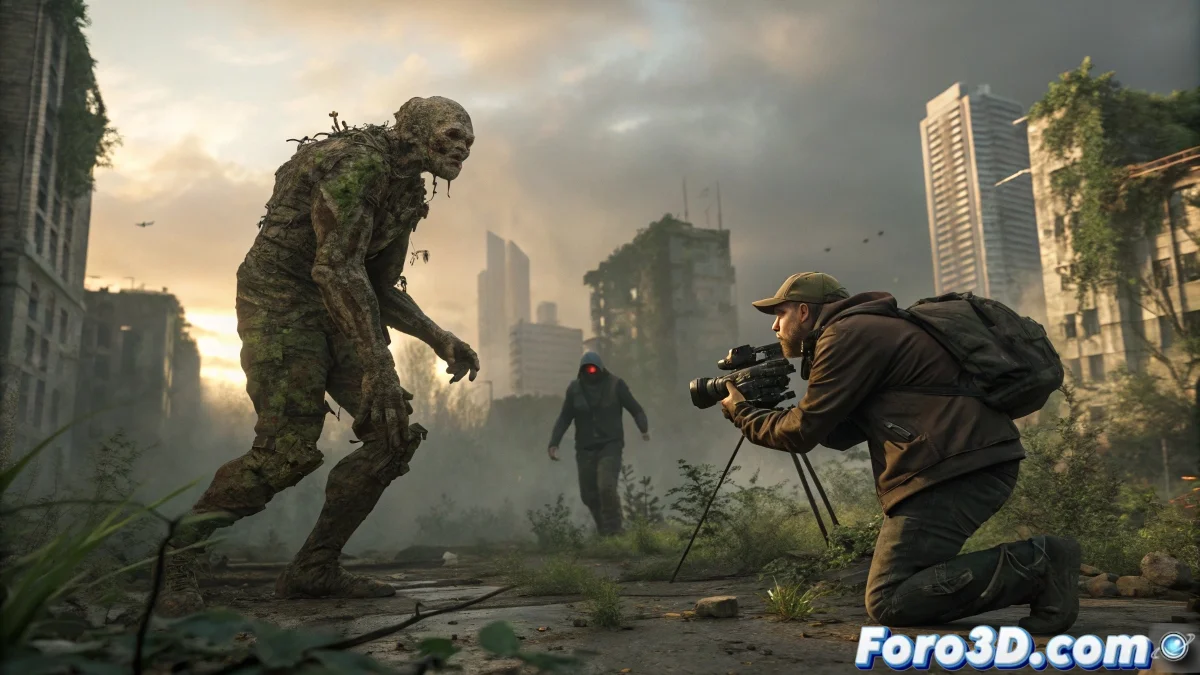
The Last of Us Season 2: The Fungal Apocalypse Comes to Life with Distillery's VFX
When the fungi in The Last of Us make your skin crawl, thank Distillery VFX. The studio has revealed how it brought Season 2 to life, where every spore, infected, and nature-devoured building combines practical effects with digital simulations so organic they give you chills. Because in this apocalypse, the scariest thing is how convincing it looks. 🍄💀
"Our fungi don't just grow... they breathe. Every simulation in Houdini had to feel alive" - Distillery VFX Supervisor
The Digital Ecosystem of the End of the World
Technical arsenal:
- Houdini: Fungal growth simulations with realistic physics
- Maya: Infected animation that amplifies practical makeup
- Nuke: Compositing that seamlessly blends practical and digital
- Unreal Engine: Real-time action scene previsualization
From Prosthetics to the Final Monster
Infected creation process:
- Actors with extreme prosthetic makeup
- Motion capture for inhuman gestures
- Digital addition of mycelium and spores in Houdini
- Integration into the scene with atmospheric lighting
Why This Breakdown is Pure Gold
Lessons for artists:
- Organic isn't perfect: Imperfections give realism
- Less is more: Sometimes one well-animated spore scares more than a hundred
- Respect the practical: Digital must serve the physical
- Narrative first: Every fungus tells a story
So when the clickers keep you up at night, remember: behind them are artists who spent months studying how real fungi grow... just to create versions we hope never evolve. And if your GPU suffers rendering them, think at least you're not in that universe. 😅
P.S.: The artists confess to seeing fungal structures in every corner after months of work... the Cordyceps syndrome is professional.