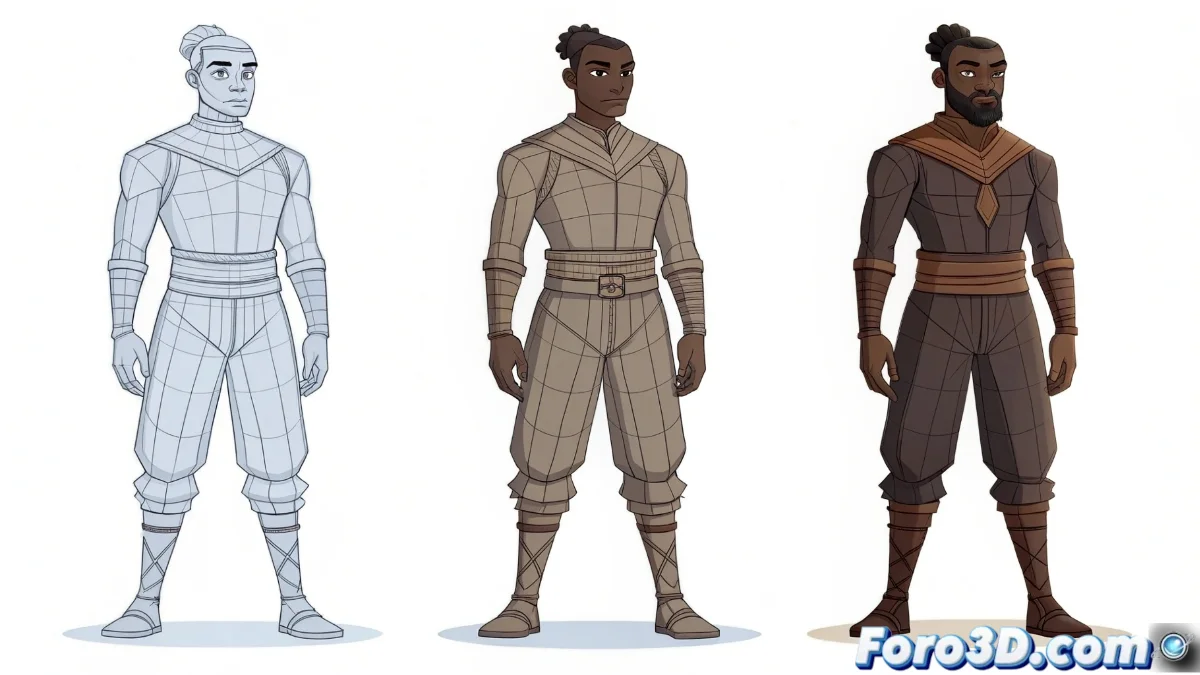
The Language of Shapes in Character and Environment Design
In the realm of visual design, the language of shapes or shape language functions as a fundamental system. This method deliberately employs basic geometric figures to express the essence, function, or character of any visual element, from a character to a complete scene. These shapes act as the structural skeleton upon which the entire final appearance is built, allowing the artist to direct the audience's perception instantly and without words. 🎨
The Emotional Meaning of Basic Shapes
Each main geometric figure evokes a set of defined sensations and attributes. Shapes derived from the circle, with their curves and roundness, are usually associated with kindness, innocence, accessibility, or a playful character. On the other hand, squares and rectangles convey ideas of stability, solidity, reliability, and in some contexts, can suggest stubbornness or heaviness. Triangular shapes and sharp angles point towards aggression, dynamism, danger, intelligence, or malice. These associations are not immovable rules, but they offer a solid starting point for building a design with a clear and coherent intention.
Key attributes by geometric shape:- Circles/Curves: Suggest kindness, softness, accessibility, and an innocent or playful character.
- Squares/Rectangles: Communicate stability, strength, reliability, and a sense of solidity or weight.
- Triangles/Sharp angles: Convey aggression, dynamism, danger, sharp intelligence, or malice.
Coherence between the chosen shape and the character's concept is essential; a villain designed only with circles might not be perceived as a credible threat.
Applying Shape Language Step by Step
To use this tool effectively, the process usually follows a logical sequence. First, the personality or role of the element to be designed is precisely defined. Next, a dominant shape is selected that encapsulates that central concept. For example, a strong guardian can be based on a square, while an agile spy can start from a triangle. The crucial next step is to silhouette the design using that primary shape, ensuring its overall outline is readable and communicates the desired idea even without textures or colors. Finally, the design is enriched by integrating secondary shapes that complement or contrast with the main one, adding complexity and visual richness to the whole.
Workflow for designing with shapes:- Define the concept: Establish the personality, role, or emotional essence of the character or environment.
- Choose the primary shape: Select the base geometric figure (circle, square, triangle) that best represents that concept.
- Silhouette the design: Build the overall silhouette of the character while maintaining the readability of the base shape.
- Add secondary shapes: Introduce other figures to create contrast, complexity, and details that reinforce the visual narrative.
The Power of a Clear Silhouette
The silhouetting step is perhaps the most important. A strong and recognizable silhouette allows the character or object to be immediately identifiable, functioning as a visual icon before the viewer processes any details. This principle is vital in video game design or animation, where quick readability is crucial. The right choice of the base shape and its consistent application in the silhouette lay the foundation for a design that communicates effectively and memorably, avoiding contradictory messages that could confuse the audience. ✅