The Ken Burns Effect and Its Impact on Action Scenes
The Ken Burns effect is a classic post-production technique that adds movement to static photographs through slow zooms and pans. However, its application in inappropriate contexts can generate counterproductive results, especially in material that already suggests dynamism. 🎬
Visual Conflict in Dynamic Images
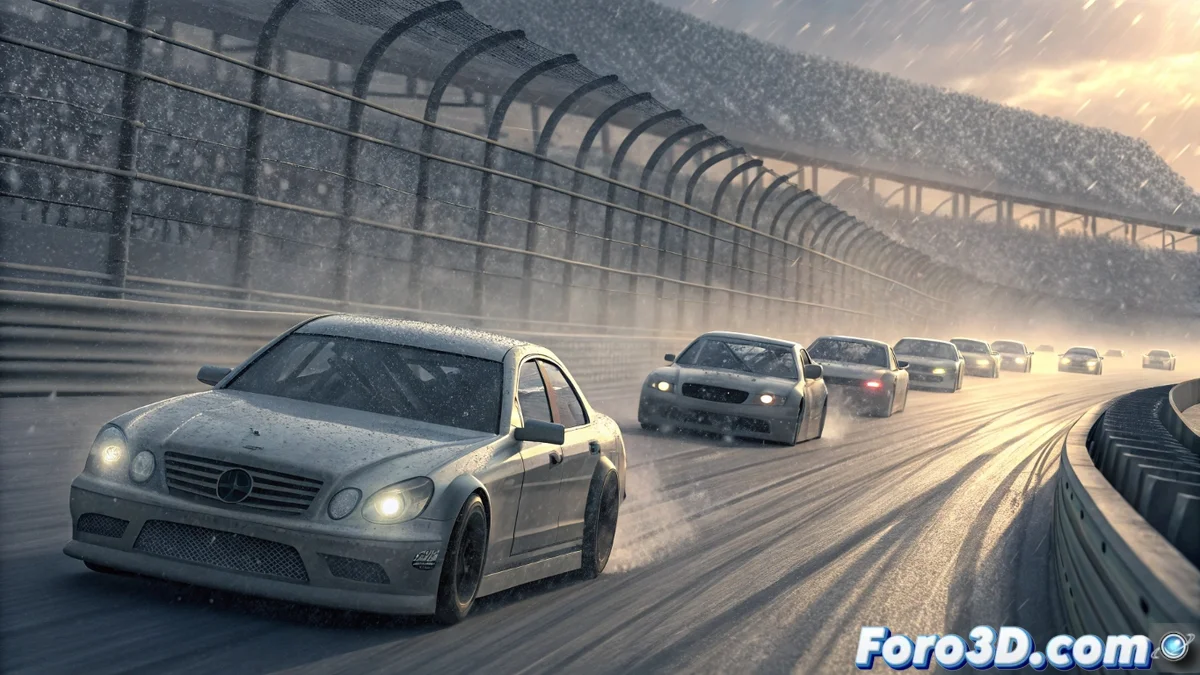
When this effect is used on photographs that capture intense action, such as a sports jump or a race, it produces cognitive dissonance in the viewer. The artificial movement of the pan conflicts with the inherent stillness of the frozen image, causing the moment to lose its original power and appear artificial.
Concrete Examples of Misapplication:- Speed Sports: In an F1 photo, a slow pan over the cars creates the illusion that time has slowed down, confusing the perception of real speed.
- Athletics in Action: A progressive zoom on an athlete mid-jump generates an unnatural floating sensation that does not match the explosiveness of the instant.
- Fight Sequences: Applying the effect to a frozen punch can make it seem like a static pose rather than a powerful impact, distorting the narrative.
Applying Ken Burns to an action scene is like trying to revive a fossil with a gentle breeze: you only manage to make it seem like it decided to take an eternal break.
Strategies for Proper Use
To avoid this problem, it is crucial to select the source material carefully and adjust the animation parameters. The goal is for the added movement to complement, not contradict, the essence of the image.
Technical Recommendations and Workflow:- Material Selection: Reserve the effect for naturally static images, such as portraits, landscapes, or still lifes, where movement adds interest without creating conflict.
- Speed Adjustment: Use tools in software like Adobe Premiere, Final Cut Pro, or DaVinci Resolve to calibrate the zoom and pan speed, ensuring it is subtle and appropriate to the overall project context.
- Testing and Evaluation: Always preview the effect in a test sequence. Analyze whether the artificial movement is altering the main message or the emotion that the original image intends to convey.
Conclusion: Balance Between Technique and Narrative
The Ken Burns effect is a powerful tool for bringing photographs to life, but its success depends entirely on editorial judgment. In action scenes, its use usually creates a perceptual distortion that weakens the visual impact. The key is to recognize when an image needs external dynamism and when its narrative power lies precisely in its frozen stillness. Choosing wisely ensures that the technique serves the story, not the other way around. ✅