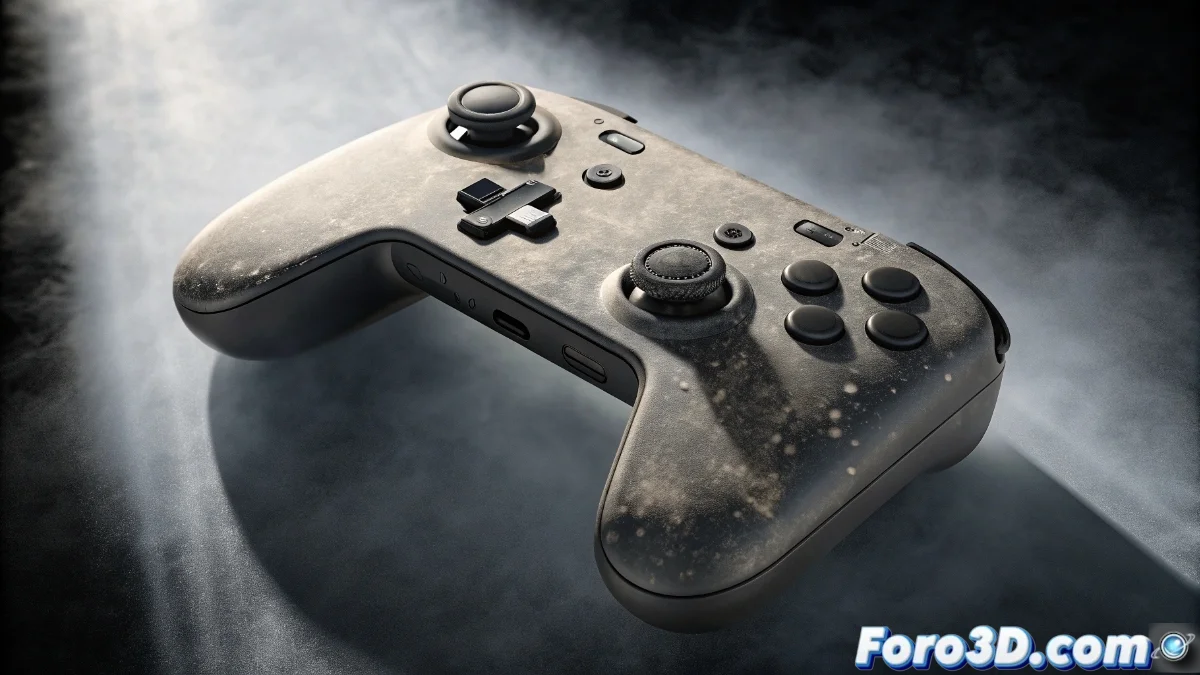
The Drift Phenomenon in Nintendo Switch Joy-Con Controllers
The drift in Joy-Con controllers is an annoying anomaly that affects the analog sticks of Nintendo's handheld console, registering ghost movements without user intervention. This issue arises from the premature deterioration of internal parts and poor sealing that allows particle entry. Although the controllers are key to gameplay, their compact construction makes them vulnerable, leading many to see it as a case of unintended obsolescence in modern hardware. 🎮
Technical Causes and Nintendo's Responses
The root of the drift problem lies in the fragility of components like the graphite sheets inside the potentiometers, which erode with everyday use. Nintendo has implemented free repairs in numerous regions, extending this service beyond the standard warranty, which has partially calmed the discontent. Additionally, adjustments have been introduced in later Joy-Con versions to enhance durability, although drift reports continue in recent models, including those of the Nintendo Switch OLED. This indicates that, despite the advances, the solution is not definitive and the risk persists. 🔧
Key Factors of Drift:- Accelerated wear of graphite sheets in internal potentiometers
- Dust and dirt accumulation due to insufficient sealing in the design
- Intensive use in handheld and tabletop modes, exacerbating material fatigue
It is ironic that, in a console created for limitless fun, the controllers sometimes decide to play on their own, adding an unwanted touch of autonomy to the games.
Future Expectations and Reflections
Despite the improvements, the recurrent drift keeps the community on alert, generating hopes about the upcoming Nintendo Switch 2. Speculation abounds about the incorporation of superior technologies like Hall effect sticks, which are immune to wear from physical contact. However, until a radical redesign is confirmed, users must be prepared for possible setbacks. In short, while Nintendo has acted to mitigate the flaw, the essence of the current design retains a vulnerability that has not been fully eliminated. 🔮
Measures and Perspectives:- Extended free repairs by Nintendo in response to the problem
- Design reviews in later Joy-Con models to increase resistance
- Anticipation of Hall effect sticks in future consoles to eliminate wear
Conclusion on Joy-Con Drift
The drift phenomenon illustrates the challenges of engineering in compact devices, where durability can be compromised. Nintendo has demonstrated commitment with free repairs and iterative improvements, but the persistence of the issue in models like the Switch OLED underscores that the technical solution is not yet complete. Players, meanwhile, yearn for an evolution toward more robust components in the next generation, hoping that unwanted controller autonomy becomes a thing of the past. 💡