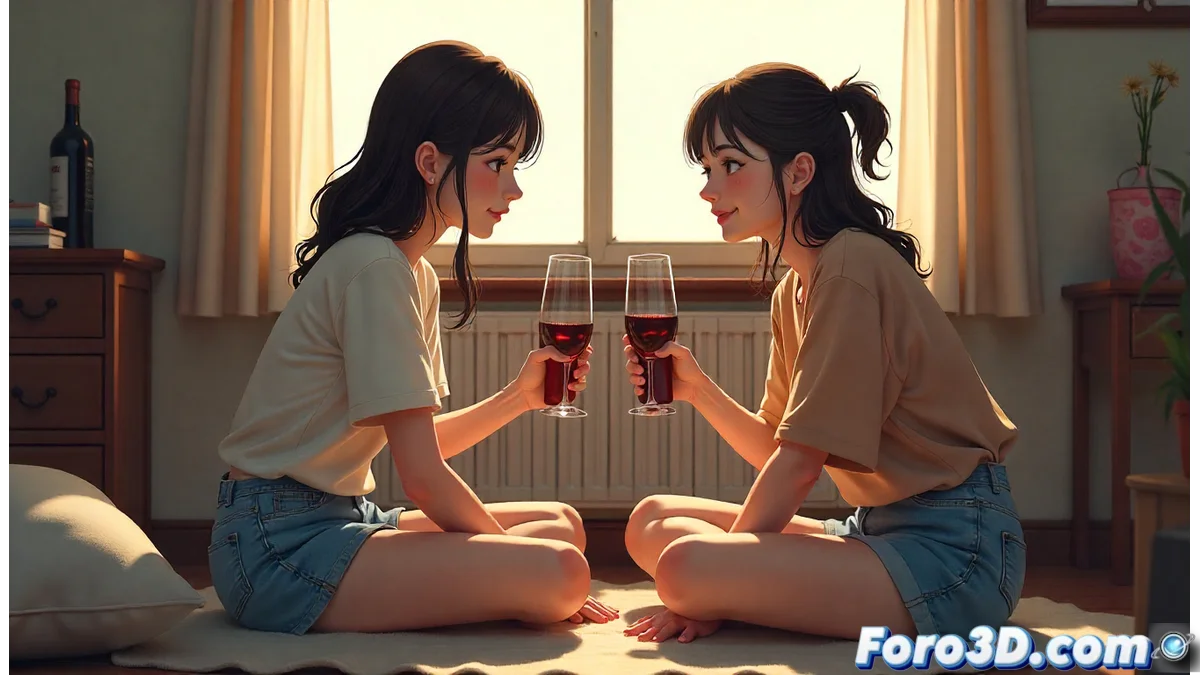
Josei represents the natural maturity of manga aimed at female audiences, offering narratives that speak directly to adult women's experiences. Unlike shojo, which idealizes teenage romance, josei addresses complex relationships, professional challenges, and existential conflicts with moving realism. 💼
This genre explores life after twenty, when decisions have real consequences and happy endings are not guaranteed. The protagonists are women navigating between professional aspirations, complicated relationships, and the search for their identity in a world that constantly redefines what it means to be an adult.
Where romantic fantasy ends, real life begins.
Distinctive characteristics of josei
Josei is recognized for its honest approach to themes that resonate with adult women. Stories can range from workplace dramas to comedies about motherhood, always keeping one foot firmly planted in everyday reality.
Defining elements of the style:
- adult protagonists with careers and responsibilities 👩💼
- romantic relationships with realistic ups and downs
- exploration of complex female friendships
- mature treatment of adult sexuality
Fundamental differences with shojo
While shojo usually focuses on first love and school drama, josei addresses established relationships, marriages in crisis, and personal reinvention after thirty. The art tends to be more subdued and less stylized, reflecting the aesthetics of the real world.
Significant contrasts between genres:
- emotional realism versus romantic idealization
- protagonists with life experience versus characters discovering the world
- work and family conflicts versus school dramas
- explicit adult sexuality versus innocent romance
The thematic diversity of josei
What makes josei special is its ability to address any theme from an adult female perspective. From political thrillers to comedies about divorce, the genre demonstrates that women deserve narratives as diverse as their real lives.
And so, while some readers never abandon shojo's teenage romances, others discover in josei that literary mirror reflecting their own adult struggles and triumphs. The paradox that a medium often underestimated offers some of the most honest representations of contemporary female experience. 📊