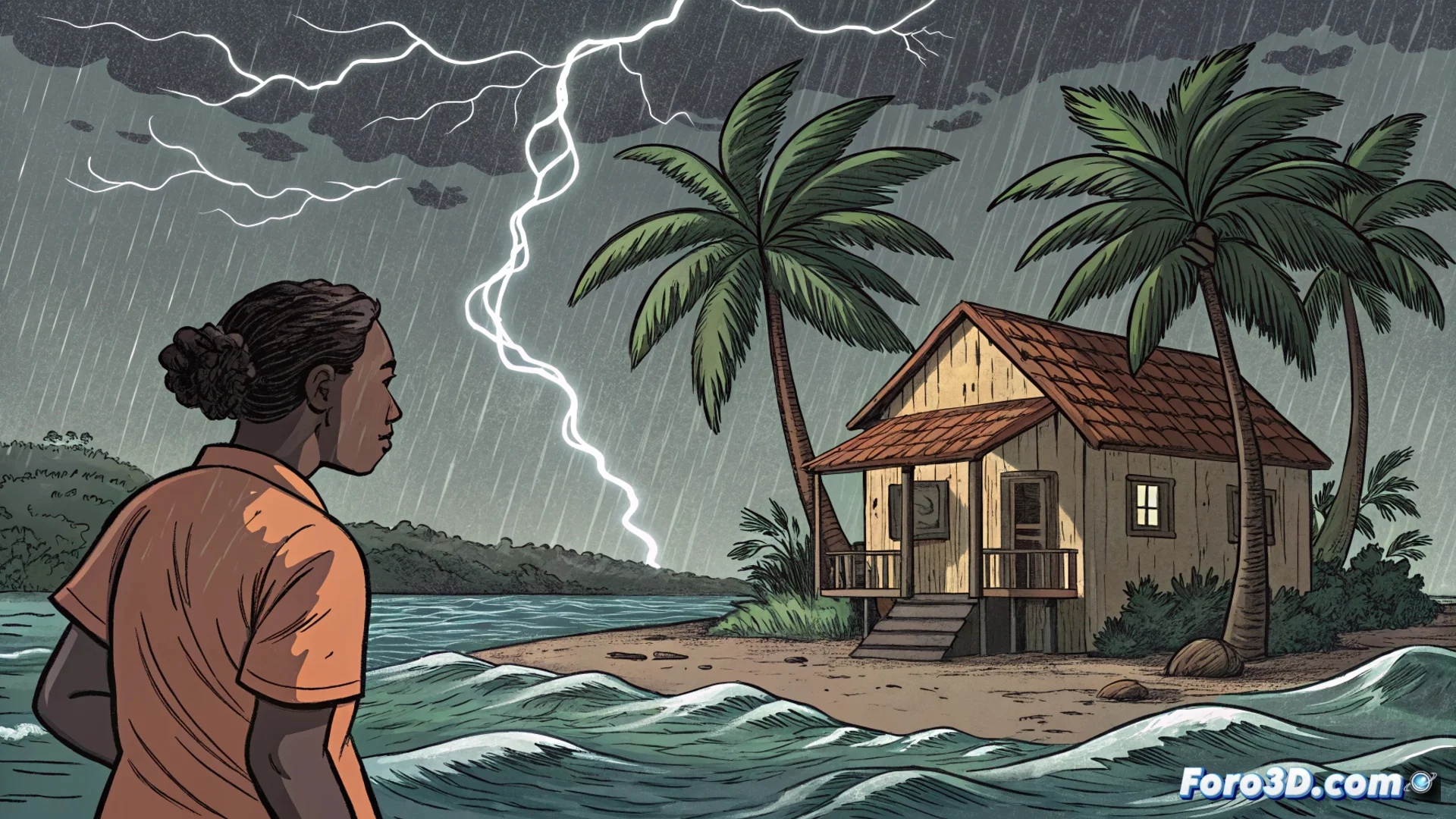
Islands Lead the Fight Against Climate Change
For many small island nations, climate change is not a future threat, but a daily reality. Sea levels are rising steadily and extreme weather events, such as cyclones and floods, are becoming increasingly intense. This devastates infrastructure, floods arable land, and erodes coastlines, forcing entire communities to abandon their homes and putting their cultural identity at risk. 🌊
Practical Strategies to Adapt and Resist
Facing this crisis, the inhabitants of these islands do not wait for external solutions. They implement ingenious and highly practical adaptation actions, demonstrating remarkable resilience. These measures leverage local resources and knowledge passed down through generations, positioning these communities as living laboratories of climate survival.
Key Actions Transforming the Landscape:- Restore Mangroves: They plant these trees to create natural barriers against coastal erosion and to regenerate marine ecosystems that serve as fish nurseries.
- Elevate Homes: They build or modify houses on high stilts, protecting them from cyclonic storm surges and recurrent floods.
- Innovate in Agriculture: They recover traditional seeds and farming techniques tolerant to salinity and diversify what they plant to ensure food security.
While some capitals debate deadlines, on these islands the sea sets the daily agenda. Adapting is not an option, it is the only task.
Combining Ancestral Knowledge with Modern Science
The effectiveness of these local responses increases when fused with scientific knowledge and international funding is obtained. Community leaders work alongside oceanographers and climatologists to monitor changes and design more precise interventions. Pilot projects demonstrate how to live with water, managing it rather than just trying to contain it.
Pillars for Building Lasting Resilience:- Collaboration with Scientists: To measure ocean acidification, beach loss, and plan with precise data.
- Seek Energy Autonomy: Installing solar panels and rainwater collection systems reduces external dependence and increases resilience.
- Demand Global Commitment: Although adapting is crucial, it has physical and economic limits. An urgent and drastic reduction in global greenhouse gas emissions is needed.
Related Links