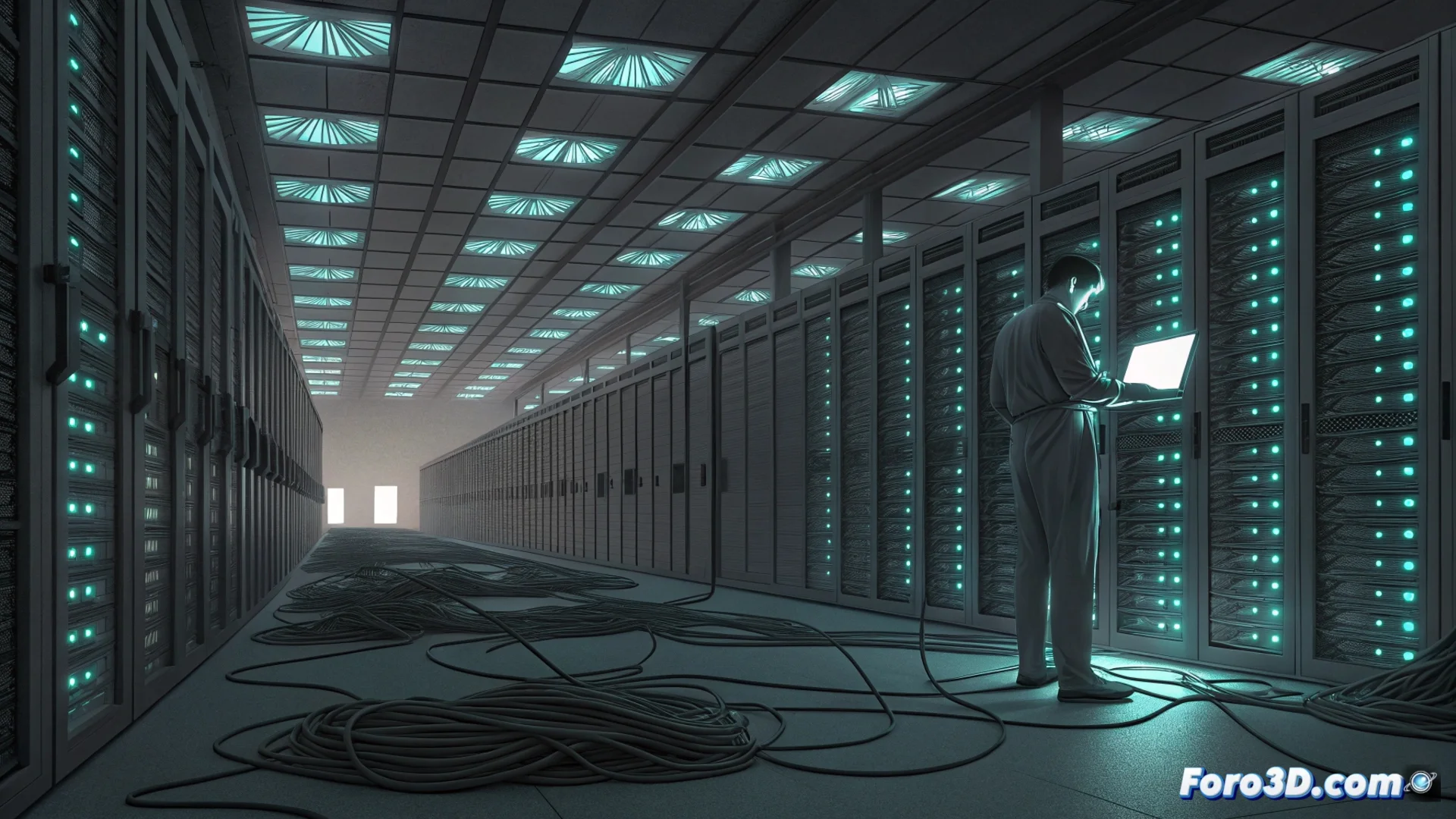
The Invisible Technology That Sustains the Modern World
What was once an auxiliary tool now constitutes the fundamental support for almost any human activity to function. We fully trust that digital environments will operate seamlessly, from turning on the light to paying with our mobile phones. This absolute trust is only questioned when something breaks, exposing a layer of infrastructure that the end user almost never perceives. Society not only uses technology; it lives thanks to it. 🌐
Digital Services as a Basic Utility
Similar to how we need running water or electricity, today we depend on platforms to communicate, networks to transfer data, and systems to manage payments. These elements form an essential layer for working, learning, and managing daily life. This shift places technology companies in a role similar to that of traditional utilities, with the enormous responsibility of maintaining system stability and protecting security.
Examples of Critical Dependence:- Communication platforms that enable remote work and distance learning.
- Electronic payment systems that drive the global economy.
- Data networks that connect medical devices, factories, and homes.
The resilience of modern society is directly linked to the robustness of its digital infrastructure.
When the Invisible Fails: Exposure of Fragility
An interruption in a cloud service or a cyberattack on a main network can have cascading effects: halting production in industrial plants, complicating operations in hospitals, or isolating entire communities. These events demonstrate that our collective strength is intrinsically tied to how well these digital systems are built and protected. Planning for these scenarios and designing with redundancy is no longer just a good engineering practice; it is a social imperative to reduce risk when what sustains us fails.
Consequences of a Digital Collapse:- Paralysis of supply chains and logistics.
- Disruption of emergency services and healthcare.
- Loss of access to vital information and communication channels.
The Paradox of Essential Infrastructure
There is a profound irony in this model: what is most crucial for the world to function is also what consumes the most resources to remain unnoticed. Only when an error or failure occurs do we suddenly remember that this entire fabric of contemporary life ultimately rests on code, servers, and cables. Building systems that are both powerful and discreet is the great challenge of our era. 🔧