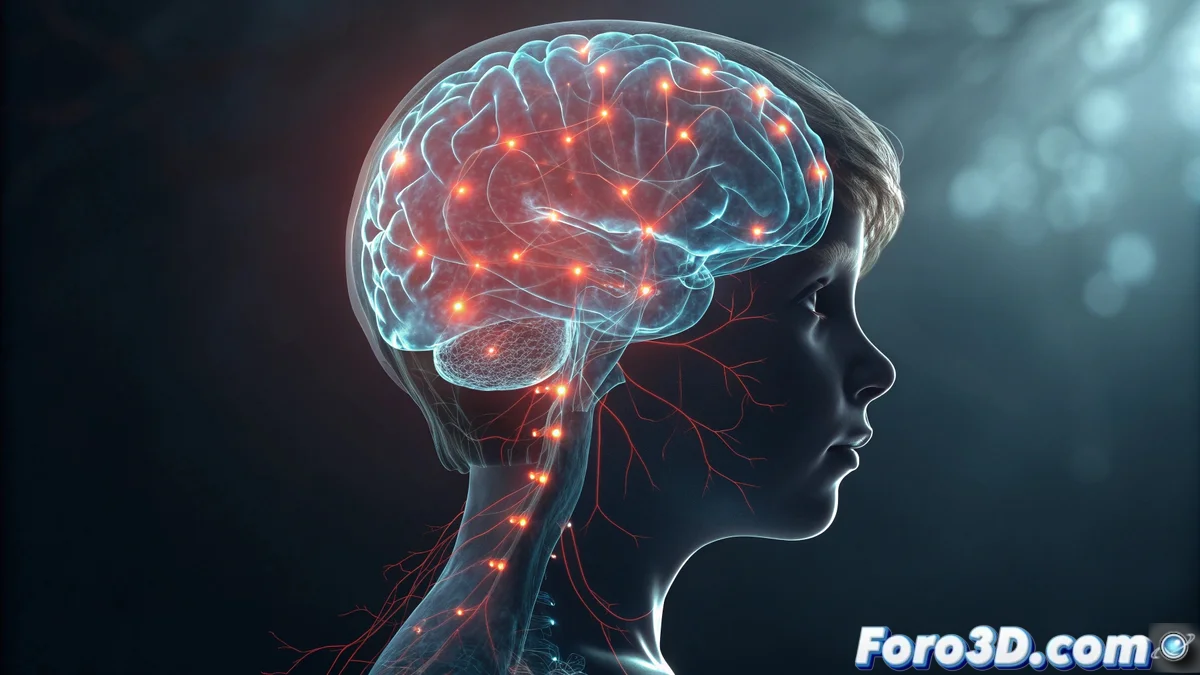
The Invisible Foundations of Childhood Mental Health
Contemporary science confirms that brain architecture is built during the first years of life, establishing emotional response patterns that will last for decades. Advanced neuroimaging studies reveal how childhood experiences physically modify key regions like the amygdala and prefrontal cortex, creating a biological imprint that influences adult mental health 🧠.
The Biological Imprint of Early Experiences
The developing brain possesses extraordinary plasticity that allows it to adapt to its environment, but this same malleability makes it extremely sensitive to adverse experiences. When a child faces chronic stress, neglect, or trauma, their alarm system is permanently recalibrated towards a state of hypervigilance. This early reprogramming alters the development of neural connections essential for emotional regulation and stress management.
Documented Neurobiological Consequences:- Reduction in prefrontal cortex volume, affecting executive control and decision-making
- Hyperactivation of the amygdala, generating intense and disproportionate emotional responses
- Alteration of the HPA (hypothalamic-pituitary-adrenal) axis, modifying the hormonal response to stress
The preventive paradox: we invest enormous resources treating adults with anxiety and depression, while underestimating the transformative power of raising emotionally resilient children.
Early Intervention Strategies
The early identification of vulnerability signals in children allows for the implementation of interventions that can redirect brain development towards healthier trajectories. Various therapeutic approaches have demonstrated the ability to remodel neural circuits affected by adverse experiences, representing the most effective opportunity to reduce the future incidence of mental disorders.
Scientifically Validated Preventive Approaches:- Play-based therapies that foster emotional expression and socio-affective development
- Child mindfulness programs that improve self-regulation and reduce emotional reactivity
- Parental support interventions that strengthen secure attachment and healthy family relationships
Towards a New Paradigm in Mental Health
The recognition of the formative impact of childhood forces us to rethink our mental health strategies. Instead of waiting to treat already established disorders, the most effective and economical approach consists of strengthening emotional foundations during the critical periods of brain development. This preventive perspective represents not only a scientific advance, but a cultural transformation in our understanding of psychological well-being 💫.