Dope Thief: when invisible effects are the best effects
In the new series Dope Thief, directed by Ridley Scott, the visual effects have a clear mission: go completely unnoticed. With 1,600 VFX shots handled by three different studios, the challenge was to create a world so real that even the dealers would doubt whether it was filmed or stolen from a news broadcast. 🎬 Here, the trees that disappear and the bullets that impact are so believable they might make you question your own reality.
In Dope Thief, if you notice the special effects, the team has failed. It's like a good con artist: the less you see it coming, the better the trick works.
Philadelphia: the city that lost its leaves (digitally)
The filming faced an unusual problem: how to maintain seasonal consistency when:
- The pilot was filmed in winter
- The rest of the episodes were shot in another season
- The trees decided not to cooperate with continuity
The solution was massive digital deforestation using Houdini, SpeedTree, and Nuke, proving that sometimes being a good VFX artist means being an excellent virtual gardener. 🌳
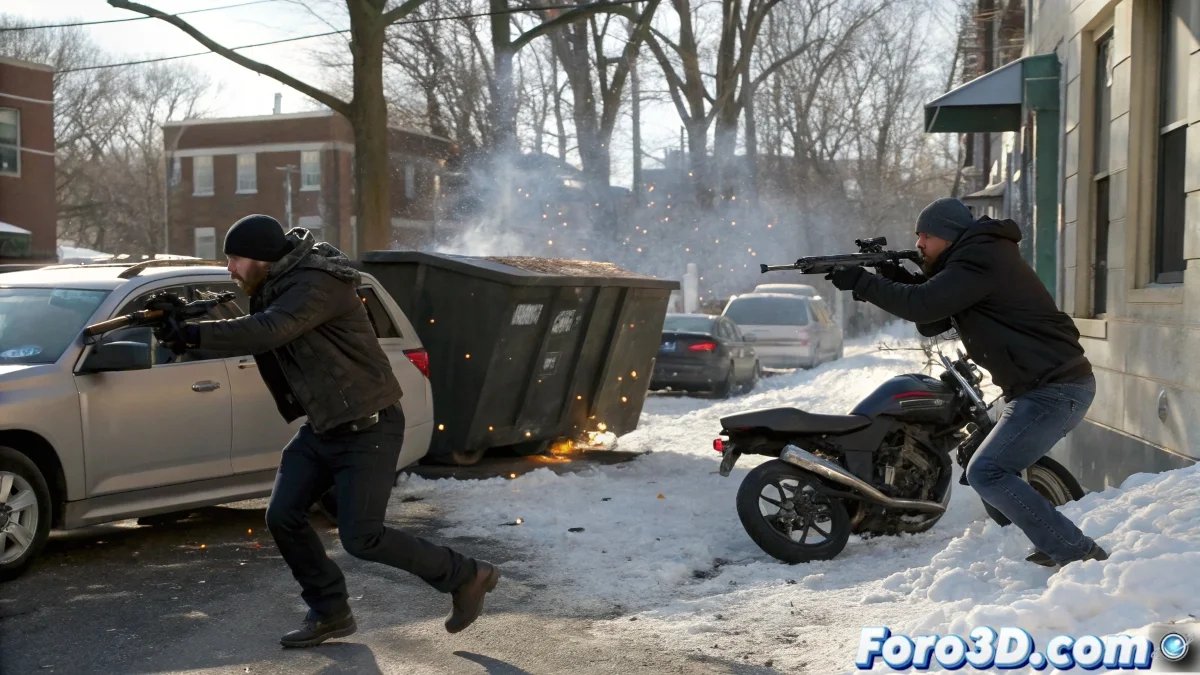
Digital Ballistics: when every shot counts
For the action scenes, the team studied real shooting range videos and created:
- A complete library of weapon effects (9mm, shotguns, rifles)
- Impact simulations on different materials
- Instancing systems to avoid noticeable repetitions
The result is bullets that not only look real, but would probably make a ballistics expert raise an approving eyebrow. 💥
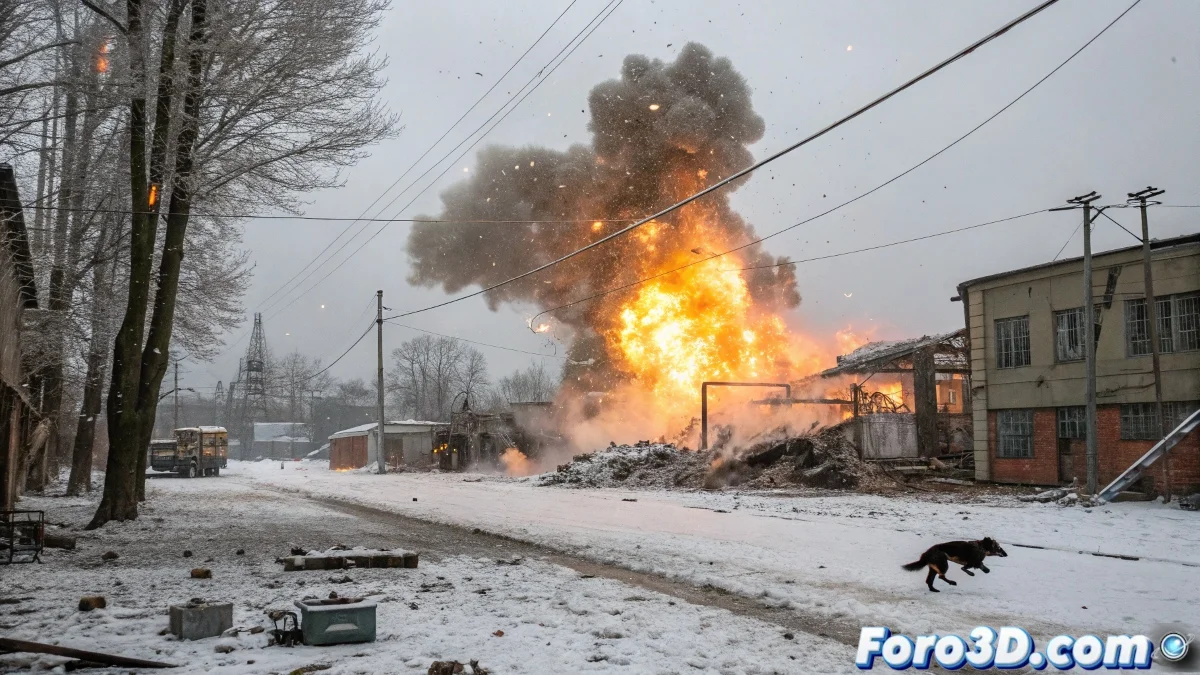
The dog that stole the scene (and other unexpected details)
In an unusual twist, one of the most memorable VFX challenges was:
- Creating realistic canine bodily fluids (yes, we're talking pee and poop)
- Integrating them perfectly with practical shadows
- Achieving that no one notices them... but everyone remembers them
Meanwhile, the flashbacks use a digital filter that distorts the image as if it were a blurry memory, proving that even the subtlest effects can tell a story.
So the next time you watch Dope Thief and wonder "is this real or VFX?", remember: that's precisely the question the team doesn't want you to ask. 😉 After all, in the world of con artists (and visual effects), the best play is the one no one sees coming.