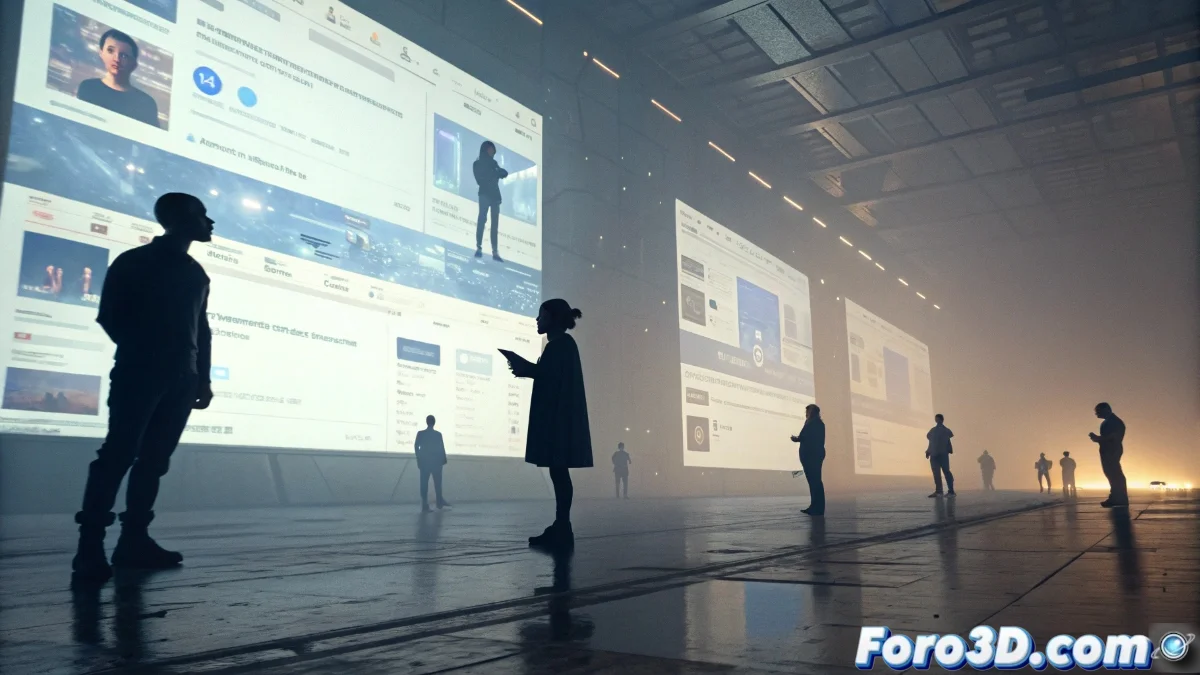
The Informational Manipulation of Bots on Social Networks
Contemporary digital platforms are immersed in a growing problem: the mass proliferation of automated accounts that systematically alter the informational flow. These specialized programs can disseminate misleading content, magnify irrelevant events, or construct narratives that benefit particular agendas, making it difficult for people to distinguish between verified facts and elaborated fiction. 🕵️♂️
Operation Mechanisms of Manipulative Bots
Automated accounts operate in a coordinated and synchronized manner to amplify predetermined messages, generating the artificial appearance of a non-existent collective agreement. They have the ability to create fictitious trends in sensitive areas such as political issues, health emergencies, or economic situations, affecting public opinion without most users perceiving the ongoing manipulation.
Common Manipulation Strategies:- Generation of false trends through massive repetition of specific hashtags
- Creation of informational ecosystems that reinforce pre-designed narratives
- Impersonation of identities to simulate authenticity in messages
The automation of disinformation represents one of the most significant challenges to the integrity of the contemporary digital space
Impact on Collective Decision-Making
The systematic distortion of reality through these automated tools directly influences crucial decisions for societies, including electoral processes and responses to public health crises. Academic research has confirmed that continuous exposure to falsified information can modify beliefs and behaviors at the individual level, even when solid contradictory evidence is presented.
Documented Consequences:- Accelerated polarization of communities and social groups
- Progressive erosion of trust in democratic institutions
- Weakening of the collective capacity for informed decisions
Shared Responsibilities and Necessary Solutions
The responsibility for this phenomenon falls on both technology corporations and end users. While platforms like Twitter and Facebook implement detection systems, the increasing sophistication of these algorithms makes them ever more complex to identify. Fostering a critical and transparent digital environment requires concerted efforts to combat the comfort of inhabiting machine-constructed alternative realities. 🤖