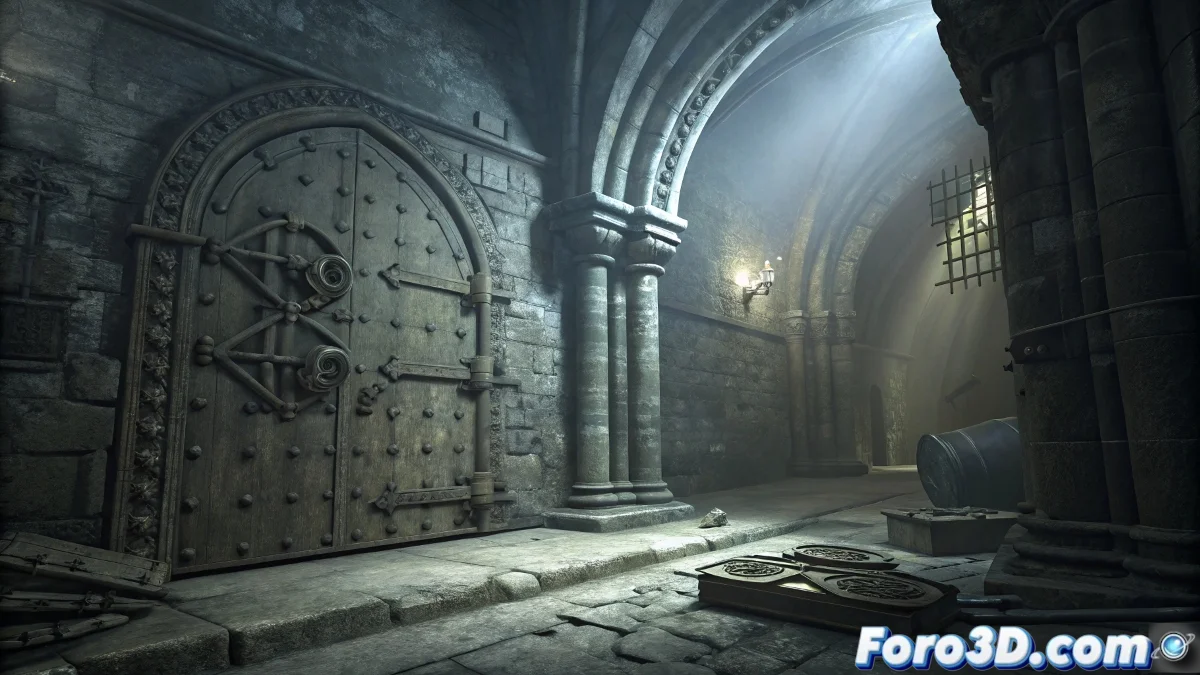
The Mystery That Challenges History and 3D Modeling
Beneath the feet of Cuenca Cathedral lies a centuries-old enigma: an underground crypt whose visible entrance has resisted all attempts at full access. For centuries, researchers and the curious have faced inexplicable obstacles when trying to penetrate its depths. 🕵️ The fascinating thing is that every technological or mechanical attempt has mysteriously failed, fueling legends about hidden protections and ecclesiastical secrets too valuable to be revealed. For the Blender community, this mystery represents the perfect challenge to digitally recreate what reality denies us from exploring.
Between History and Urban Legend
It is believed that the construction of this crypt dates back to the 13th century, specifically designed to house important relics and possibly secret documents of the local church. Over time, accounts of its inaccessibility have generated all kinds of speculation. The legends speak of ingenious traps, mechanisms that activate on their own, and even protections of a less earthly nature. 😨 The bishops who used this space seemed to know architectural and security techniques that today are puzzling for restoration and engineering experts.
Elements that fuel the mystery:- Doors that do not yield to conventional mechanical methods
- Locks modified with unknown techniques
- Accounts of unsettling sensations that deter intruders
- Absence of original construction blueprints
Recreation in Blender: When 3D Explores the Unexplorable
For 3D artists, this crypt represents a unique opportunity to combine historical accuracy with atmospheric creativity. The approach in Blender must prioritize architectural authenticity while building a visual narrative that conveys the mystery of the real space. 🏰 The key is to capture that feeling of something yet to be discovered that has fascinated entire generations. From modeling centuries-old stones to lighting that suggests more than it shows, every element helps to digitally revive this enigma.
Practical Guide: From Empty Project to Mysterious Crypt
The process begins with project setup, where organization is crucial for handling multiple architectural elements. The modeling should reflect medieval construction techniques, with special attention to the characteristic arches and vaults of the period. The aged stone textures are not just visual; they must tell a story of centuries of humidity and guarded secrets. 💻 Volumetric lighting becomes the soul of the project, creating that oppressive yet fascinating atmosphere that defines historical underground spaces.
Essential workflow in Blender:- Base modeling with precise architectural references
- Application of PBR materials for historical realism
- Setup of atmospheric and volumetric lighting
- Animation of narrative elements like resistant doors
Lighting and Atmosphere: The True Protagonists
In a recreation of this type, lighting does much more than allow sight; it generates emotions and tells stories. Strategically placed Area Lights can suggest medieval light sources like torches or candles, while volumetric rays create that effect of suspended dust so characteristic of spaces closed for centuries. 🌫️ Shadow management is equally important, using Spotlights to highlight architectural details while keeping areas in shadow that fuel intrigue.
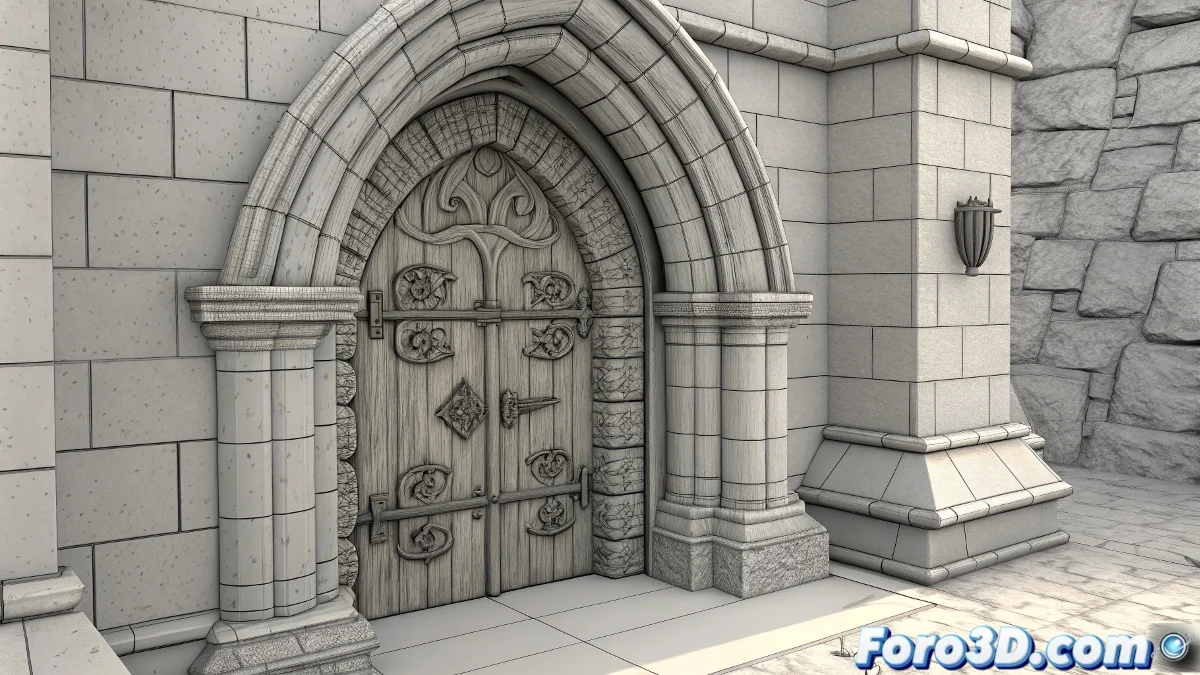
Animation and Effects: Bringing the Mystery to Life
Subtle yet significant animations elevate the recreation from a simple 3D model to a narrative experience. The movement of a door resisting to open fully, dust particles floating in invisible air currents, or even fog effects slowly drifting through the corridors. 🎬 These elements are not just technical; they are narrative tools that