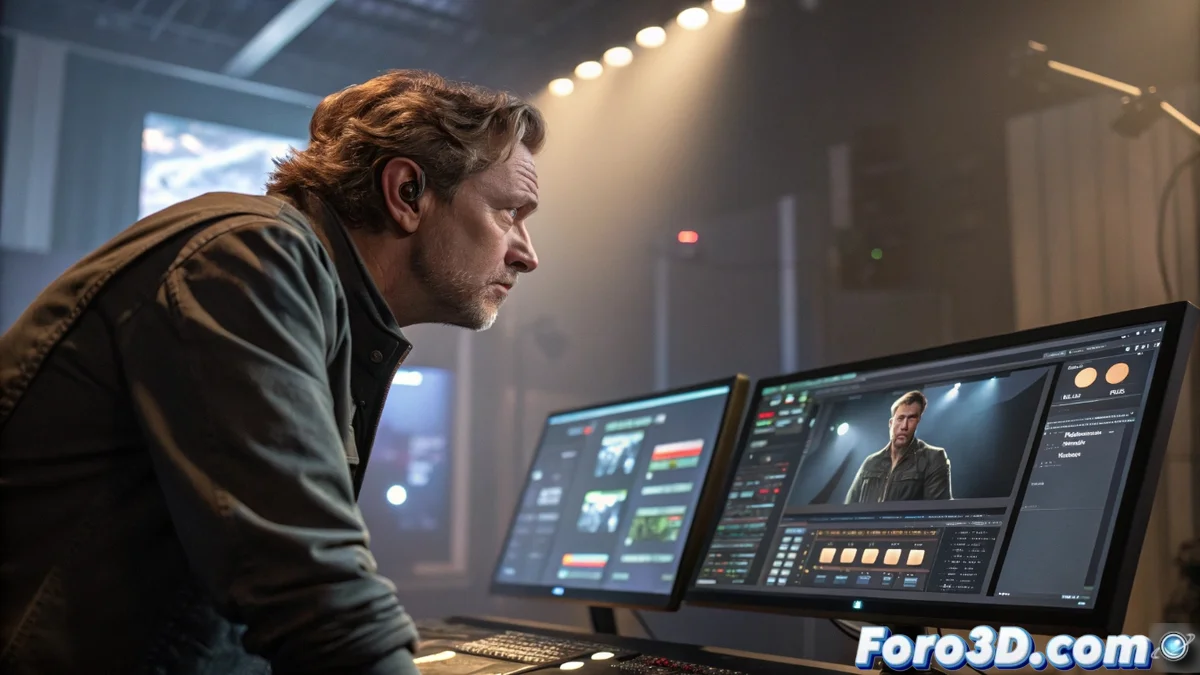
The Importance of Visual Feedback in 3D Interfaces and Video Game Development
In the field of three-dimensional design and video game creation, the immediate response of interfaces is a fundamental pillar for the user experience. When controls, buttons, and sliders do not provide visual confirmation of interactions, a perceptual gap is created that quickly leads to frustration and uncertainty about the proper functioning of the software. 🎮
Psychological Foundations of Visual Feedback
Our mind is evolutionarily conditioned to expect immediate confirmations after every action performed. When pressing a physical switch, we receive the tangible click; when interacting with touch screens, we anticipate animations that validate our gesture. This cognitive expectation intensifies in creative environments like 3D modeling or shader programming, where precision is determinant. The absence of visual signals activates brain alarm mechanisms that we interpret as system failures, interrupting the creative flow and drastically reducing productivity. 💡
Consequences of the Lack of Feedback:- Uncertainty about the correct registration of commands and actions
- Loss of confidence in the software tool used
- Frequent interruptions in complex creative processes
The need for visual confirmation is deeply rooted in our cognition, becoming a critical element for effective interfaces in digital creative environments.
Strategies for Implementing Effective Feedback
Developers can integrate multiple layers of visual response that transform the user experience. From chromatic modifications in buttons when activated to contextual loading animations, these elements create an intuitive ecosystem that the brain processes as natural. Even in complex operations like shader compilation or real-time rendering, a simple progress indicator prevents unnecessary repetition of commands by users who doubt the registration of their actions. ⚙️
Practical Solutions for Responsive Interfaces:- Color and state transitions in interactive elements
- Loading and progress animations for lengthy processes
- Sound effects synchronized with critical actions
Impact on the Final User Experience
The careful implementation of feedback mechanisms not only improves usability but also strengthens the relationship between the user and the tool. It avoids the digital equivalent of repeatedly pressing the elevator button, convinced of speeding up the process, when in reality we only wear out mechanisms and patience. In advanced digital creation environments, every micro-interaction counts, and its visual confirmation makes the difference between a smooth experience and a constant struggle against the interface. 🚀