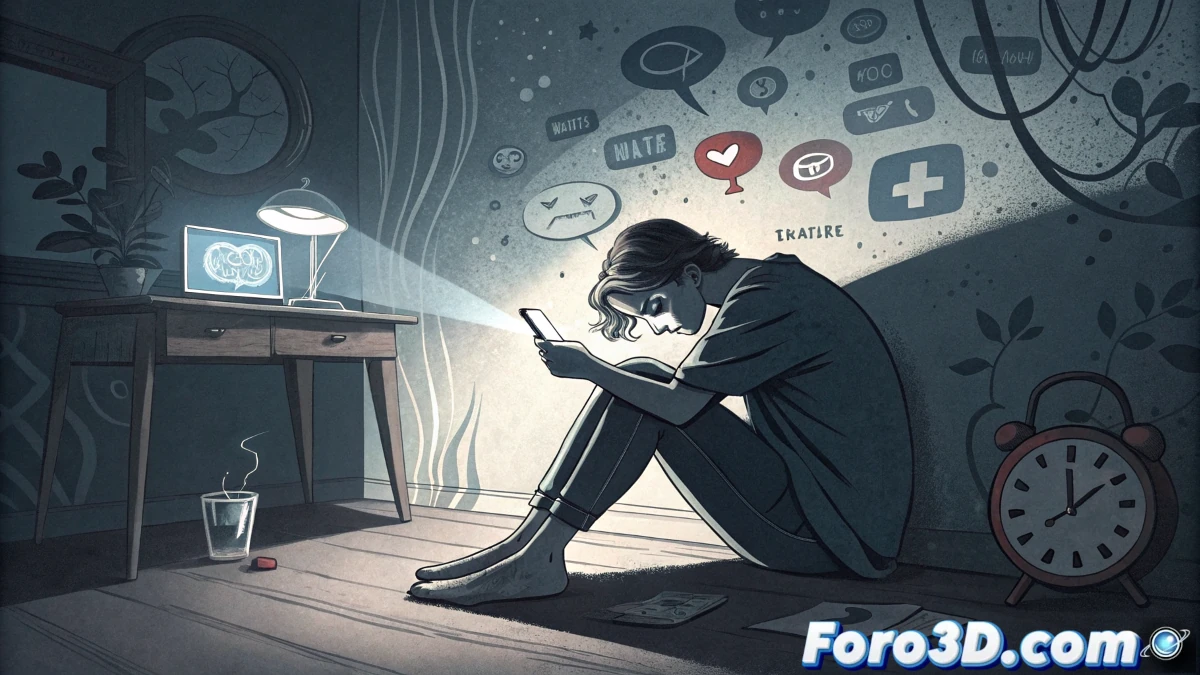
The impact of social media on mental and physical health is a increasingly debated topic. While it is not possible to determine an exact number of people affected worldwide, several diseases and health problems derived from or exacerbated by its excessive use have been identified.
Mental Health Disorders
Constant use of social media can have negative effects on people's mental health. Below are some of the most common disorders detailed:
- Anxiety: Many people experience anxiety due to the pressure to show a perfect life or compare themselves with others on social media.
- Depression: Continuous exposure to others' lives can generate feelings of inferiority and contribute to depression, especially in young people.
- Stress: Constant notifications and the need to always be connected can elevate stress levels.
"Excessive use of social media is linked to mental disorders that affect millions of people worldwide." – National Institute of Mental Health (NIMH)
Sleep Disorders
Excessive use of social media, especially before bed, is associated with difficulties falling asleep. This lack of adequate rest can significantly affect overall health and emotional well-being.
Social Media Addiction
Social media addiction is becoming a growing problem. People suffering from this addiction feel the need to constantly check their accounts, which interferes with their daily responsibilities and affects their emotional and social well-being.
Physical Problems
The impact of social media is not limited only to mental health; it also affects users' physical health:
- Muscular and Joint Pain: Poor posture from spending long hours in front of a screen can cause pain in the neck, back, and shoulders.
- Vision Problems: Prolonged use of electronic devices can cause eye strain, blurred vision, or dry eyes.
Eating Disorders
The aesthetic pressure on social media can contribute to eating disorders such as anorexia or bulimia, especially in adolescents and young people who feel pressured to meet the beauty standards imposed by the platforms.
Cyberbullying and Bullying
Online harassment is one of the most serious consequences of social media use. It affects many people, especially young people, and can cause devastating effects on mental health, leading to anxiety, depression, and even suicide.
Estimates of the Impact
Although it is not possible to determine an exact number of people affected, various studies suggest that a significant percentage of the population, especially young people, is exposed to the negative effects of social media.
- 70% of adolescents: According to the National Institute of Mental Health (NIMH), approximately 70% of adolescents between 13 and 18 years old are at risk of experiencing mental health problems related to social media use.
- 90% of young people aged 16 to 24: The majority of young people between 16 and 24 years old use social media, increasing the likelihood that they experience negative effects on their health.
While exact figures vary, millions of people, especially teenagers and young adults, are affected by health problems derived from excessive social media use, from mental disorders to physical issues.
Currently, both schools and companies face an increasingly evident moral dilemma. Despite being aware of the negative effects that excessive social media use has on mental and physical health, many of these institutions continue to promote its use.

Schools and Social Media: Education or Exposure?
Schools have adopted social media as an educational tool to interact with students, share information, and organize events. However, in doing so, the negative effects these platforms can have on young people are not fully taken into account. The constant bombardment of perfect images, the need for validation through "likes" and comments, and perpetual social comparison can trigger anxiety, depression, and even eating disorders.
The Challenge of Companies and Social Media
Companies are also caught in this contradiction. Although they are aware of the risks associated with social media, they continue to use them as a tool to promote their products and services, often without considering the harm these platforms can cause to the health of their employees and customers.
What Can Educational Institutions and Companies Do?
The first step is to recognize the negative effects of social media on people's mental and physical health. Schools must seek healthier alternatives to connect with their students, such as online learning platforms without the pressure of social exposure. Companies must also reflect on how they use these tools and promote more responsible and conscious use of them.
A Change of Focus
Institutions must focus on creating spaces that prioritize people's well-being. Social media should not be a mandatory tool or a means to measure personal value. Instead of perpetuating excessive use of social media, we must foster healthy habits that allow a balance between connectivity and well-being.
It is essential for educational institutions and companies to reflect on the impact social media has on mental and physical health. Instead of contributing to this harmful cycle, it is time to change the focus and seek alternatives that prioritize people's well-being and not superficial performance. Only then will we achieve a healthier environment for everyone.