The Impact of Real-Time Rendering on Audiovisual Production
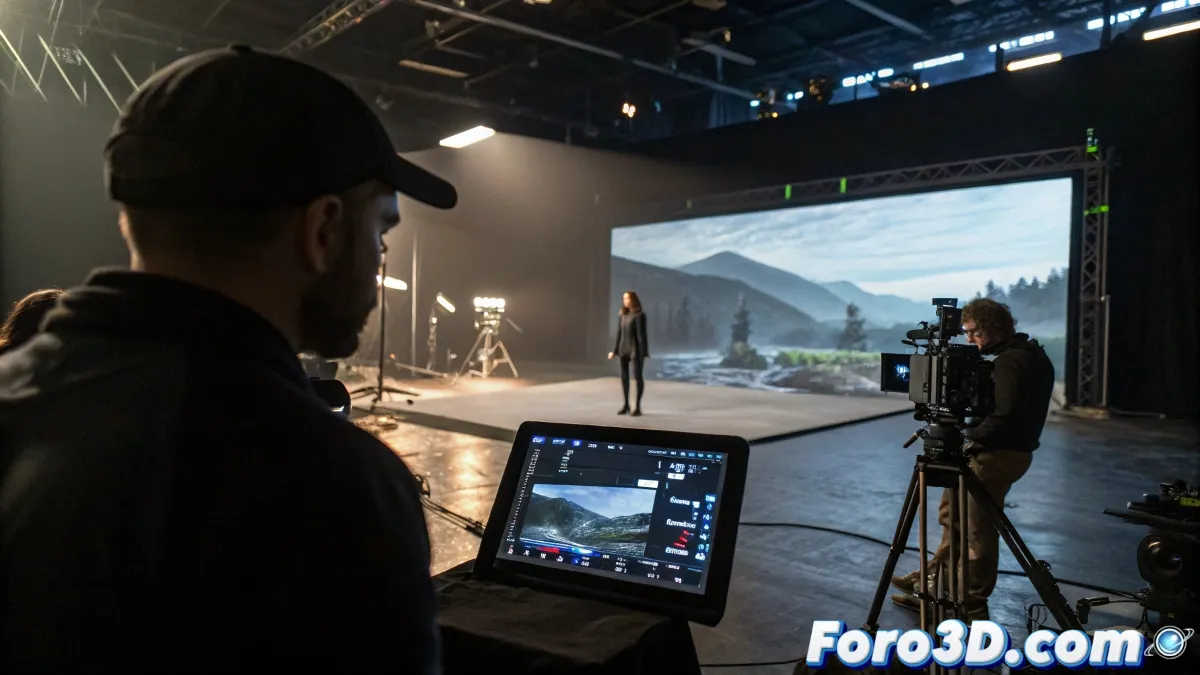
Real-time rendering has had a profound impact on modern audiovisual production, especially in the field of visual effects and cinematography. Primarily used in graphics engines like Unreal Engine and Unity, this technology has enabled production teams to create near-final images during pre-production and filming phases. Although originally linked to the video game industry, its adoption in film and television has transformed the way productions are planned and executed.
Beginnings and Evolution in the Film Industry
In its early days, the use of real-time rendering in cinema was limited and mainly reserved for scene previs. An early example of this technology occurred during the making of Star Wars: Episode I - The Phantom Menace, when it was used to create previews of complex scenes. Over the years, the technology has advanced significantly, allowing filmmakers not only to plan scenes but also to create complete virtual sets. This has optimized production costs and accelerated the creative process, leading to the creation of virtual art departments.
Filming Planning and Virtual Technology
During the production of the series The Handmaid's Tale, the use of Unreal Engine became a key element for exploring and planning locations. Due to restrictions imposed by the pandemic, the team could not physically visit the locations, so they opted to scan the scenes and recreate them digitally. This approach allowed filmmakers to virtually walk through the sets and make adjustments before starting filming. In this way, key decisions were made that facilitated production without the need for costly travel or wasted time.
Collaboration and Innovation in Virtual Environments
The use of virtual environments not only allows planning but also experimenting with visual aspects of scenes. In one of the planning sessions for The Handmaid’s Tale, director Elisabeth Moss, along with the cinematography and visual effects team, interacted with the virtual set and was able to explore different visual elements, such as adding a red light to a scene, which completely changed the atmosphere and added a new narrative layer. This ability to experiment without generating additional costs has been a major advancement for the industry.
Challenges and Optimization of Real-Time Rendering Technology
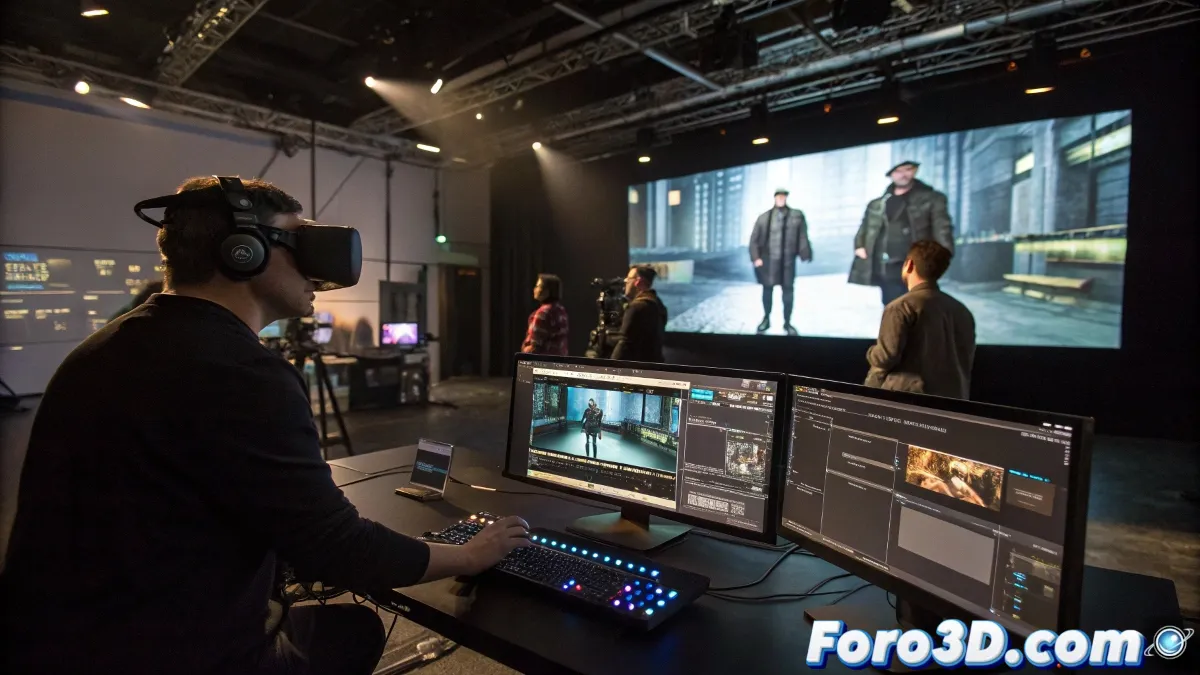
Despite the advances, the use of real-time rendering engines like Unreal Engine presents technical challenges. The complexity of these tools requires highly trained professionals, which can be an obstacle for many productions. Additionally, the idea that these technologies streamline production processes effortlessly can lead to unrealistic expectations. To address this, companies like Chaos have developed optimization solutions, such as path tracing, which allow for a balance between production speed and visual quality, improving the efficiency of real-time rendering.
The Future of Real-Time Rendering in Cinema
The future of real-time rendering is promising, and its role in audiovisual production seems increasingly fundamental. The combination of virtual production and real-time rendering is transforming the way on-screen images are created, enabling greater collaboration between teams and faster pre-production and filming phases. With the constant improvement of technology, it is likely that the use of these systems will become more accessible, becoming a standard in the film and television industry.