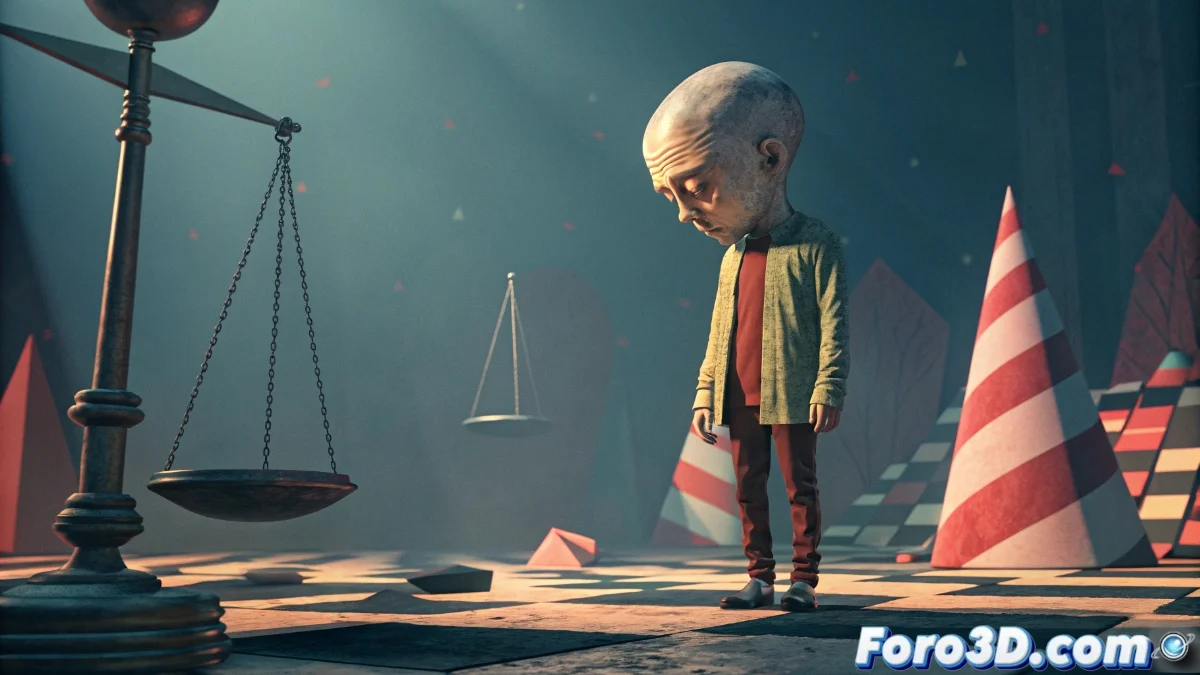
The Impact of Distorted Proportions in Graphic Design
In the world of graphic design, exaggerated or unrealistic proportions can generate an immediate rejection in those who observe the composition. This occurs because established visual expectations are broken, negatively affecting the transmission of the message and the project's credibility. Distortion causes discomfort and hinders both readability and aesthetics, especially when projecting professionalism is sought. Designers must carefully evaluate proportions to maintain visual coherence and prevent the audience from being distracted by elements that seem out of place. 🎨
Psychological Consequences of Altered Proportions
Unrealistic proportions activate adverse psychological responses in viewers, such as sensations of imbalance or rejection. The human brain is programmed to recognize harmonic patterns, and when an object or character presents exaggerated dimensions—such as heads too large in relation to the body—a cognitive dissonance is created. This hinders the emotional connection with the design, which is especially problematic in projects where empathy or identification are crucial, such as advertising campaigns or educational materials. The lack of visual harmony can lead to the message not being received as intended. 😵
Key Factors in Visual Perception:- Brain's recognition of harmonic patterns
- Cognitive dissonance generated by disproportionate elements
- Difficulty in establishing emotional connections with the design
A design with incoherent proportions is like an out-of-tune melody: even if it has interesting elements, the final result is uncomfortable and difficult to appreciate.
Strategies to Prevent Visual Rejection
To mitigate these negative effects, designers can apply proportion principles based on visual perception studies, such as the golden ratio or realistic references. Conducting user tests is essential to evaluate the acceptance of proportions before finalizing a project, allowing adjustments based on concrete feedback. In disciplines like character design or interfaces, maintaining a coherent scale with the context helps preserve usability and aesthetic appeal, ensuring the design fulfills its purpose without generating distractions. Attention to detail in proportions is a pillar for successful projects. ✅
Practical Approaches for Designers:- Apply the golden ratio and other harmonic proportion techniques
- Conduct user tests to validate design decisions
- Maintain scale coherence according to the project context
Final Reflections on the Importance of Proportion
Distorted proportions not only affect aesthetics but also compromise the communicative effectiveness of the design. Avoiding elements that seem straight out of a geometric nightmare—such as those randomly stretched or shrunk—is essential for projects seeking to convey credibility and professionalism. By prioritizing visual coherence and realistic references, designers can create compositions that emotionally connect with the viewer, thus fulfilling their communication objectives without generating rejection. The right proportion is, ultimately, a bridge between the creative idea and its acceptance by the public. 🌟