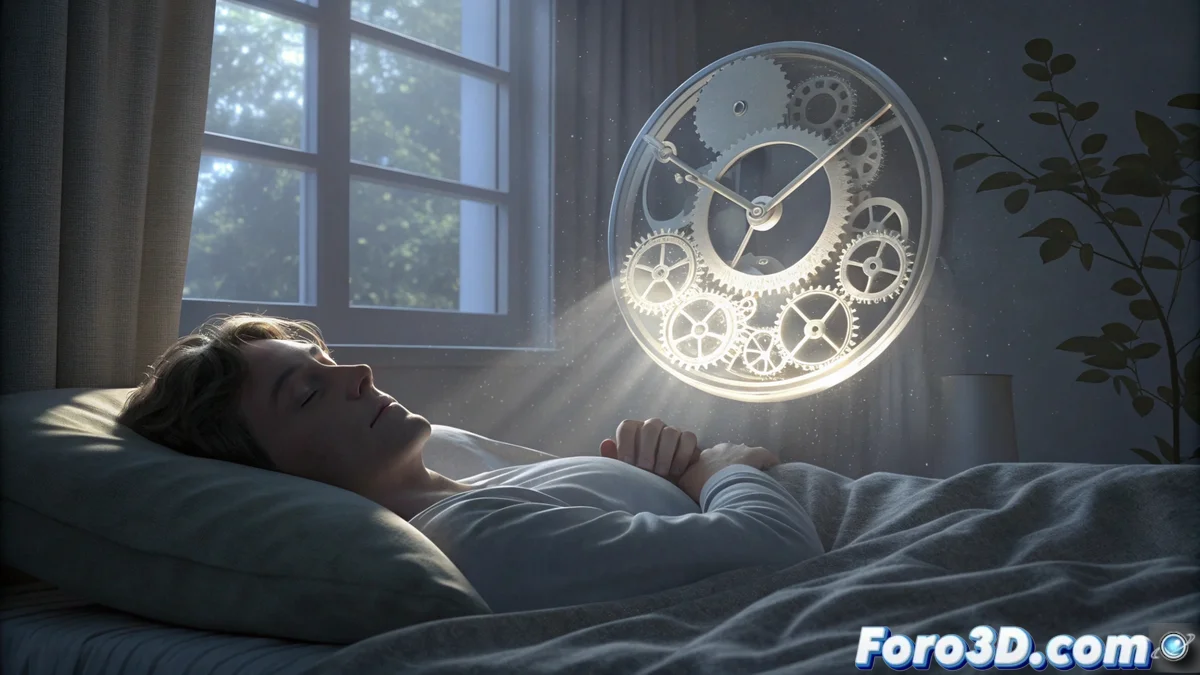
The Impact of Daylight Saving Time on Our Internal Biological Clock
Specialized medical research reveals that setting the clocks back generates a significant desynchronization in our circadian system, that internal mechanism that coordinates vital functions such as sleep, body temperature, and hormonal secretion. This temporal interference triggers immediate effects that compromise our overall well-being 🕒.
Immediate Repercussions on the Body
The circadian alteration is not limited to simple sleep disturbances, but deeply affects multiple dimensions of our physiology. Our internal biological clock responds with resistance to these imposed changes, manifesting observable consequences in our daily life.
Documented Effects:- Persistent daytime sleepiness and difficulty maintaining alertness
- Problems adapting to new rest and feeding schedules
- Notable deterioration in nighttime sleep quality and recovery capacity
Our body seems not to understand the temporal gift of an extra hour, preferring to maintain its established patterns, demonstrating that human nature does not always adjust to artificial time conventions.
Effective Strategies for Resynchronization
Controlled exposure to morning sunlight emerges as the most powerful tool to readjust our internal chronometer. Natural light acts as the primary signal that communicates to our brain the appropriate time to activate daytime functions and prepare for nighttime rest 🌅.
Practical Recommendations:- Expose yourself directly to natural light during the first hours of the morning
- Maintain regular schedules for sleeping and waking, even on weekends
- Establish predictable routines that facilitate the body's progressive adaptation
Extended Consequences of Temporal Misalignment
The disruption of the circadian rhythm transcends the realm of sleep, affecting essential metabolic and cognitive processes. Scientific studies confirm that these time alterations directly influence our work performance, concentration capacity, and emotional stability, generating states of irritability and apathy during the adaptation period that can last several days 🧠.
The Paradox of Daylight Saving Time
Although we apparently gain rest time, our biological system interprets this modification as an attack on its established temporal structure. This natural resistance demonstrates the complexity of our internal mechanisms and their preference for consistency over abrupt changes, even when they seem beneficial in theory ⚖️.