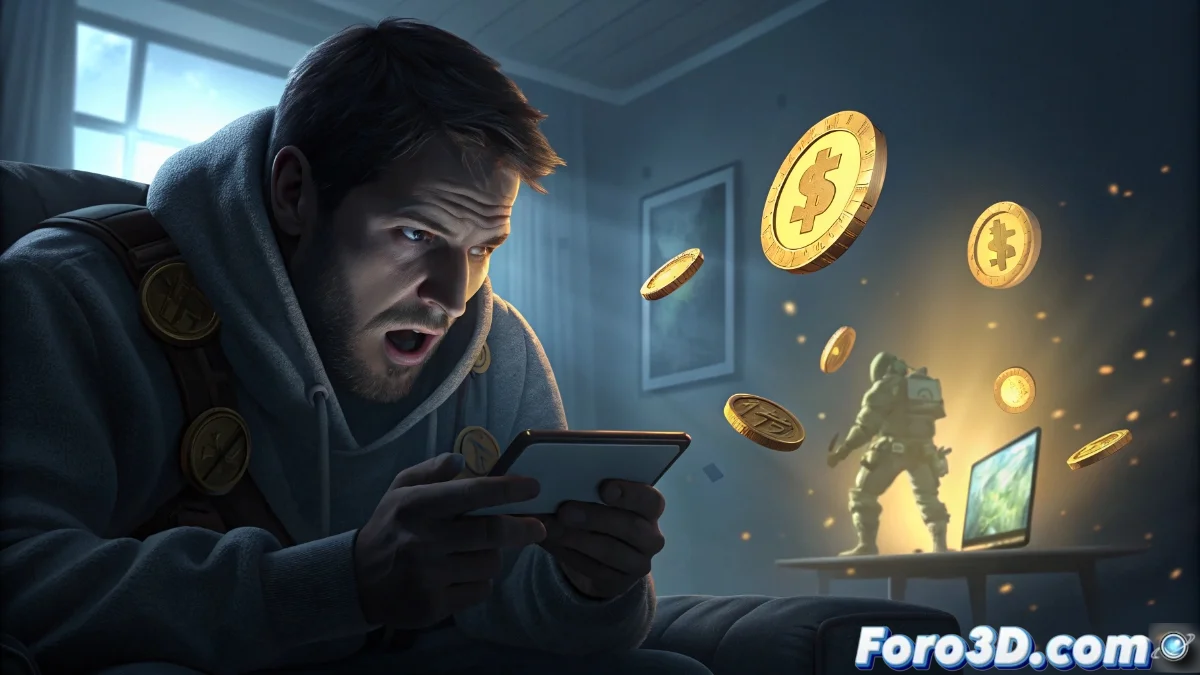
The Hidden Truth Behind Free-to-Play Video Games
Free-to-play video games are promoted as the ideal option for entertainment without an initial investment, but behind this innocent appearance hides a meticulously designed ecosystem to encourage economic transactions within the gaming experience 🎮.
Psychological Manipulation Mechanisms
Developers implement advanced behavioral economics techniques that create emotional dependency and intentional frustration. Progression systems are deliberately slowed down so that players perceive purchases as the only fast track to real advancement 🧠.
Addictive Design Strategies:- Artificial timers that unnecessarily extend waiting times
- Programmed scarcity of essential resources for progress
- Limited rewards that generate anxiety about missing content
The industry has normalized paying to skip waits, convincing us that it is a feature when in reality it is an intentional design flaw
The Real Cost of Free
Upon examining the underlying economy of these systems, we discover that many users end up investing considerably more than what a traditional premium title would cost. Recurring subscriptions, battle passes, and virtual currency packs create a cycle of continuous spending 💸.
Elements that Increase Spending:- Constant social comparison between paying players and those who don't
- Premium content locked behind artificial barriers
- Fragmented progression that divides the complete experience
Consequences in the Gaming Community
These models create a palpable community division between those who can afford to progress quickly and those who must settle for a limited version of the promised experience. What starts as casual fun transforms into a psychological minefield where every monetary decision directly affects the quality of entertainment 🎯.