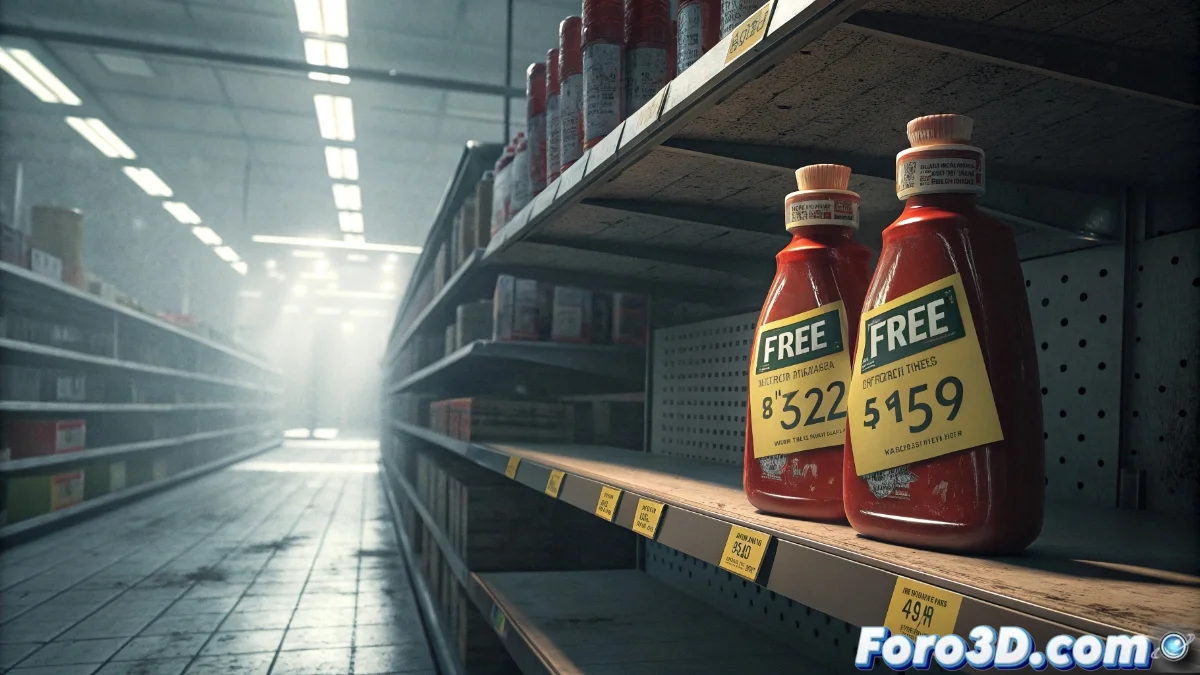
The Hidden Truth Behind Buy One Get One Free Promotions
These apparently generous promotions that offer a second product for free are usually meticulously designed commercial strategies to maximize profits while creating an illusion of immediate benefit for the consumer. 🎯
The Psychology Behind the Commercial Lure
Our brain responds in an emotionally intense way to the word "free," activating immediate reward mechanisms that reduce our critical analysis capacity. Retailers know this psychological vulnerability perfectly and exploit it through merchandising techniques that highlight the supposed gift while disguising the inflated price of the main product. 📈
Psychological mechanisms exploited:- Activation of the brain's reward system in response to "free" stimuli
- Creation of false urgency through time-limited offers
- Redirection of attention toward the apparent benefit and away from price analysis
The average consumer, focused on the free item, rarely investigates if the base price has been recently modified or compares it with the product's historical values.
Mathematical Analysis of the Supposed Savings
Upon carefully examining the real numbers, we discover that the unit price during these promotions frequently exceeds the real market value. If an item normally costs 10€ and during the offer appears at 18€ with the second one free, we pay 9€ per unit instead of 10€, a minimal saving that justifies the impulsive purchase. The problem arises when the base price is artificially raised to 22€ for the promotion, making each unit cost us 11€, resulting in more expensive than under normal conditions. 🧮
Numerical manipulation strategies:- Artificial inflation of the base price before the promotional launch
- Calculations designed to show minimal savings that justify the purchase
- Concealment of the product's real historical price
The Special Case of Perishable Products
These commercial strategies are particularly effective with seasonal or perishable products, where retailers need to clear inventory quickly. They make you believe you're receiving a gift when in reality you're helping solve their stock problem, sometimes paying more than the real value of those products. It's like applauding when they charge you to take out someone else's trash, a commercial exchange disguised as a benefit. ⏳