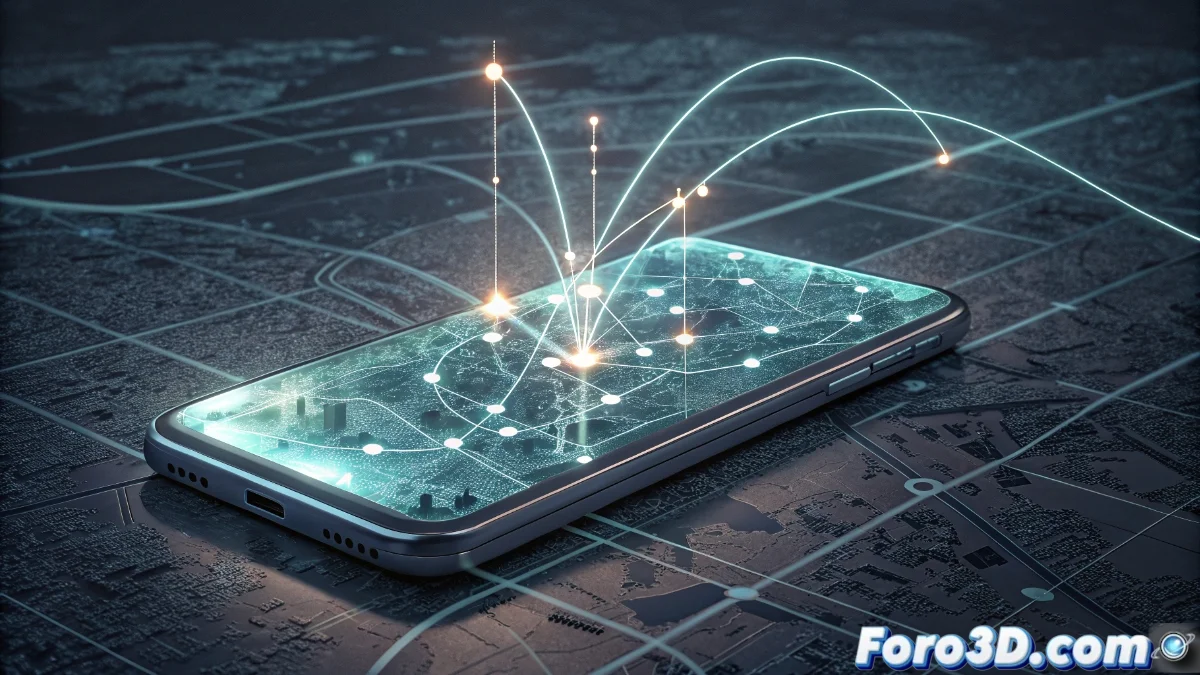
The Hidden Truth About Turning Off Mobile Phones
Numerous owners of smart devices experience a disturbing revelation when they discover that their devices continue communicating with external networks even after performing a complete shutdown. This reality raises profound questions about digital privacy and the true control we exert over our personal technology. 📡
The Myth of Total Shutdown
When you press the conventional power button, your smartphone does not disconnect completely as one might expect. In reality, it enters an advanced hibernation state that keeps certain specialized circuits operational for specific functions. Manufacturers justify this implementation as a security measure that enables anti-theft geolocation, system updates, and remote reactivation capability.
Components that never rest:- Location circuits that maintain communication with cell towers and nearby WiFi networks
- Connectivity modems that operate on battery energy reserves
- Specialized tracking chips for transmitting positioning signals
The technological paradox: we own devices so intelligent that they autonomously decide when to truly disconnect, while we continue to believe in the illusion of absolute control through a simple button.
The Architecture of Permanent Connectivity
The residual power system allows critical components to maintain a minimum level of operativity, explaining why location services can report the last known position of a supposedly disconnected device. This capability creates the illusory sensation that our phones never fully separate from the digital ecosystem, even when they visually appear inactive.
Functions that persist after shutdown:- Transmission of geolocation coordinates to central servers
- Reception of commands for remote system reactivation
- Monitoring of signals for critical security updates
Reflections on Technological Control
The fundamental irony lies in the fact that we acquire advanced technology for our benefit, but end up with devices that make autonomous decisions about their own operational state. The traditional power button has transformed its original meaning, becoming a switch that primarily limits our interaction with the device, but not necessarily its connection to the outside world. True disconnection has become an increasingly elusive technological privilege. 🔒