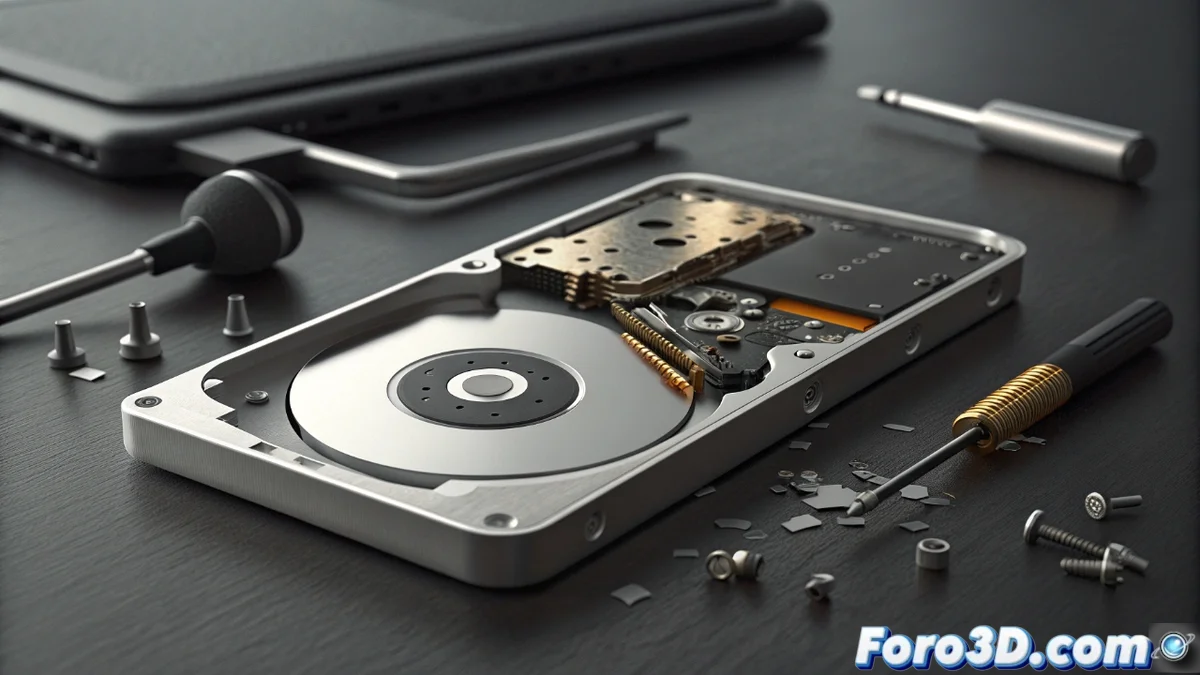
The Hidden Fragility of the iPod Classic: When Nostalgia Collides with Obsolete Technology
The iPod Classic symbolizes an era when music resided in devices with mechanical storage, a technology that over the years has demonstrated its inherent limitations. These players relied on extremely sensitive moving physical components prone to progressive deterioration 🎵
Technical Vulnerabilities of Classic Hardware
The mechanical hard drives incorporated in these devices contain moving parts that inevitably wear out with use. Any impact or sudden movement can damage the read heads or scratch the magnetic platters, irreversibly compromising access to the stored music library.
Critical Durability Issues:- The read heads are extremely fragile and susceptible to damage from vibrations or drops
- The rotating platters can develop bad sectors over time, losing music data
- The battery soldered directly to the motherboard makes replacement impossible without specialized technical knowledge
It is paradoxical that a device created to last, with its robust metal chassis, ends up being a victim of the fragility of its own storage technology
Accelerated Obsolescence by Design
Apple implemented a philosophy of extreme integration that makes user repairs extremely difficult. Essential components like the integrated battery and storage unit were designed as non-replaceable without specialized tools.
Factors Contributing to Obsolescence:- 30-pin connector discontinued, incompatible with modern accessories
- Lack of official support for old hardware from Apple
- Inevitable battery degradation after repeated charge cycles
The Legacy of the Classic in the Current Digital Era
Despite its technical limitations, iPod Classic owners maintain an emotional attachment to these devices, valuing their massive storage capacity and simplified interface. However, technological reality forces migration to flash storage solutions or streaming services, leaving the Classic as a nostalgic relic in a digital world dominated by permanent connectivity and solid-state components.