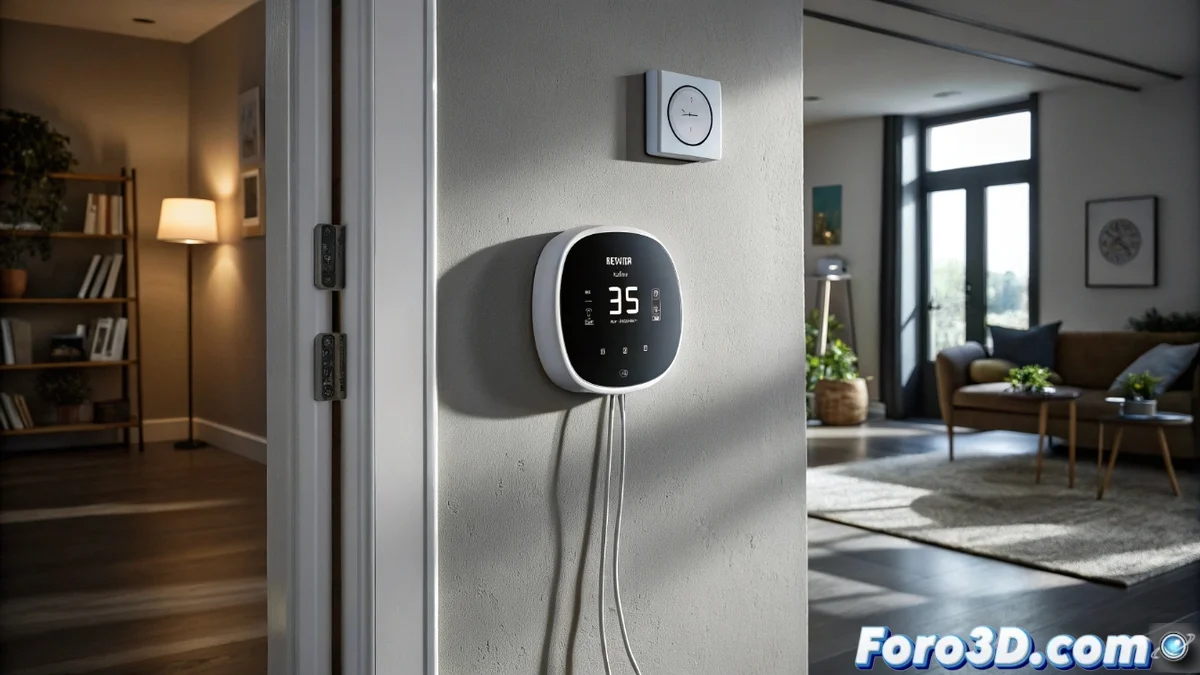
The Hidden Fragility of Smart Thermostats
Smart thermostats have revolutionized home climate management, but their apparent sophistication hides a critical dependency on external infrastructures. Popular brands like Nest and Ecobee require constant connection to remote servers to offer their advanced features, creating a single point of failure that many users are unaware of. 🔧
When Technology Turns into a Brick
The phenomenon known as bricking occurs when the manufacturer's servers fail or a software update goes wrong. In these scenarios, the device can completely lose its smart functionality, reducing to a basic thermostat or becoming totally unusable. This vulnerability particularly affects older models whose support has been discontinued.
Most frequent problems:- Permanent disconnection from corporate servers that makes remote control impossible
- Faulty firmware updates that lock the device without recovery options
- Progressive loss of cloud functions when the manufacturer decides to end the service
It is paradoxical that a device designed to control your environment ends up controlling your frustration when it fails due to software issues.
Strategies for Aware Users
Informed choice becomes the best defense against these risks. Opting for devices that work locally without dependency on external servers, or selecting brands with clear long-term support commitments, can make the difference between a durable investment and an obsolete device.
Practical alternatives:- Look for manufacturers that offer emergency modes for basic operation without connection
- Prioritize devices with open-source software or compatibility with open standards
- Thoroughly review privacy policies and guaranteed technical support duration
Towards More Autonomous Climate Control
Technological independence is becoming a crucial factor when selecting devices for the smart home. As long as manufacturers do not guarantee service continuity beyond the product lifecycle, consumers must value options that preserve basic functionality even when cloud services fail. The true intelligence of a device could be measured by its ability to function when everything else fails. 🏠