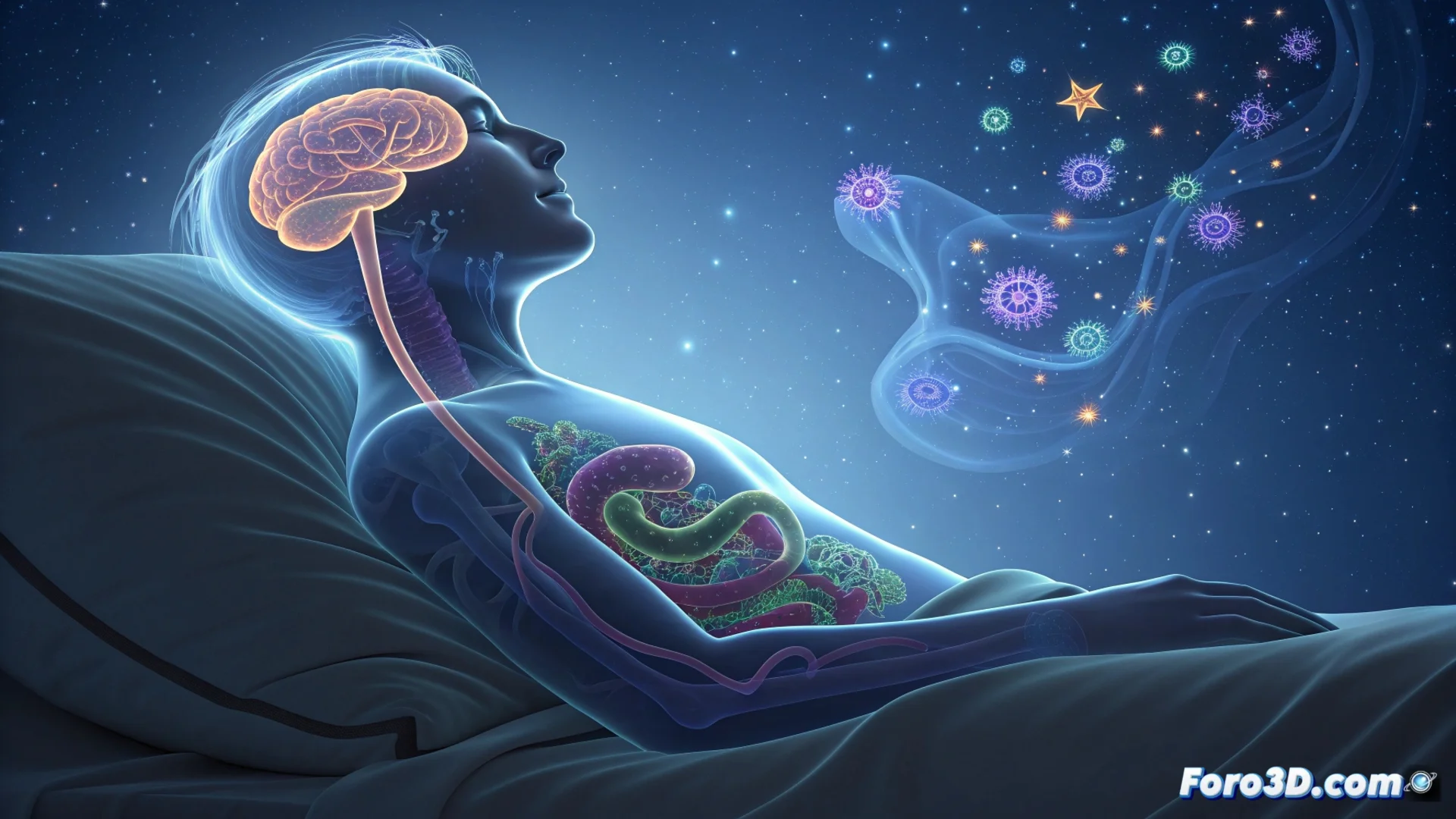
The Gut-Brain Axis Regulates How We Sleep
Scientific research delves into the link between bacterial communities in our gut and our rest patterns. 🧠 Studies reveal that the gut microbiome can directly modulate sleep-wake cycles. This constant dialogue, known as the gut-brain axis, functions as a biochemical highway where metabolites and neurotransmitters produced by bacteria travel and influence the central nervous system. Understanding this axis is fundamental for addressing sleep disorders from a new perspective. 🔬
Diet Shapes Your Microbiota and Defines Your Rest
The foods you consume determine which bacterial species dominate in your gut. A diet abundant in prebiotic fiber, found in vegetables and whole grains, nourishes bacteria that ferment these compounds. This process generates short-chain fatty acids, compounds with anti-inflammatory effects that can facilitate deeper and more restorative sleep. Conversely, dietary patterns high in sugars and unhealthy fats tend to disrupt microbial balance, which correlates with fragmented and less consolidated sleep.
Key Actions of the Microbiota on Sleep:- Produce Neurotransmitters: Some bacteria synthesize serotonin and GABA, substances directly involved in regulating mood and promoting relaxation.
- Generate Regulatory Metabolites: Short-chain fatty acids, such as butyrate, can cross the blood-brain barrier and affect brain function and circadian rhythms.
- Modulate Inflammation: A balanced microbiome helps control systemic inflammation, a known factor that disrupts normal sleep patterns.
The future of insomnia management may involve analyzing and modifying our internal intestinal ecosystem.
Towards a Personalized Approach to Sleep Better
Advances in this field point to developing personalized nutritional strategies. The goal goes beyond simply increasing sleep hours; it seeks to optimize its architecture and restorative quality. In the near future, analyzing an individual's microbiota profile could enable the design of tailored dietary plans. These plans would specifically aim to enrich bacterial strains that favor a healthy circadian rhythm and the production of sleep-inducing substances.
Potential Future Applications:- Specific Probiotics: Supplements designed with bacterial strains that research links to improving sleep latency or continuity.
- Dietary Advice