The Guaxa: the vampiric old woman from Asturian folklore
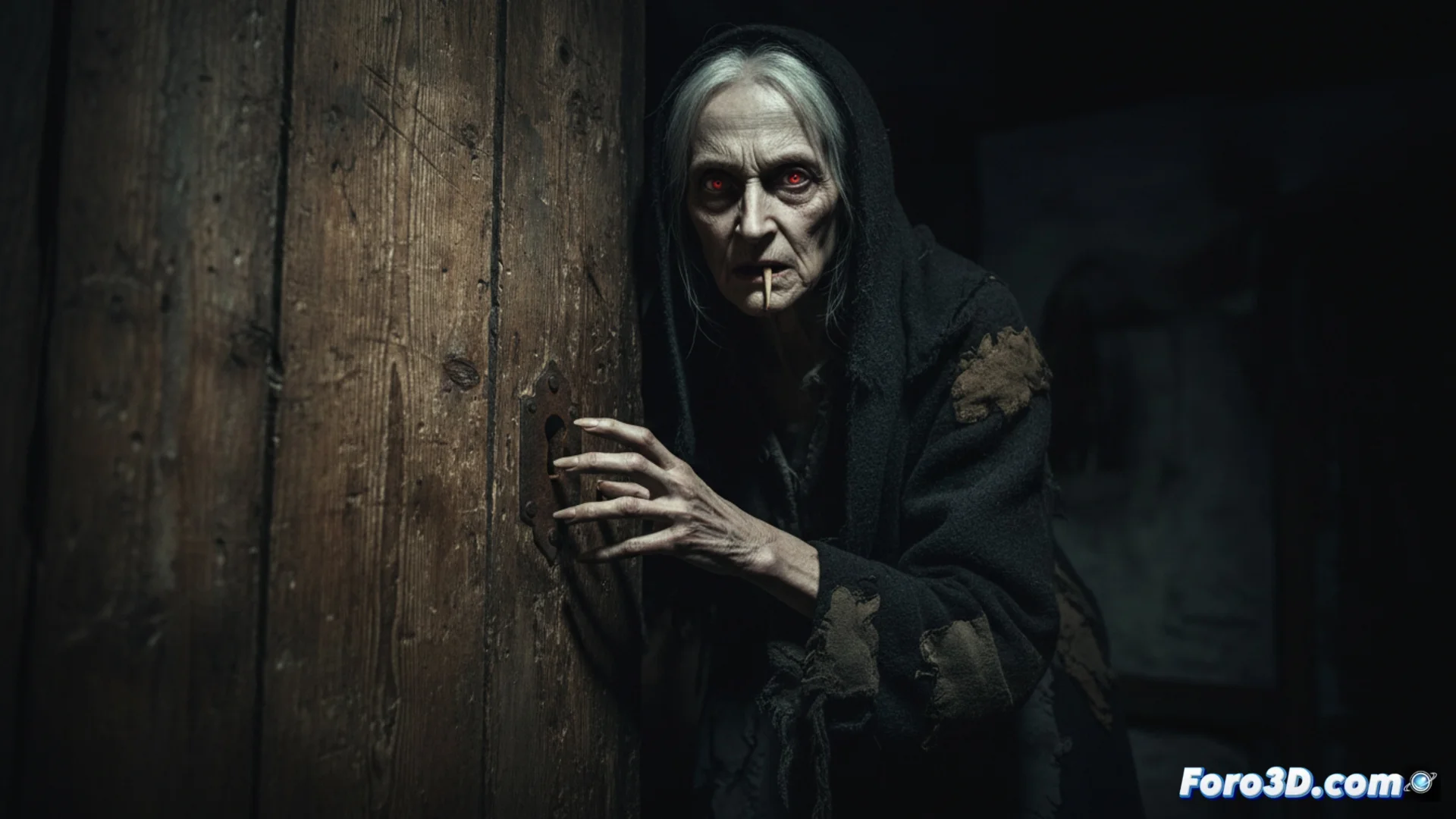
In the Asturian collective imagination dwells a fearsome creature: the Guaxa. She is described as an old woman with a skeletal and emaciated appearance, with yellowish-toned skin and a single prominent fang. Her legend, rooted in the mining valleys, was passed down to warn the little ones. 🧛♀️
The nature and abilities of the Guaxa
This being is not a common vampire. She possesses the magical ability to shrink her body to slip through the eye of a keyhole. Her goal is to infiltrate homes at night to approach the cradles. There, she uses her tooth to extract the blood of sleeping babies, an act that weakens the children and can have a fatal outcome. Her method is stealthy and takes advantage of the darkness.
Main characteristics of the legend:- Appearance: Thin, bony old woman with sallow skin and a single sharp tooth.
- Habitat: Valleys and mining areas of Asturias.
- Modus operandi: Shrinks, enters through keyholes, and attacks sleeping children.
In an era without electronic locks, the best security system against vampires was a well-turned key.
A symbol of a community's fears
Folklore experts point out that this myth was not just a scary story. The Guaxa personified the deep fears of the mining communities of the 19th and 20th centuries. She embodied the dread that children would fall ill, malnutrition, and the high infant mortality rate. The way death visited homes, silently and incomprehensibly, is reflected in this old woman's stealthy attack. The legend served to make sense of everyday tragedies.
What the Guaxa represented:- The fear of illness and sudden death in childhood.
- The vulnerability and harsh living conditions in the mining basins.
- A folkloric explanation for losses that were difficult to understand.
The persistence of the myth in current culture
Although living conditions improved, the Guaxa did not disappear from oral tradition. Her figure endures in folk songs, is represented in regional festivals, and appears in Asturian literary works. For many people, it no longer inspires real fear, but has become an identity element. Her story is now told more as a cultural legend than as a credible superstition, a symbolic reminder of a past marked by hardship. Her legacy demonstrates how folklore evolves with society. 🏔️