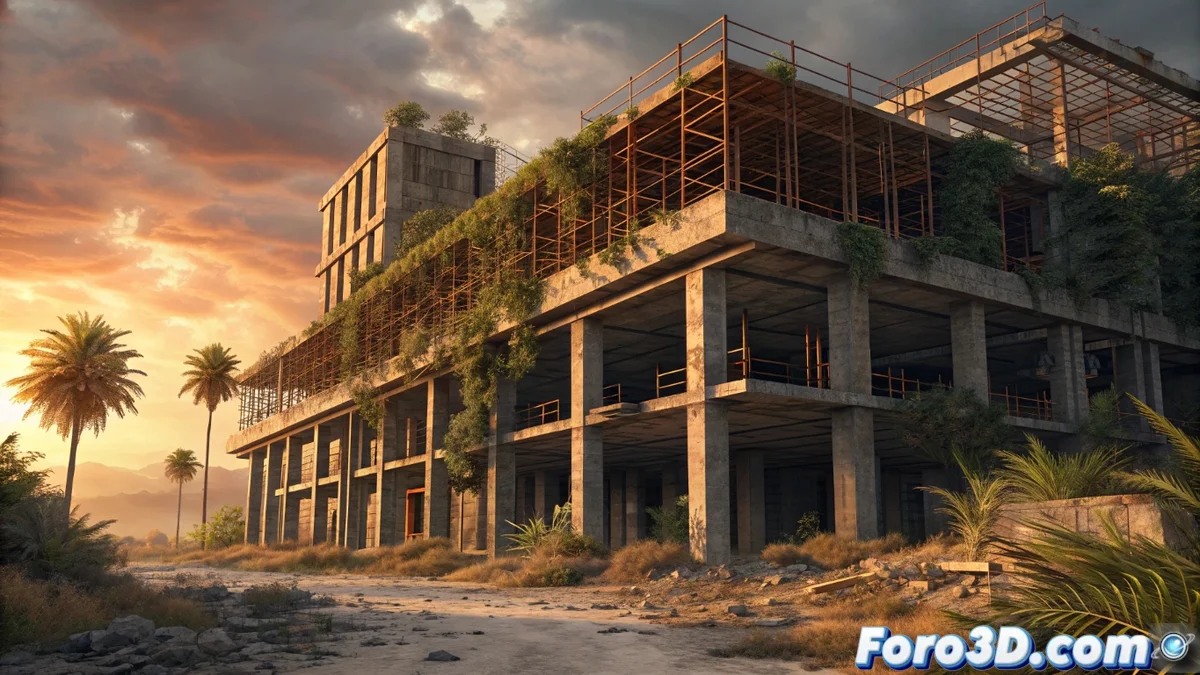
Granada Plaza Shopping Center: A Monument to Interrupted Urban Dreams
In Granada's urban landscape, a monumental structure remains in a state of perpetual pause. The Granada Plaza shopping center stands not as a beacon of consumption, but as an architectural testament to truncated aspirations. This concrete and steel colossus, conceived in an era of optimism, is now a canvas for rust and the advance of nature, encapsulating a complex chapter in urban planning in Spain. 🏗️
Genesis of an Ambitious Vision
The project's foundations were laid at the beginning of the millennium, driven by a desire for economic revitalization and modernization. Architects and urban planners designed a multifunctional space that would integrate commerce, offices, and entertainment areas, seeking a synthesis between the avant-garde and Andalusian identity. With initial backing from local investors and municipal permits, construction advanced, promising an engine for employment and development. However, this initial momentum faced growing obstacles.
Factors Leading to Stagnation:- Bureaucratic Complexity: Accumulated delays in obtaining licenses and final approvals.
- Global Financial Crisis: The 2008 economic contraction dried up funding sources and altered viability projections.
- Market Reevaluation: Changes in consumer habits and commercial saturation led to rethinking the original business model.
This forgotten giant is the best ironic reminder that even the grandest plans can succumb to bureaucracy and time.
The Aftermath of Abandonment in the Urban Fabric
The halt transformed the site into something different from its original purpose. The unfinished structure, with its empty floors and openings to the sky, has been reclaimed by unforeseen urban dynamics. Weeds push through the joints, while the space attracts urban explorers and artists who see its walls as a canvas for ephemeral expressions. This phenomenon illustrates how a planning failure can generate an alternative social ecosystem, though not without risks.
Concrete Impacts of the Unfinished Project:- Visual and Symbolic Wound: The building's skeleton has become a constant physical reminder of unfulfilled promises to the community.
- Lost Economic Opportunity: The anticipated jobs and commercial activity never materialized, affecting the local economy.
- Reconfiguration of Space Use: From a controlled leisure project, the place has evolved into an informal, almost archaeological exploration zone.
Reflection on the Legacy of the Unfinished
The Granada Plaza case transcends the mere anecdote of a stalled project. It stands as a case study on the limits of urban ambition when colliding with economic and administrative realities. More than a simple failure, its presence raises questions about managing failed urban heritage and the identity of a city that coexists with the ghosts of its own development. Its future remains an unknown, but its present already tells a powerful story of resilience, oblivion, and the irony of interrupted progress. 🏚️