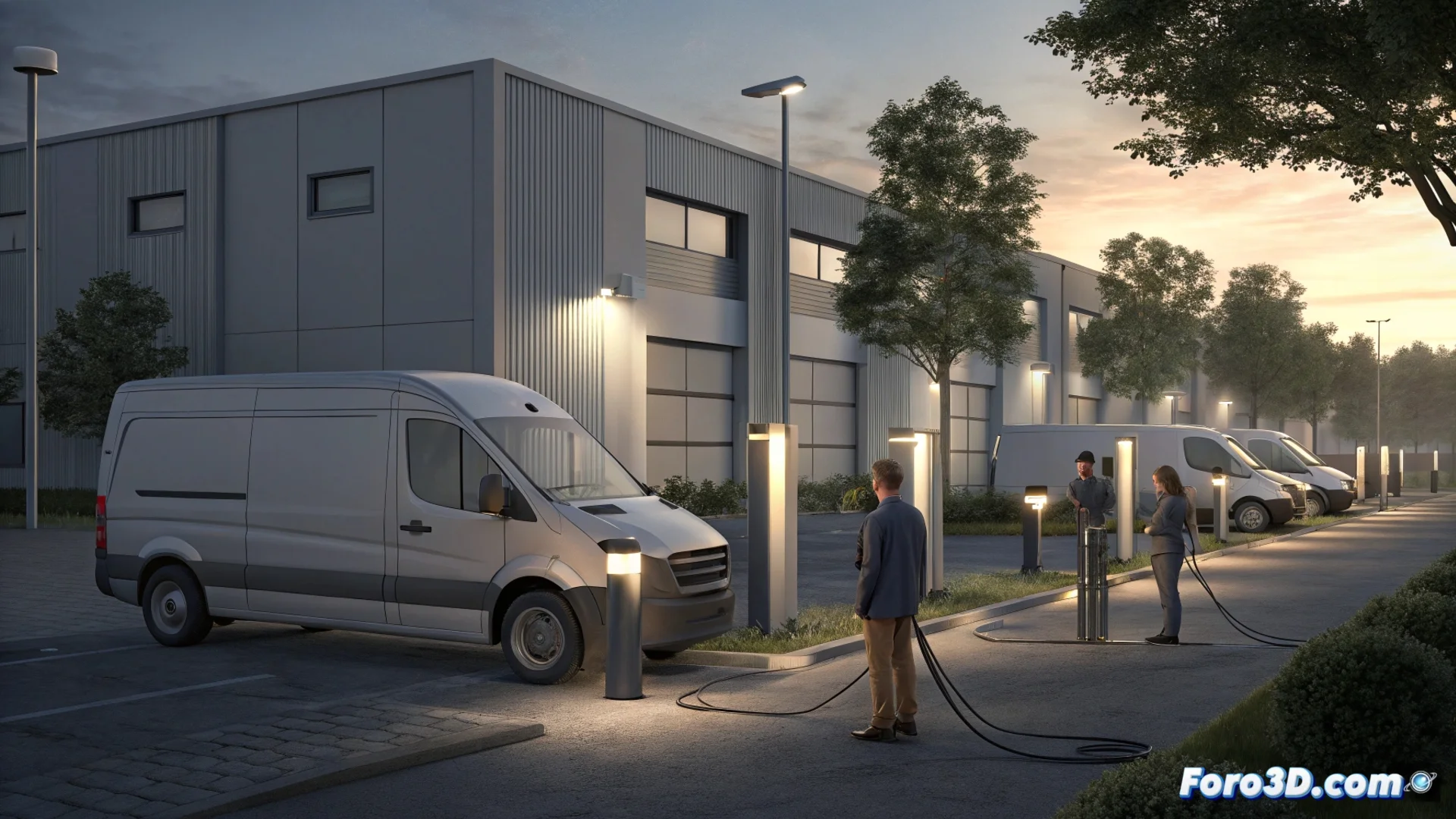
The government boosts professional electric mobility with direct subsidies
The executive has unveiled a concrete strategy to accelerate the shift toward zero-emission mobility in the business sector. This new package of measures is structured in two clear lines of action: facilitating companies to renew their vehicles and expanding the charging network in workplaces. The focus is on self-employed workers, SMEs, and large corporations operating with vans and light commercial cars. 🚐⚡
Instant bonuses for purchasing clean vehicles
Companies that choose to replace their combustion vehicles with electric or hydrogen alternatives will receive an immediate discount. The mechanism is activated directly at the dealership, which applies the price reduction and then manages the reimbursement with the administration. This system aims to streamline the process and avoid companies having to make a large initial outlay.
Key details of the renewal program:- The subsidy amounts vary depending on the vehicle model and its pollutant emission levels.
- The process is designed to eliminate bureaucracy and long waiting times to receive the grant.
- It is specifically aimed at modernizing professional fleets, prioritizing environmental and operational impact.
The goal is clear: renewing a fleet with electric technology should be an agile and financially attractive process for any company.
Subsidies for deploying charging points at work
The second axis of the plan consists of economically incentivizing the installation of charging infrastructure. Installing chargers will be subsidized both in industrial warehouses and in residential communities, so that vehicles can refuel energy during the workday. Priority is given to installations with more than 7 kW of power, which allow recharging batteries in less time.
Features of the infrastructure subsidies:- The deployment will focus on industrial parks and company parking lots, key points for professional mobility.
- Vehicle corridors can also access these subsidies if they facilitate the sale of second-hand electric cars.
- The goal is to install thousands of new charging points to serve commercial fleets.
The pending challenge: the cost of energy
Despite the economic boost for purchasing vehicles and installing chargers, one critical factor remains to be resolved: the price of electricity. There is a risk that, if electricity companies increase tariffs too much, recharging a vehicle at the company could be more expensive than refueling gasoline or diesel at a service station. This aspect will be decisive for the transition to be truly economically viable for companies. ⚠️🔌