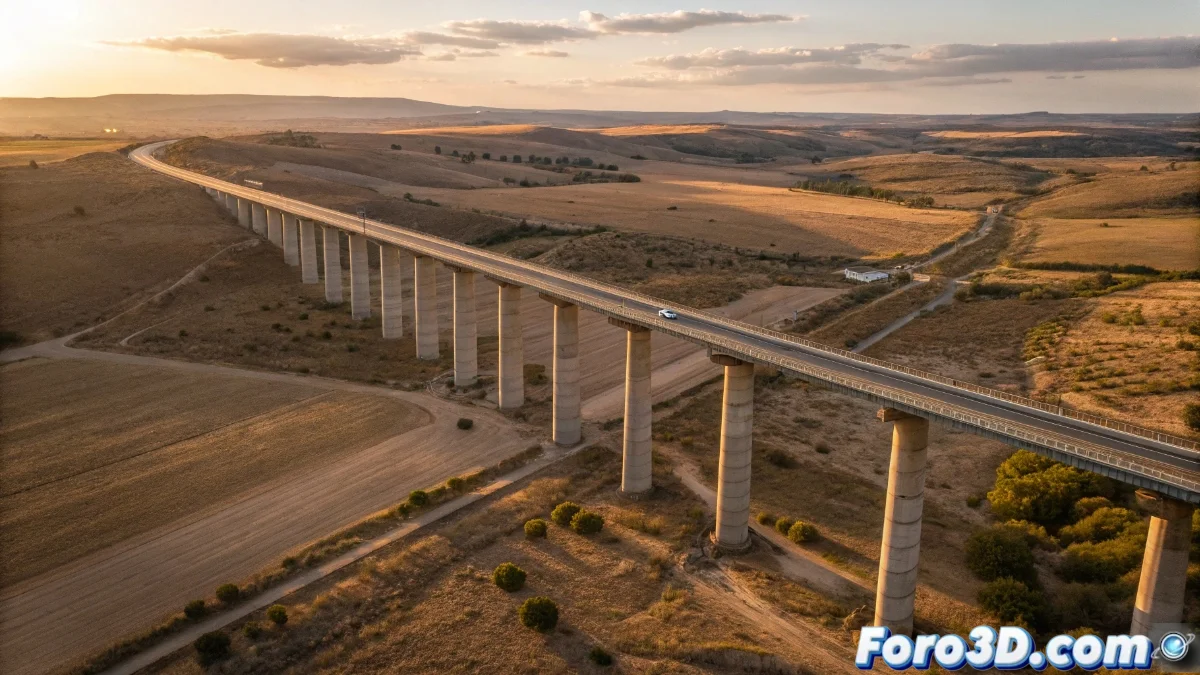
The Ghost Highway of Castilla-La Mancha: Abandoned Viaducts on the A-40
The landscape of the Castilla-La Mancha Highway, identified as A-40, presents an almost surreal scene where colossal concrete structures emerge in the middle of nowhere. These viaducts and elevated passes, conceived with great ambition, remain frozen in time after multiple interruptions in their construction. The result is a network of ghost infrastructures that stretches across the Castilian-Manchegan countryside, constituting a silent testimony to truncated projects and unfulfilled commitments 🏗️
The Causes of Abandonment
The construction of the A-40 has been characterized by budgetary discontinuities and alterations in planning since its initial phase. Various sections were tendered at different times, originating an uneven development where certain sections progressed while others remained completely paralyzed. This lack of coordination and stable financing created the ideal context for numerous works to be left isolated, connecting only with the void and the terrain surrounding them.
Key Factors of the Problem:- Irregular and fragmented budget allocation over time
- Lack of synchronization between different construction sections
- Absence of a continuous and guaranteed financial strategy
These structures conceived to connect territories have transformed into emblems of disconnection, where the only movement they register are the perplexed gazes of those who question how so many resources can end up leading literally nowhere.
Consequences on the Landscape
These massive abandoned concrete constructions have deeply altered the rural environment of Castilla-La Mancha, generating artificial landmarks that contrast abruptly with the nature surrounding them. The unfinished pillars and decks have been incorporated into the landscape as involuntary monuments to bureaucracy and poor planning. Meanwhile, the communities that should benefit from this infrastructure continue to wait for a functional connection that optimizes their communications and economic progress.
Significant Territorial Impacts:- Visual transformation of the rural landscape with unfinished artificial elements
- Creation of visual and physical barriers in the territory
- Frustration of development expectations in local populations
Final Reflection on the Contrast
It is profoundly paradoxical that these connection structures have become symbols of territorial disconnection, where the only traffic they bear are the curious gazes of those who gaze perplexed at how it is possible that so many resources end up leading literally nowhere. These ghost works remain as tangible reminders of the gap between planning and execution in the development of critical infrastructures 🛣️