The Ghost Auditorium of Expo 92: The Opera House Seville Never Saw
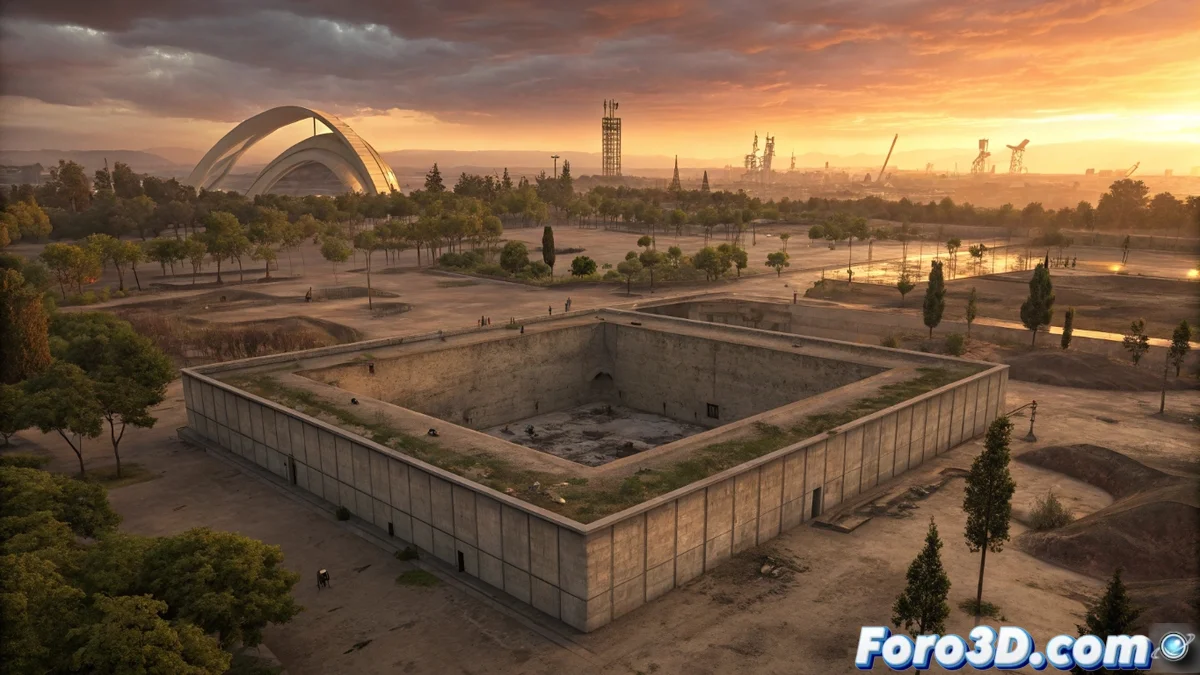
In the urban landscape of La Isla de la Cartuja, an architectural scar persists: an enormous concrete pit that tells the story of a truncated cultural dream. This space corresponds to the foundations of the great open-air Opera Theater designed for the 1992 Universal Exposition, a pharaonic work that never saw the light beyond its base. Conceived as the older brother of the Teatro de la Maestranza, this modern coliseum for ten thousand souls promised to turn Seville into an epicenter of lyric art under the stars, but it vanished amid cuts and rethinks. 🎭
A Vanguardist Dream Buried by Reality
The genesis of the project dates back to the creative frenzy of the late eighties. The architect Guillermo Vázquez Consuegra was the mastermind behind a bold and contemporary design, proposing a light and elegant structure that was to rise next to the Navigation Pavilion. The works advanced to a critical phase: the ground was excavated and a colossal foundation slab was poured, intended to support the weight of the great roof and the stands. However, after this initial investment, silence took over the work. Rumors point to a fatal combination of budget restrictions and the need to prioritize other pavilions with imminent expiration dates.
Key Details of the Failed Project:- Monumental Capacity: Designed to accommodate 10,000 spectators, far surpassing the usual cultural offerings.
- Strategic Location: Situated in a privileged spot in La Cartuja, near the river and intended to be a permanent legacy post-Expo.
- Definitive Halt: The works stopped after completing the costly foundation, leaving the project at a point of no return.
"It is the stage of the world's most silent opera, where the only performance is the perpetual concert of the wind and the murmur of what could have been."
The Pit: A Monument to Absence
Today, the tangible legacy of this ambition is not a theater, but its void. The great rectangular excavation, popularly known as "the pit", has become a surreal element in the city's fabric. This crater has had a postponed life, serving as occasional parking or an improvised stage for smaller-scale events. For most, it is an unexplained curiosity, but for those in the know, it represents a powerful symbol of lost opportunities and alternative futures that never materialized.
Uses and Meanings of the Abandoned Space:- Contemporary Archaeology: The pit acts as an archaeological piece of modern Seville, a find that speaks of planning and failure.
- Emotional Symbol: It embodies the melancholy for the "what might have been", resonating in the collective memory as an unfulfilled promise.
- Adaptable Landscape: Its empty nature has allowed it to host temporary uses, demonstrating a utility not foreseen in the original plans.
The Echo of an Auditorium That Never Resonated
Walking through the area today and coming across this sunken lot is taking a trip through time. It is not a simple unused plot; it is the frozen footprint of a moment of euphoria and confidence in the future. The ghost Opera Theater of Expo 92 stands, in its absence, as one of the most fascinating and tragic stories of Seville's urban transformation. A permanent reminder that, sometimes, the most ambitious projects leave as inheritance not stones and glass, but questions, silences, and the space to imagine what could have been. The next time you see it, you'll know you're looking at the stalls of an unfinished dream. 🏛️