Blade Geometry Tracks a Listeria Outbreak
When a listeriosis outbreak affects batches of processed food, forensic investigation takes a technological turn. Instead of analyzing only the product, experts examine the machines that cut it. Each blade of an industrial knife accumulates a pattern of micro-striations and wear that is unique, a three-dimensional signature that is transferred to the food. This microscopic footprint works like an uncopyable barcode 🔍.
Digitalizing the Unique Footprint of Each Tool
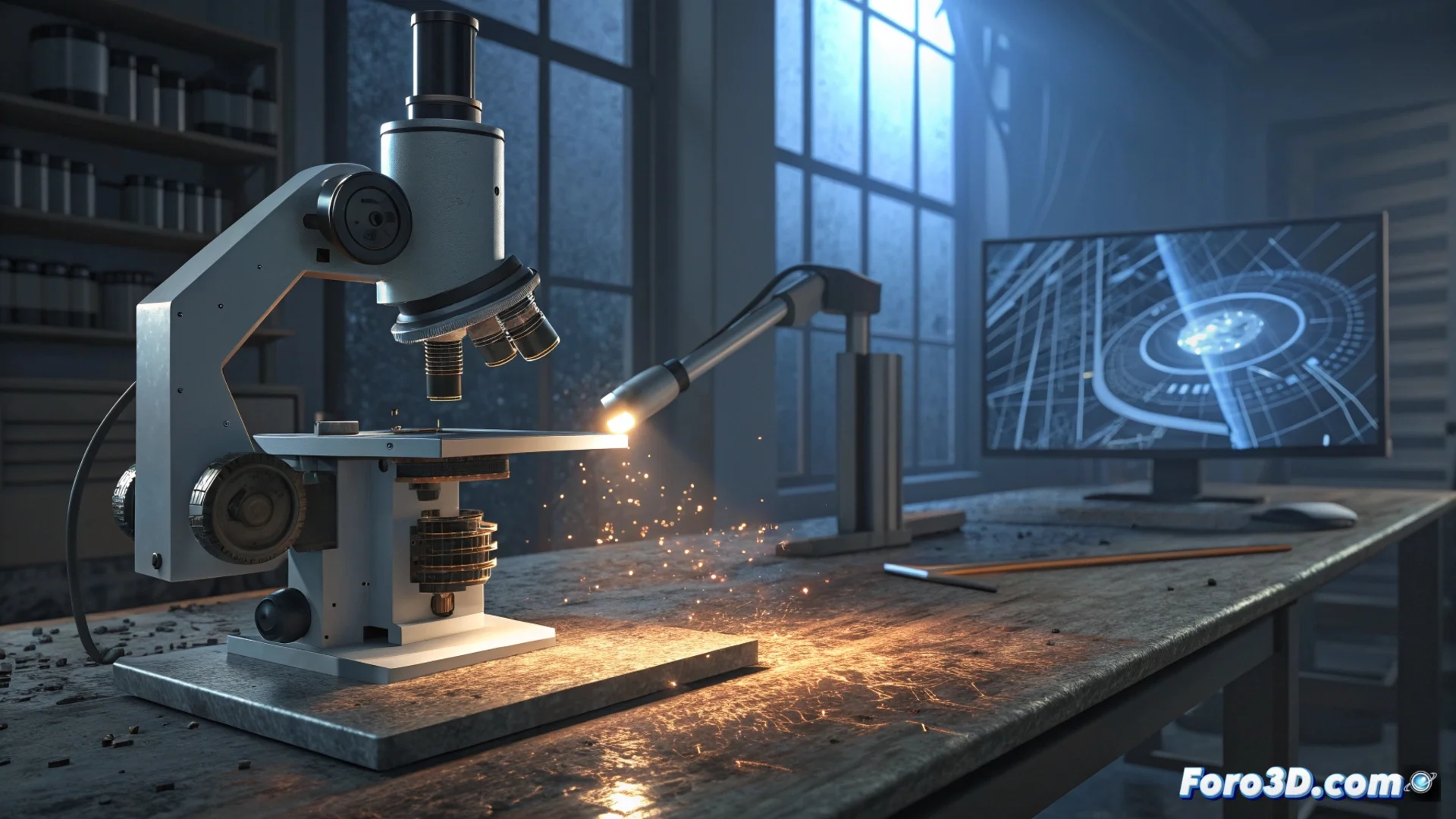
The process begins by scanning blades from different plants with a high-resolution 3D microscope, such as the Keyence VR-6000 model. This equipment captures an extremely precise point cloud of the metal surface, recording every nick, scratch, and variation in topography. Then, PolyWorks Inspector software processes this data to generate a reference digital model of each tool. This way, the exact geometry that leaves its mark on foods is digitalized.
Key Steps in Digitalization:- Scan the blade surface to obtain a detailed 3D point cloud.
- Process the data with specialized software to create a master digital model.
- Archive each model in a digital library for later comparison.
The next time you slice a deli meat, think that your knife leaves more trace than your fingerprints.
Comparing Patterns to Isolate the Source
In parallel, contaminated food samples are scanned to extract the 3D footprint imprinted by the blade. In an environment like MATLAB, a specialized algorithm compares this pattern with the library of blade models already created. The system searches and measures the match between the striations, allowing identification of which specific machine processed the problematic batch. This method enables tracking the outbreak to a specific production line, thus isolating the source of contamination 🎯.
Phases of Comparative Analysis:- Extract the 3D topographic footprint left on the contaminated food.
- Run an algorithm that compares this footprint with the blade models.
- Quantify pattern matching to identify an exact match.
A New Frontier in Food Safety
This technique transforms a common production tool into a forensic traceability device. By leveraging the natural and irreproducible wear of blades, a robust and reliable tracking system is created. It not only serves to contain outbreaks but also sets a precedent for using 3D geometry and digital analysis to ensure the safety of what we consume. The precision of this method demonstrates how technology can turn microscopic details into irrefutable evidence ✅.