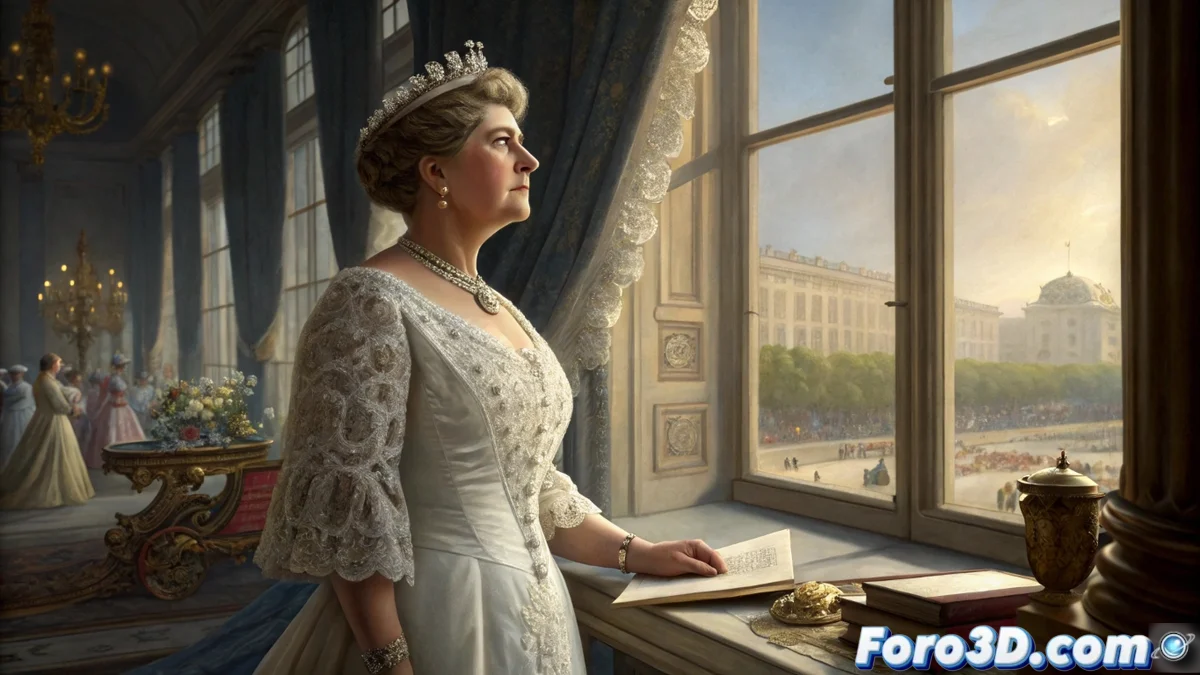
The Gallery of the Royal Collections inaugurates an exhibition dedicated to Victoria Eugenia
A historic milestone is taking place in Madrid with the opening of a pioneering exhibition at the Gallery of the Royal Collections, entirely dedicated to the figure of Queen Victoria Eugenia of Battenberg. Organized by Patrimonio Nacional, this exhibition seeks to rescue from oblivion and analyze in depth the legacy of a monarch who established herself as a fundamental pillar for the modernization of the Spanish royal institution in the early 20th century. 🏛️
A queen as an agent of change in a turbulent century
The central narrative of the exhibition is built around the idea of Victoria Eugenia as a renewing force. Through a meticulous selection of pieces—from paintings and high fashion dresses to jewels, personal objects, and historical documents—the tour visualizes her transformative impact on court life. Her arrival in Spain in 1906 was not only a marriage alliance but the infusion of new airs into palace traditions, seeking to project an image of the Crown that was more accessible and connected to society in an era of great political turbulence. 👑
The pillars of her modernity:- Protocolary renewal: She introduced changes in court customs and etiquette, bringing them closer to European standards.
- Public projection: She promoted a more visible and approachable image of the royal family to the public.
- Patronage and style: Her elegance and taste influenced the fashion and decorative arts of the era.
"Victoria Eugenia imprinted a profound social and renewing sense on the role of queen consort, a legacy that transcended mere representation." - Patrimonio Nacional.
The humanitarian heart behind the crown
Beyond the elegance that characterized her, the exhibition devotes special attention to the humanitarian commitment that defined her reign. The queen channeled her influence and visibility toward urgent social causes, highlighting her tireless fight against tuberculosis, a devastating disease at the time. Her activism, unconventional for a consort of her time, redefines her as a woman with agency and her own project, allied with King Alfonso XIII but with a distinctive identity. 🫀
Areas of her social work:- Fight against tuberculosis: She promoted the creation of dispensaries, sanatoriums, and prevention campaigns.
- Assistance to children: She showed constant concern for the well-being and health of children, especially the most vulnerable.
- Help for the disadvantaged: She supported numerous charitable institutions and visited hospitals and shelters.
A belated recognition of a silenced legacy
This exhibition acts as a necessary historical correction. The figure of Victoria Eugenia was often overshadowed by the political drama of the royal exile following the proclamation of the Second Republic. The exhibition not only vindicates her key role but invites contemplation of the human and modern dimension of her trajectory. It is a tribute that, paradoxically, arrives when no direct witnesses from that era remain to see how her effort to modernize the monarchy finally finds its frame and place in history. 📜